How Temper Designation Affects Formability in Aluminum Sheet
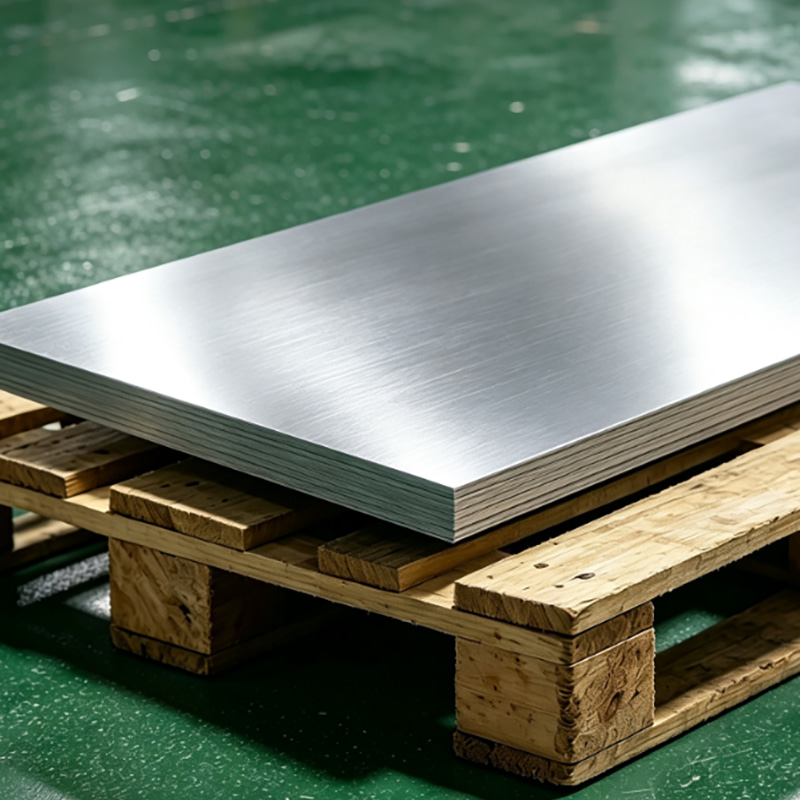
The same alloy can behave very differently on a press line depending on its temper. An H14 sheet has been strain-hardened and offers higher strength but noticeably less ductility than an O-temper (fully annealed) sheet of the same alloy, which means the same bend radius that works cleanly on annealed material can crack the surface of a strain-hardened sheet. For deep-drawn or heavily formed parts, specifying O or H1x tempers with lower hardness values reduces the risk of edge cracking, while parts that only need mild bending or remain flat in service can use higher-strength H temper without a forming penalty. Mixing temper and forming operation without checking a bend-radius-to-thickness ratio chart is one of the more common causes of scrapped sheet batches on the shop floor.
Reading the Minimum Bend Radius Requirement
Minimum bend radius is typically expressed as a multiple of sheet thickness, and that multiple grows as temper hardness increases. A 1mm 3003-O sheet may tolerate a bend radius close to its own thickness, while the same alloy in H18 temper may require a radius several times the thickness to avoid cracking along the bend line. Checking this ratio against the actual part geometry before ordering material prevents a batch of sheet from arriving that is technically correct on the mill certificate but unusable for the intended forming operation.
Coil Set and Flatness: Why Rolled Coil Doesn't Sit Flat Immediately
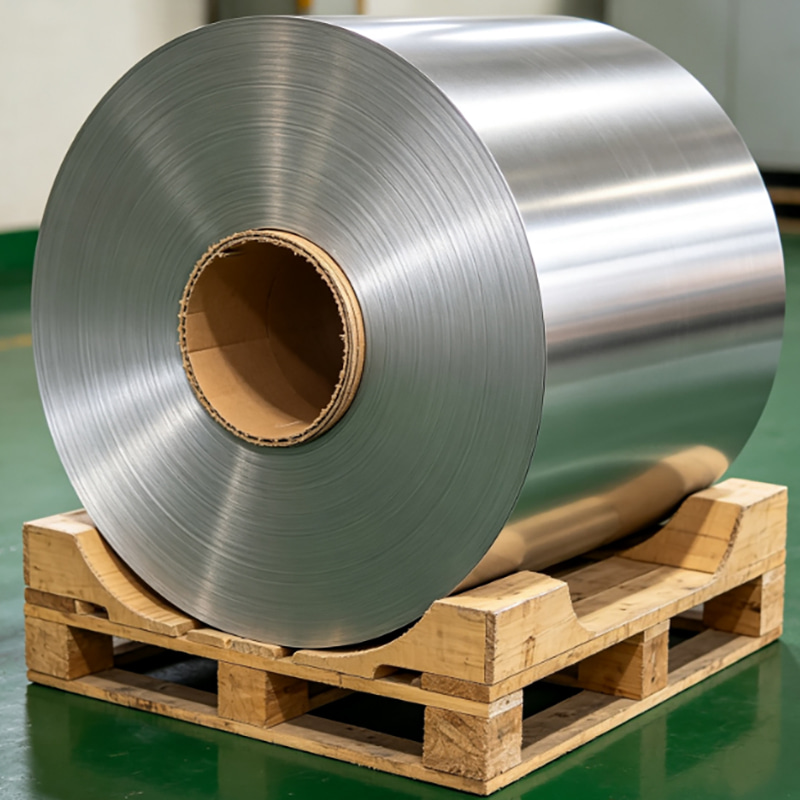
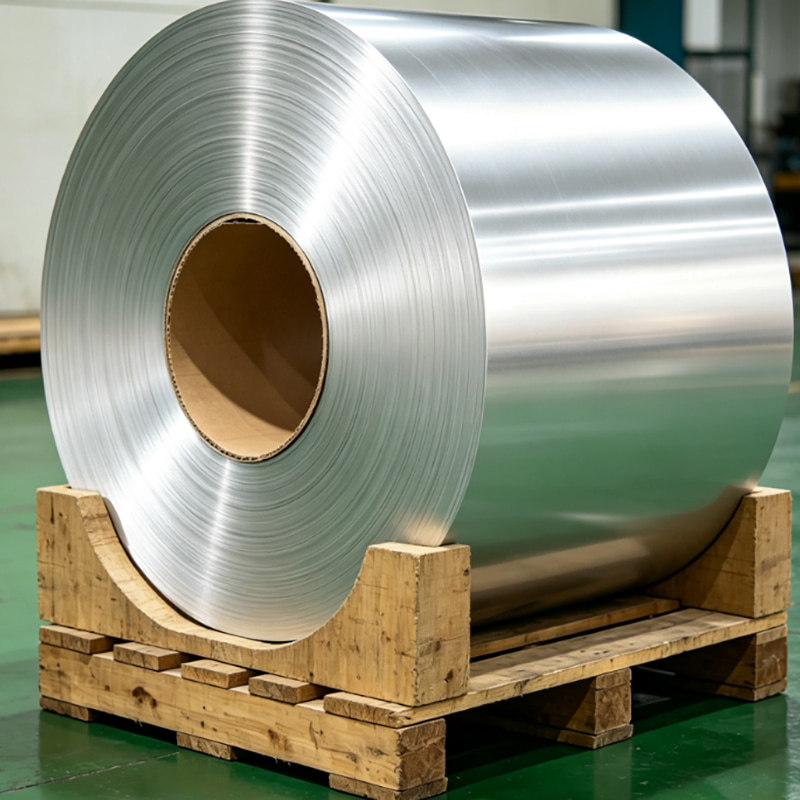
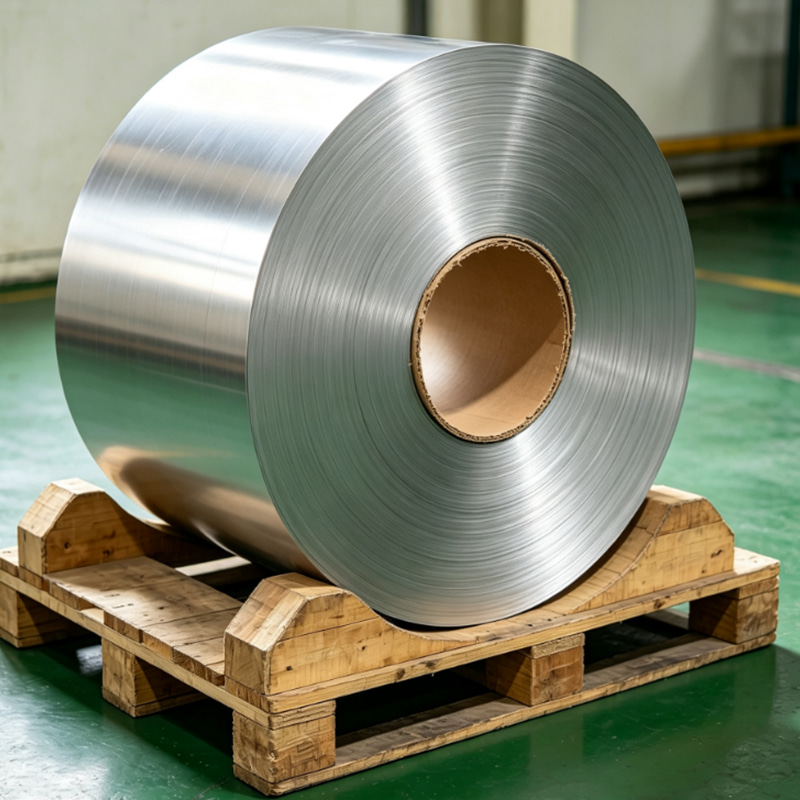
Aluminum coil retains a slight curvature, known as coil set, from having been wound tightly around a mandrel during rolling and coiling. This curvature is more pronounced in thinner gauges and in coils that have sat in storage for extended periods, since the material's internal stresses relax into the coiled shape over time. Feeding coil directly into a stamping or roll-forming line without first passing it through a leveler can cause parts to spring back out of tolerance after cutting, particularly on long or flat components where even a small residual curvature becomes visible across the full length of the part.
- Tension leveling is generally more effective than roller leveling for removing coil set in thin gauge material, since it stretches the sheet slightly beyond its yield point to relieve internal stress uniformly.
- Coils stored on their side rather than standing upright can develop an oval-shaped deformation over time, which then translates into inconsistent flatness once the coil is uncoiled and slit.
- Edge wave and center buckle are two distinct flatness defects that require different leveling adjustments; treating them as the same problem on the production line often makes one defect worse while correcting the other.
Alloy Selection Differences Between Common Sheet Grades
Sheet buyers sourcing for different end uses often default to a familiar alloy without checking whether a better-suited grade exists for the specific application. The comparison below outlines where common sheet alloys diverge in practical performance.
| Alloy |
Typical Application |
Formability |
Weldability |
| 1100 |
Chemical equipment, reflectors |
Excellent |
Excellent |
| 3003 |
Cookware, HVAC fins, general fabrication |
Very good |
Good |
| 5052 |
Marine fittings, fuel tanks, enclosures |
Good |
Very good |
| 5083 |
Shipbuilding, pressure vessels, structural panels |
Moderate |
Excellent |
| 6061 |
Structural panels, machined sheet parts |
Moderate |
Fair, may need post-weld heat treatment |
Thickness Tolerance Bands and Why They Widen at the Edges
Rolled sheet and coil rarely carry a single uniform thickness across the entire width; the rolling process naturally produces slightly thinner material at the center and marginally thicker edges due to roll deflection under load, a phenomenon known as crown. Mills compensate for this with roll camber and bending systems, but a small crown variation typically remains and is reflected in the thickness tolerance band published for a given width and gauge. Buyers who need unusually tight flatness or thickness consistency across the full sheet width, such as for precision optical or 3C enclosure applications, often need to request narrower tolerance sheet or specify measurement at multiple points across the width rather than accepting the standard published tolerance at center only.
Gauge Measurement Points on a Mill Certificate
A mill certificate listing a single thickness value can mask meaningful variation if that value was only measured at the coil center. Requesting edge, quarter-point, and center thickness readings on the certificate gives a clearer picture of whether a coil will meet a tight-tolerance application, particularly for slit strip that will be used at its full width in an assembly where thickness mismatch between pieces would be visible or functionally significant.
Slitting Accuracy and Edge Condition for Downstream Processing
When wide coil is slit into narrower strips, the condition of the cut edge affects more than appearance. A poorly maintained slitter blade produces a burr along the strip edge, which can catch on rollers during subsequent forming operations or create stress risers that initiate cracking during tight bends near the edge. Slit width tolerance also compounds across multiple strips cut from a single master coil; a slitting line that drifts slightly out of tolerance partway through a run can produce strips that are within spec individually but inconsistent with each other, which becomes a problem when strips from different sections of the same coil are used interchangeably in an automated line expecting uniform width.
- Requesting edge deburring or a rounded edge condition on slit strip reduces handling injuries and prevents edge damage during coiling and uncoiling on automated lines.
- Camber, the sideways bow along the length of a slit strip, becomes more pronounced as strip width narrows relative to coil thickness, and excessive camber can cause feeding problems on progressive die lines.
Moisture and Storage Considerations for Coil Inventory
Aluminum coil stored in humid environments or subjected to condensation from temperature swings between warehouse and transport can develop a white, powdery surface oxidation known as stain or water mark, which is a cosmetic and sometimes functional defect on sheet intended for visible or coated applications. This typically occurs when moisture becomes trapped between wraps of coil that has not been adequately interleaved or when a cold coil is moved into a warmer, more humid space and condensation forms directly on the metal surface before it acclimates to ambient temperature. Allowing incoming coil to sit sealed in its original packaging until it reaches ambient warehouse temperature, rather than unwrapping it immediately after a cold delivery, significantly reduces this risk.


 English
 Español
 عربى
عربى