

 English
 Español
 عربى

DIHONG
DIHONG
DIHONG
DIHONG
DIHONG
DIHONG
DIHONG
DIHONG
DIHONG
DIHONG
DIHONG
DIHONG
DIHONG
DIHONG
DIHONG
DIHONG
Content
- 1 Why Aluminum Became a Construction Staple
- 2 Common Aluminum Products in Construction
- 3 Choosing the Right Aluminum Alloy for Construction
- 4 Extruded Profiles: The Backbone of Modern Facades
- 5 Sheets and Coils for Roofing, Cladding, and More
- 6 Precision CNC Parts in Building Systems
- 7 Sustainability and Lifecycle Advantages
- 8 Practical Tips for Specifying Aluminum in Construction
Aluminum has quietly become one of the most trusted materials in modern construction. From the curtain walls of high-rise towers to the window frames of a family home, it shows up in places where strength, low weight, and long-term durability matter. Builders and engineers often choose aluminum not because it is the cheapest option, but because it solves problems that steel, wood, and concrete cannot solve as easily.
If you are planning a project, sourcing materials, or simply trying to understand why aluminum keeps appearing on construction sites, this guide walks through the main products, alloy choices, and practical considerations. It is written from the perspective of a team that has spent years producing aluminum sheets, extruded profiles, and precision parts for demanding industries.
Why Aluminum Became a Construction Staple
Aluminum offers an unusual combination of properties. It is roughly one-third the density of steel, yet it can be alloyed and heat-treated to reach impressive strength levels. That strength-to-weight ratio makes it easier to handle, transport, and install, which can reduce labor costs and structural loads. It also forms a natural oxide layer that resists corrosion, so it performs well in coastal areas, humid climates, and polluted urban environments.
Another reason is design freedom. Aluminum can be extruded into complex cross-sections, rolled into thin sheets, or machined into precise components. Architects and engineers use this flexibility to create sleek facades, efficient thermal breaks, and lightweight structural systems. At the end of a building's life, aluminum can be recycled repeatedly without losing its essential properties, which supports greener construction practices.
- Lightweight, which simplifies lifting and installation.
- Corrosion-resistant in many outdoor environments.
- Highly recyclable and often made with recycled content.
- Easy to form, cut, weld, and machine.
- Low maintenance compared with some traditional materials.
Common Aluminum Products in Construction
In construction, aluminum rarely arrives as a single generic item. It comes in several product families, each suited to different parts of a building. The most common are aluminum sheets and coils, custom extruded profiles, and CNC-machined components. Understanding how they differ helps when you specify materials or evaluate suppliers.
Aluminum Sheet and Coil
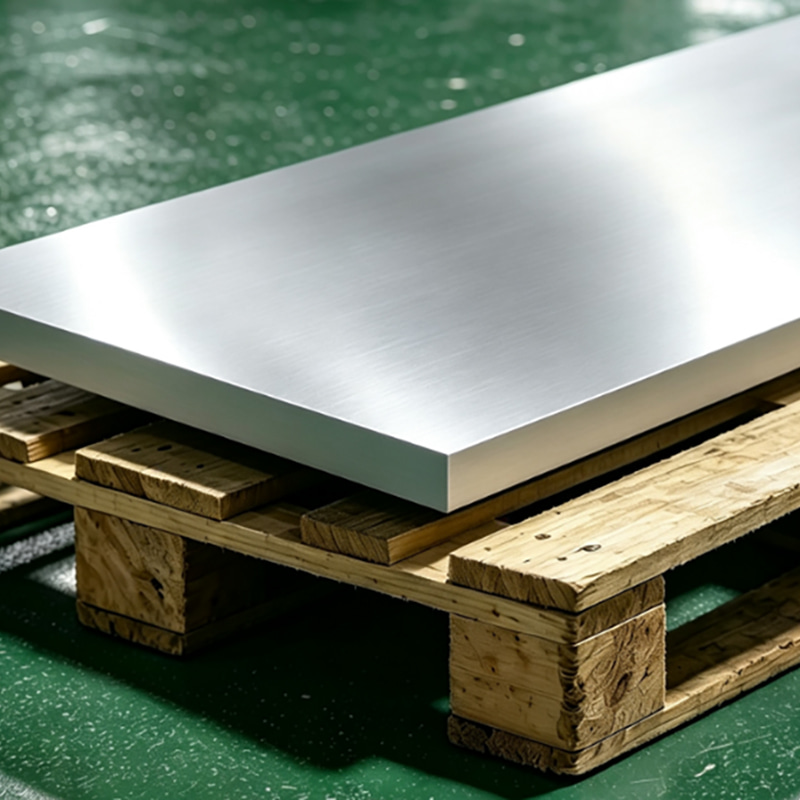
Sheets and coils are flat rolled products. They are used for roofing, wall cladding, ceilings, signage, ductwork, and decorative panels. Depending on the alloy, they can be painted, anodized, or left mill-finish. For exterior applications, alloys such as 3003, 5052, and 6061 are frequently chosen because they balance formability, corrosion resistance, and strength.
 Aluminum Sheet & Coil by Alloy SeriesExplore flat-rolled aluminum sheet and coil grouped by alloy series for roofing, cladding, fabrication, and industrial uses.View Product →
Custom Extruded Profiles
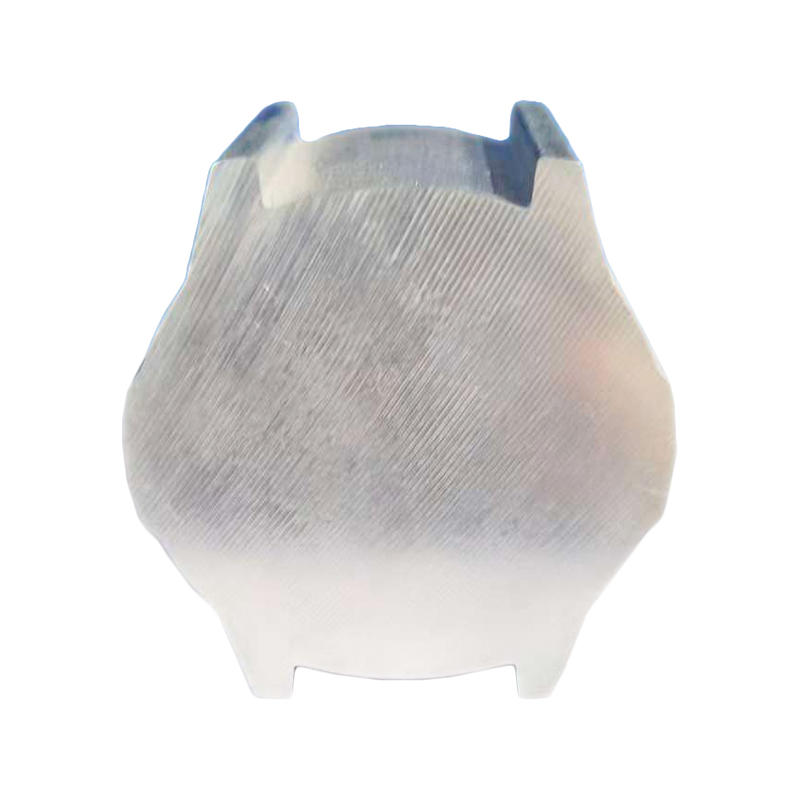
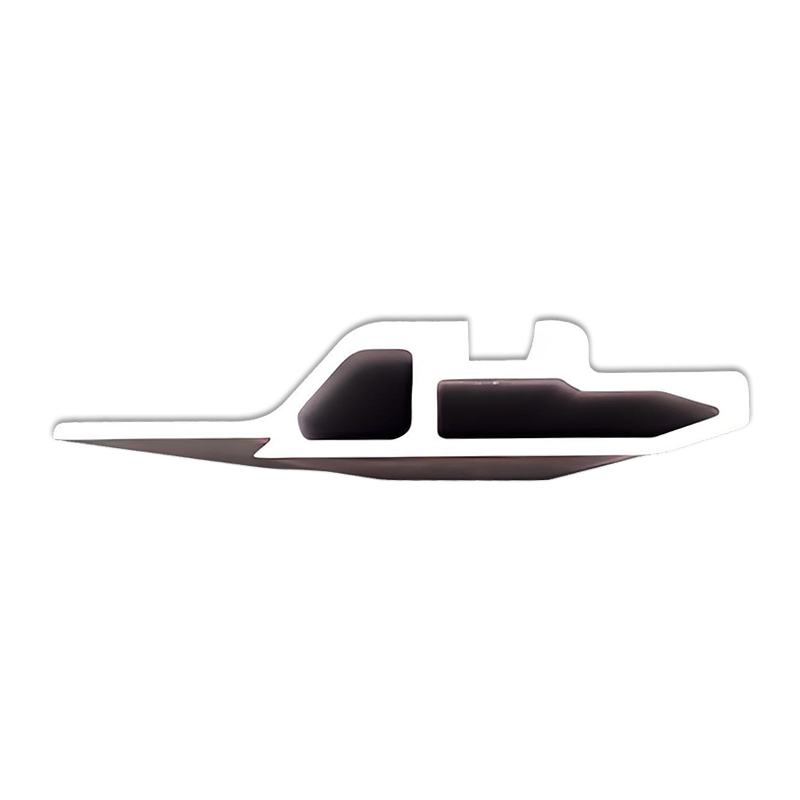
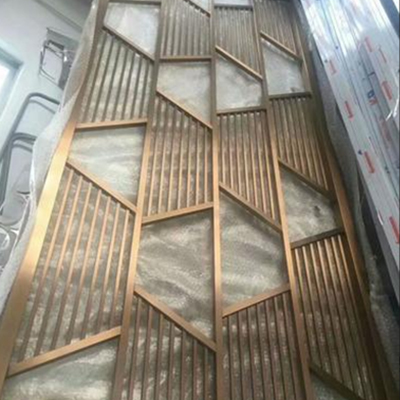
Extrusion pushes heated aluminum through a shaped die, creating long profiles with a constant cross-section. This process is ideal for window frames, curtain wall mullions, handrails, solar panel frames, and structural supports. Designers can integrate screw ports, thermal breaks, and snap-fit features directly into the profile, reducing the number of separate parts.
CNC Machined Components
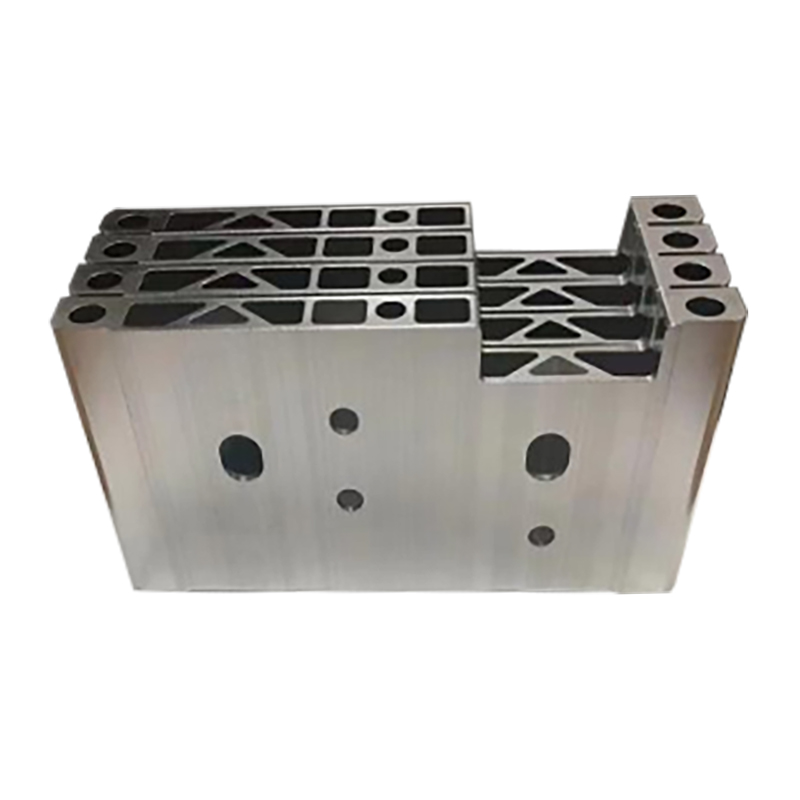
When a construction project needs brackets, connectors, anchors, or custom hardware with tight tolerances, CNC machining comes into play. Precision parts help ensure that facades, doors, and structural systems fit together correctly and perform reliably over time.
Choosing the Right Aluminum Alloy for Construction
Alloy selection affects strength, corrosion resistance, formability, and cost. The table below summarizes the most common aluminum series and where they tend to appear in construction. It is not a complete engineering guide, but it gives a useful starting point for conversations with suppliers and fabricators.
| Series | Main Alloying Element | Typical Construction Uses |
|---|---|---|
| 1xxx | Pure aluminum | Signage, ducting, decorative panels |
| 3xxx | Manganese | Roofing, cladding, general sheet work |
| 5xxx | Magnesium | Marine-grade facades, coastal roofing, panels |
| 6xxx | Magnesium and silicon | Extruded frames, windows, curtain walls, structural profiles |
| 7xxx | Zinc | High-strength structural components, aerospace-style brackets |
For most architectural extrusions, 6061 and 6063 are familiar names. They offer good extrudability, moderate strength, and excellent corrosion resistance. For flat products exposed to weather, 5052 is a common choice because it resists salt and moisture well. If higher strength is needed, 7075 may appear in specialized structural parts, though it is less common in general building products.
Extruded Profiles: The Backbone of Modern Facades
Walk past a modern office building and you are probably looking at extruded aluminum, even if you do not realize it. Curtain wall systems, window mullions, spandrel frames, louvers, and sunshades are often built around custom profiles. The extrusion process allows each profile to be tailored to the project, so drainage channels, gaskets, and structural webs can all be part of one continuous shape.
This is where working with an experienced extrusion partner pays off. A good supplier can help refine wall thickness, alloy temper, and surface finish so that the profile performs well without unnecessary weight or cost. They can also advise on fabrication steps such as cutting, punching, bending, and anodizing. At our own facilities, we produce custom aluminum extrusion profiles for industries that demand consistency, including construction-related applications.
 Custom Aluminum Extrusion Profiles by ApplicationExplore custom profiles for electronics, wearables, energy storage, and aerospace, with alloys including 6063, 6061, and magnesium grades.View Product →
Sheets and Coils for Roofing, Cladding, and More
Aluminum sheet and coil products are the workhorses of building envelopes. They are lightweight, easy to cut and form, and available in a wide range of thicknesses and finishes. Standing seam roofing, cassette cladding, soffits, and rainscreen panels all rely on rolled aluminum. Because the material can be painted or anodized, it can match architectural color schemes while still providing long service life.
For coastal projects, 5052 or 5083 sheet is often specified because it handles salt spray better than many alternatives. For inland facades, 3003 and 3105 are common and cost-effective. When specifying sheets, consider not only the alloy but also the temper, surface treatment, and flatness. These details influence how the final installation looks and performs.
Precision CNC Parts in Building Systems
Not every aluminum component in a building is large or visible. Small precision parts often hold critical systems together. CNC-machined aluminum brackets, inserts, spacers, and connectors can be found in window hardware, curtain wall anchors, railing systems, and automated building equipment. Tolerances matter here: a few tenths of a millimeter can affect fit, weather sealing, and structural performance.
CNC machining also supports customization. If a project needs a non-standard connector or a lightweight replacement for a heavier part, machining from aluminum can be an efficient route. Prototyping and low-volume production are possible, and the same process can scale to larger batches when the design is validated.
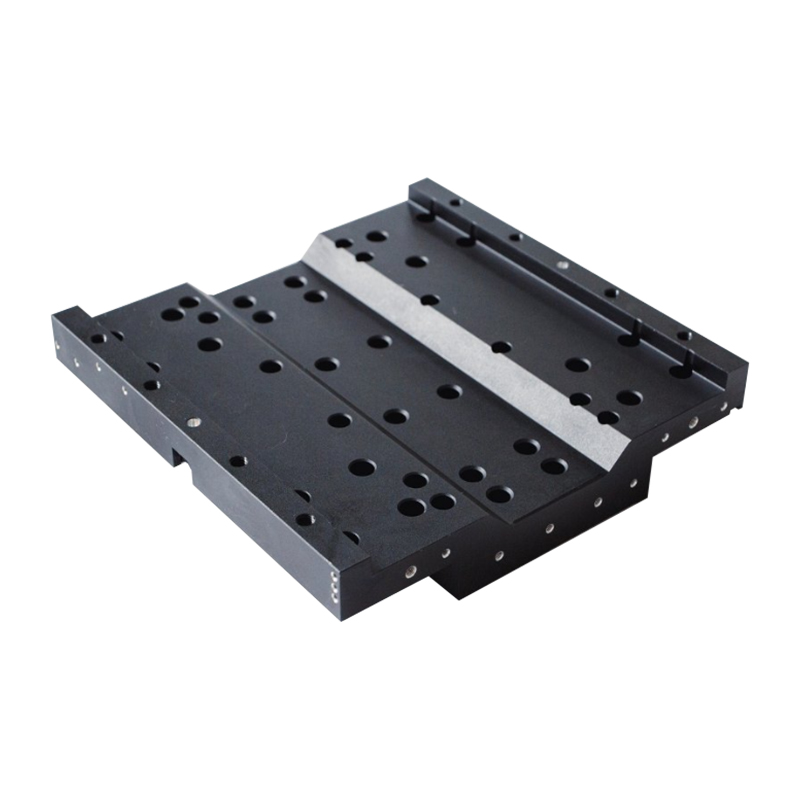 Custom Precision CNC Machined Aluminum and Magnesium PartsView precision milling, turning, and boring for prototype or production components serving automation, semiconductor, solar, and aerospace applications.View Product →
Sustainability and Lifecycle Advantages
Construction is under growing pressure to reduce carbon emissions and waste. Aluminum fits into that conversation because it is highly recyclable and retains its value even after decades of use. Recycled aluminum requires far less energy to produce than primary aluminum, and many building products now include significant recycled content. This helps projects pursue green building certifications and meet client sustainability goals.
The industry is also investing in cleaner production and high-precision manufacturing. For a closer look at how these trends are shaping the aluminum supply chain, you can read our article on green and low-carbon initiatives in aluminum. It covers why lower emissions and higher technical standards are becoming normal expectations in construction and industrial markets.
Practical Tips for Specifying Aluminum in Construction
Whether you are an architect, contractor, or procurement specialist, a few practical steps can make aluminum specification smoother.
- Define the exposure environment first. Coastal, industrial, and inland conditions call for different alloys and coatings.
- Match the alloy to the process. Extrusions favor 6xxx series, while rolled sheets often use 3xxx or 5xxx series.
- Consider surface treatment early. Anodizing, powder coating, and painting each affect lead time, cost, and appearance.
- Involve your fabricator or supplier in the design stage. Small profile changes can improve strength and reduce material use.
- Ask about production control and certifications. Consistent quality matters more than a low initial price.
It also helps to understand how the material is produced. Our production processing overview explains how aluminum sheet, extrusion, and machining can be integrated under one quality system. That kind of vertical coordination often shortens lead times and reduces the risk of mismatched components.
Aluminum in construction is not a passing trend. It is a practical response to the need for lighter, more durable, and more sustainable building systems. From the largest curtain wall to the smallest bracket, the material earns its place by performing reliably and adapting to new design challenges.
At DIHONG, we have been working with aluminum since 2014, growing from a material distributor into a manufacturer that handles aluminum sheets, custom extrusions, and CNC precision parts. Our teams support customers in more than 35 countries, and we are always glad to share what we have learned about making aluminum work better in real projects. If you are exploring a construction application, we would be happy to talk through the options with you.