Products & Equipment
We are deeply committed to the entire aluminum processing industry chain, specializing in
high-quality custom aluminum products and precision manufacturing.
CNC Parts for Aerospace & Defense
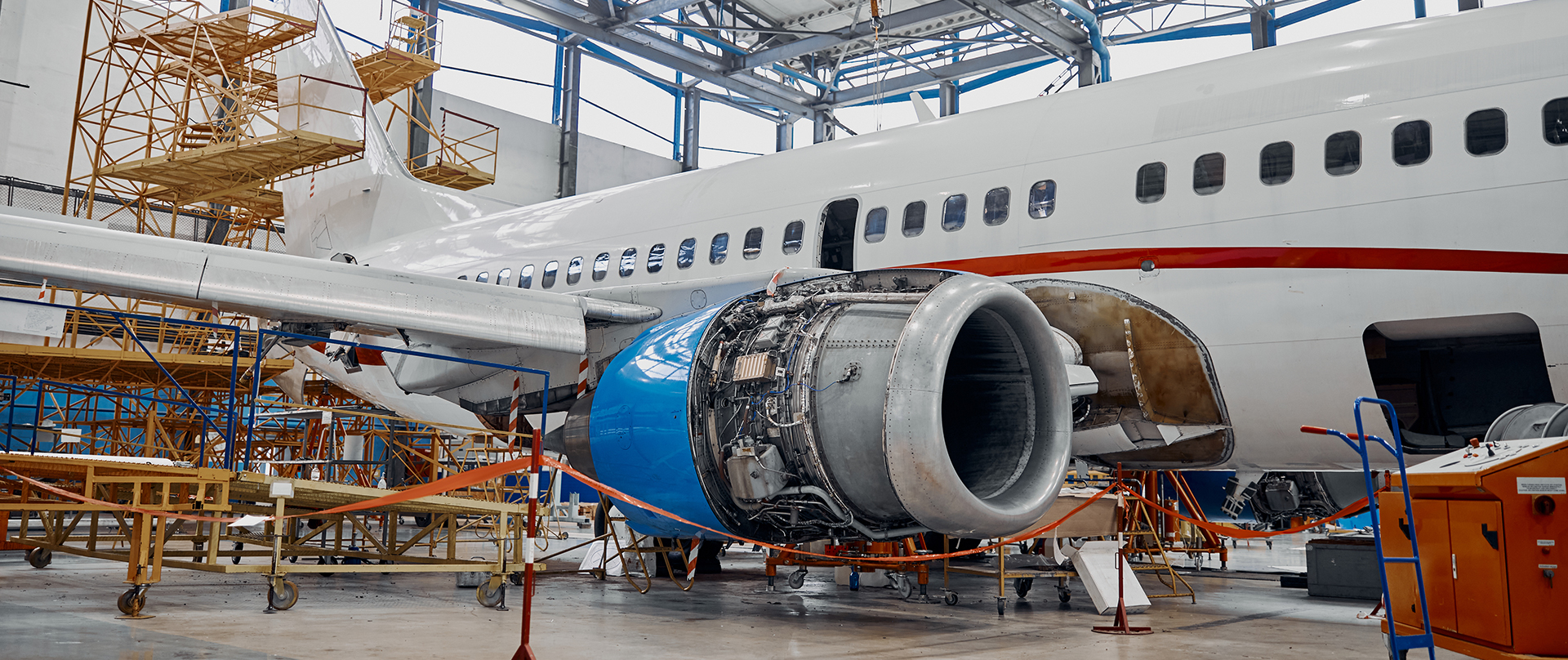
Aerospace and defense precision machined components occupy the highest tier of manufacturing specification—where dimensional accuracy, material traceability, process control documentation, and first-article qualification are mandatory elements of every order, not optional additions. The performance margin for error is zero, and the supply chain compliance requirements reflect that reality. Our aerospace machined component capability covers two primary categories: decorative and finish-critical components for cabin interiors and equipment housings, and functional auxiliary components including connection brackets, locating pins, spacer sleeves, protective covers, guide rails, and installation fixtures. Decorative aerospace components must simultaneously meet cosmetic specifications—anodize uniformity, color consistency, surface texture definition—and structural requirements for the mounting interfaces that integrate them into the aircraft or spacecraft interior. Functional auxiliary components span connection and locating hardware (brackets, pins, connection plates), protective components (covers, dust caps, buffer shims), auxiliary transmission elements (guide rails, sliders, auxiliary shafts), and installation and fastening hardware. These components are characterized by their combination of light weight, load-bearing reliability, and dimensional stability under the vibration and thermal environments of aerospace service. Primary alloys include 6061-T6 for standard auxiliary components and 7075-T651 for higher-load structural applications. All machining is conducted to aerospace drawing callouts and AS9100-aligned process controls. Full first-article inspection (FAI) reports, material certifications, and certificate of conformance documentation are provided. Engineering collaboration is available throughout the design-to-qualification cycle.
CNC Parts for Aerospace & Defense
CNC Parts for Solar / PV Equipment
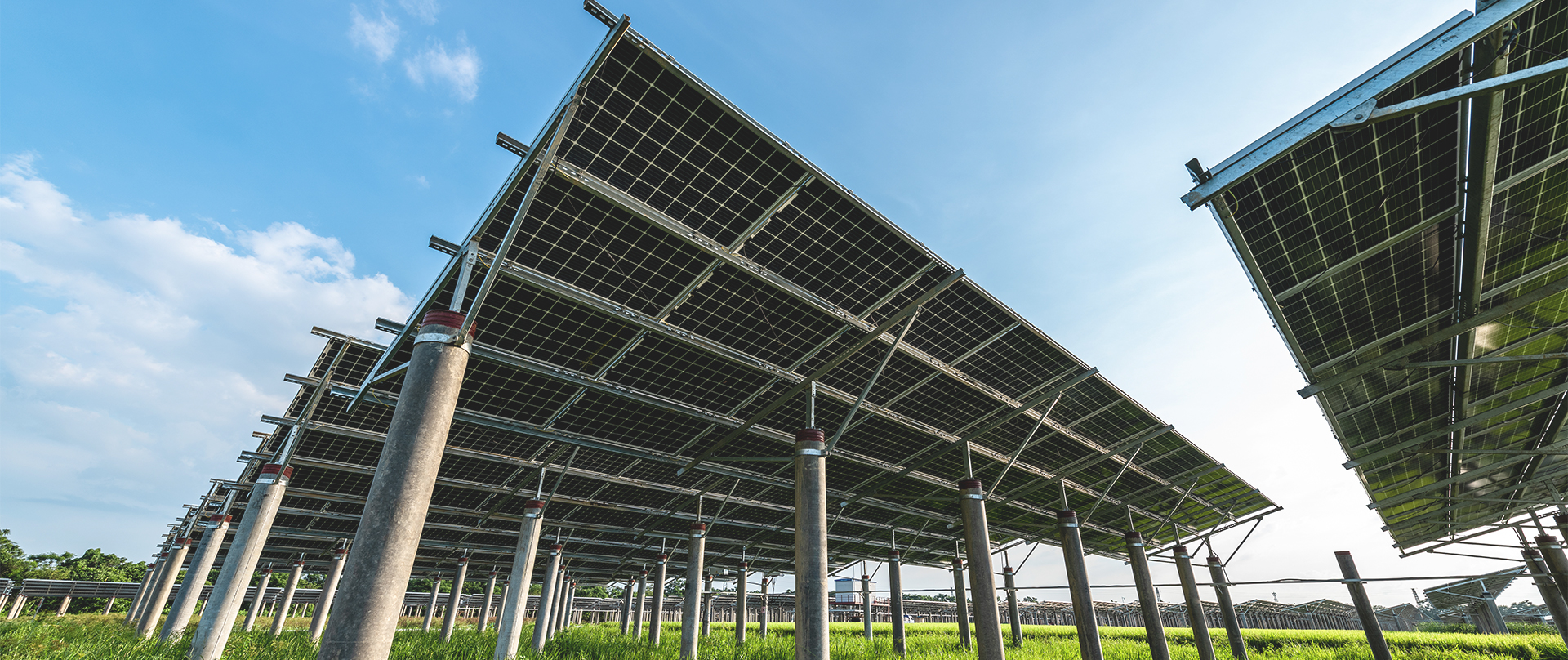
Solar cell and photovoltaic module manufacturing relies on precision equipment to achieve the dimensional and process consistency that drives cell efficiency and production yield. Screen printing stages, rotary indexing tables, and transfer arms are among the critical motion components where dimensional accuracy, high-speed stability, and long-service-interval reliability translate directly into production line performance. Our PV equipment machined components center on printing stage rotary tables and cell transfer components. Rotary tables for solar cell printing serve as high-precision rotating platforms that work in concert with CCD vision systems to correct for angular cell misalignment before each print cycle. Angular positioning accuracy and repeatability are critical—error in this axis directly affects grid line registration and, consequently, cell conversion efficiency. Vacuum chuck uniformity across the cell contact surface prevents thin silicon wafer deflection and edge chipping during the high-speed print cycle. Transfer components are engineered for high-speed cell handling between process stations, with arm and gripper geometries optimized for secure grip on ultra-thin silicon wafers (180 μm and below) without inducing micro-cracks or surface damage. Motion dynamics are matched to the throughput targets of modern solar cell production lines, typically 3,000–6,000 wafers per hour per lane. Aluminum alloys are selected for their combination of light weight (reducing motor load and improving dynamic response), thermal stability, and machinability. Hard anodizing is standard for contact surfaces and vacuum sealing interfaces. Full dimensional certification and process documentation are provided.
CNC Parts for Solar / PV Equipment
CNC Parts for Semiconductor Equipment
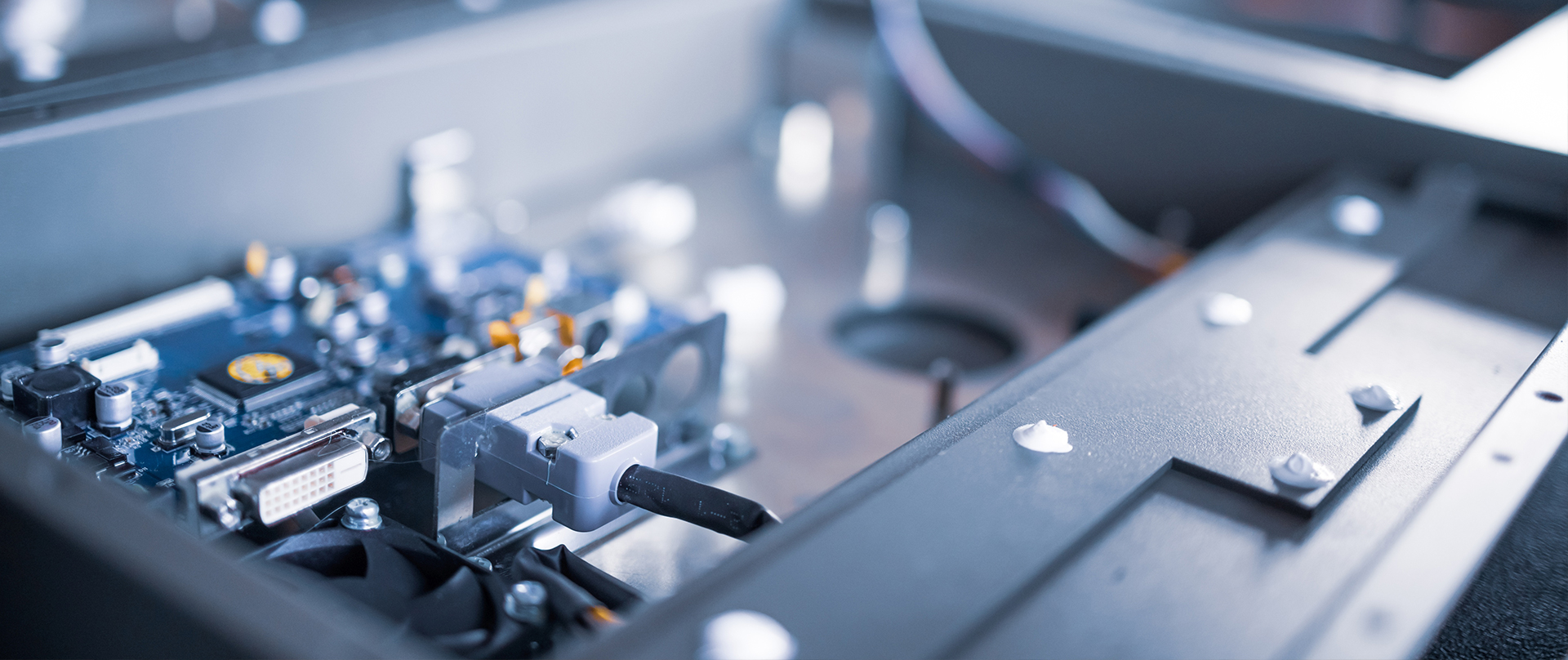
Semiconductor equipment operates in some of the most demanding manufacturing environments on earth—clean room conditions, ultra-high vacuum or precisely controlled atmospheric pressures, aggressive chemical exposure, and thermal cycling that would destroy conventional engineering components. Machined parts for semiconductor equipment must meet dimensional tolerances that are often measured in microns, surface finish requirements specified in nanometers, and material cleanliness standards that minimize contamination risk for the wafers and devices being processed. Our semiconductor equipment machined components are primarily focused on wafer dicing stage platforms and supporting structures. Wafer dicing stages require extreme flatness across the full vacuum chuck surface (typically better than 2 μm total flatness across the working area), bore and channel tolerances compatible with vacuum sealing systems, and surface finishes that support uniform wafer contact without contamination risk. Repeat positioning accuracy of ±1 μm or better is the standard expectation for X/Y motion axes in these systems. Material selection is carefully matched to the chemical environment. Aluminum alloys are standard for lower-chemical-exposure components; hard anodized 6061 or 6082 provides surface hardness and chemical resistance for moderate-exposure applications. Vacuum compatibility requires attention to outgassing characteristics, surface texture specification, and the elimination of blind holes or trapped-volume features that would affect chamber pump-down performance. We support full documentation packages for semiconductor equipment qualification, including dimensional inspection reports, material certifications, surface finish records, and cleanliness verification. Machining is conducted in controlled-environment conditions to meet the particulate requirements of the semiconductor manufacturing sector.
CNC Parts for Semiconductor Equipment
CNC Parts for Industrial Automation
Industrial automation systems demand machined components that deliver consistent dimensional accuracy, long service life under continuous cycling loads, and reliable compatibility with linear motion, servo drive, and vision system interfaces. Module bases, linear slides, and positioning stages are among the core structural components in this category—products where dimensional integrity directly determines system repeatability and throughput. Our industrial automation machined components are produced in aluminum alloys selected for the specific mechanical and thermal demands of each application, primarily 6061-T6 for standard structural components and 7075-T651 for higher-load or weight-critical assemblies. Key precision requirements typically include flatness tolerances at the micron level for slide mounting surfaces, bore and pin tolerances to H7/h6 or tighter for shaft and bearing fits, and thread and fastener position accuracy to support repeatable assembly. Primary application sectors include 3C electronics manufacturing (high-speed pick-and-place, AOI inspection stages, component placement systems), lithium battery and photovoltaic production lines (long-stroke stages, multi-axis positioning systems, high-load transport bases), and automotive component manufacturing (high-rigidity multi-axis machining fixtures and assembly stations). In-process dimensional verification is conducted at critical stages using CMM and surface measurement systems, with full inspection reports available. We support design review for machinability, tolerance stack analysis, and material selection for new automation component programs. Both prototype quantities and series production volumes are accommodated with consistent process controls.
CNC Parts for Industrial Automation
Magnesium Alloy Profiles
Magnesium alloy extrusion profiles offer the most favorable strength-to-weight ratio of any structural metal, with a density approximately 35% lower than aluminum and 75% lower than steel. For applications where minimum weight is the overriding design requirement—and where the limitations of magnesium are understood and managed—these profiles deliver structural performance that no other metallic extrusion material can match. Our magnesium extrusion solutions are based primarily on AZ31 and ZA61A alloys, with select products incorporating rare earth (RE) element additions to enhance elevated-temperature strength, creep resistance, and corrosion performance. AZ31 is the most widely used wrought magnesium alloy, offering a practical balance of formability, weldability, and mechanical properties. ZA61A provides higher strength and is preferred where structural loads are more demanding. Key application-driven properties include excellent vibration and acoustic damping—approximately five times greater than aluminum—making magnesium profiles effective in reducing noise and vibration transmission in sensitive assemblies. Electromagnetic shielding effectiveness is also superior to aluminum in many frequency ranges, relevant for electronic enclosure applications. These characteristics have made magnesium alloy profiles a growing choice in 3C electronics, lightweight transportation structures, and medical device frameworks. Corrosion protection requires careful attention; appropriate surface treatment (micro-arc oxidation, chemical conversion coating, or painting) is specified based on the service environment. We provide full engineering support for surface treatment selection, alloy qualification, and dimensional tolerance definition for magnesium extrusion programs.
Magnesium Alloy Profiles
Aluminum Extrusion for Aerospace
Aerospace aluminum extrusion profiles operate at the intersection of maximum structural efficiency and rigorous qualification requirements. Every gram of material must contribute to structural performance, and every dimension must remain within specification across the full temperature and load envelope of the application. Our aerospace extrusion capability is built around high-strength alloys and the process controls necessary to meet the documentation and traceability standards of the aerospace supply chain. Primary alloys include 7003, 7108, and 7021, achieving tensile strengths exceeding 400 MPa—sufficient for transmission system components, aerospace pallets and containers, structural brackets, and load-bearing enclosures where weight-to-strength optimization is the primary engineering driver. The naturally aged T5 temper, commonly specified for 7XXX aerospace extrusions, provides a favorable combination of strength, toughness, and stress corrosion resistance compared to peak-aged T6 temper. Material qualification, chemical composition verification, and mechanical property testing are conducted in accordance with applicable aerospace standards, with full certificate of conformance (CoC) and material test reports (MTR) provided with each shipment. Profile dimensional inspection reports are available on request. Die design for aerospace extrusions accounts for the tighter dimensional tolerances, higher alloy flow resistance, and surface integrity requirements of this sector. We support first-article inspection (FAI) processes and can accommodate PPAP-equivalent documentation requirements for production approval. Engineering collaboration is available throughout the design and qualification phase.
Aluminum Extrusion for Aerospace
Extensive Applications, Empowering Industries
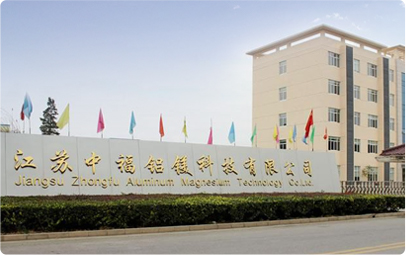
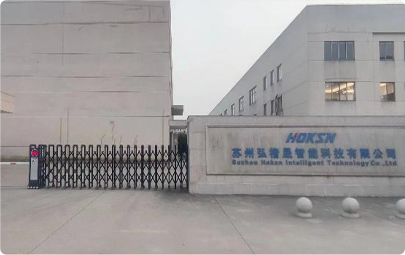
The company has established production bases in Huishan, Wuxi, and Wujiang, Suzhou, primarily serving
industries such as 3C, photovoltaics, new energy vehicles, healthcare, and aerospace.
Suzhou Dihong Aluminum Co., Ltd. Suzhou Dihong Aluminum Co., Ltd. Suzhou Dihong Aluminum Co., Ltd. Suzhou Dihong Aluminum Co., Ltd. Suzhou Dihong Aluminum Co., Ltd.
3C Electronics
New Energy Vehicles
Photovoltaic Industry
Medical Equipment
Aerospace
Suzhou Dihong Aluminum Co., Ltd.

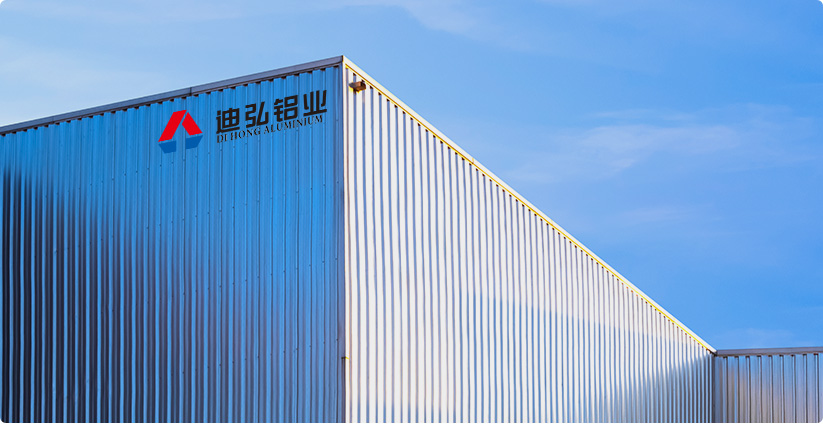
Founded in 2014, Suzhou Dihong Aluminum Co., Ltd. has evolved from a single-product aluminum distributor into a modern technology enterprise integrating aluminum distribution, aluminum extrusion, CNC machining, and precision stamping. The company has established production bases in Huishan, Wuxi, and Wujiang, Suzhou, primarily serving industries such as 3C, photovoltaics, new energy vehicles, medical equipment, and aerospace.

View More Suzhou Dihong Aluminum Co., Ltd.
Suzhou Dihong Aluminum Co., Ltd.
Aluminum Supply
Suzhou Dihong Aluminum Co., Ltd.
Aluminum Extrusion
Suzhou Dihong Aluminum Co., Ltd.
Precision Machining
Suzhou Dihong Aluminum Co., Ltd.
Metal Stamping
Our Advantages
Inherit and carry forward the spirit of craftsmanship, help China's manufacturing
Suzhou Dihong Aluminum Co., Ltd.
Full-Chain Integration
One-stop, end-to-end aluminum solutions
Suzhou Dihong Aluminum Co., Ltd.
Dual Bases
Wuxi & Suzhou production hubs for stable, efficient delivery
Suzhou Dihong Aluminum Co., Ltd.
High-End Coverage
Serving 3C, PV, NEV, medical and aerospace
Suzhou Dihong Aluminum Co., Ltd.
Craftsmanship Service
Focus on quality, dedicated to customer success
Latest News
Green and Low-Carbon Initiatives Empower High-Quality Development in the Aluminum Processing Industry
Guided by the “Dual Carbon” policy, the aluminum processing industry is accelerating green production, energy-saving upgrades, and the use of recycled aluminum. It is phasing out outdated production capacity and advancing smart manufacturing and clean production, propelling the entire industry into a new phase of green and standardized development.
Green and Low-Carbon Initiatives Empower High-Quality Development in the Aluminum Processing Industry May 09 , 2026
Green and Low-Carbon Initiatives Empower High-Quality Development in the Aluminum Processing Industry Industry News
Lightweighting in New Energy Vehicles Drives Expansion of Aluminum Applications
Lightweighting in new energy vehicles has become the mainstream trend in the industry. The usage of aluminum components—such as body structural parts, battery trays, and heat dissipation components—is increasing year by year, driving the rapid development of the aluminum extrusion and precision CNC machining industries.
Lightweighting in New Energy Vehicles Drives Expansion of Aluminum Applications May 09 , 2026
Lightweighting in New Energy Vehicles Drives Expansion of Aluminum Applications Industry News
The Photovoltaic Industry Drives Sustained Growth in Demand for Industrial Aluminum Profiles
As the photovoltaic industry expands at an accelerated pace, market demand for aluminum profiles used in PV frames and mounting brackets has surged significantly. Weather-resistant, high-strength aluminum has become the industry standard, continuously driving capacity expansion and process upgrades in the aluminum processing sector.
The Photovoltaic Industry Drives Sustained Growth in Demand for Industrial Aluminum Profiles May 09 , 2026
The Photovoltaic Industry Drives Sustained Growth in Demand for Industrial Aluminum Profiles Industry News
The Aluminum Processing Industry Accelerates Its Transition Toward High-Precision, High-Tech, and Lightweight Solutions
The domestic aluminum processing industry continues to optimize its structure, with demand for high-end precision aluminum products and lightweight profiles steadily rising. These products are widely used in the 3C electronics, new energy vehicle, photovoltaic, and aerospace sectors, and the industry is steadily transitioning toward high-value-added and customized solutions.
The Aluminum Processing Industry Accelerates Its Transition Toward High-Precision, High-Tech, and Lightweight Solutions May 09 , 2026
The Aluminum Processing Industry Accelerates Its Transition Toward High-Precision, High-Tech, and Lightweight Solutions Industry News