

 English
 Español
 عربى

DIHONG
DIHONG
DIHONG
DIHONG
DIHONG
DIHONG
DIHONG
DIHONG
DIHONG
DIHONG
DIHONG
DIHONG
DIHONG
DIHONG
DIHONG
DIHONG
Content
Aluminum 5052 is one of those alloys that quietly shows up everywhere: boat hulls, fuel tanks, electronics enclosures, road signs, and formed sheet metal parts that need to look good and last. If you are comparing materials, the most useful way to understand aluminum 5052 properties is to look at what the alloy actually does in fabrication and service, not just at a single strength number.
At Suzhou Dihong Aluminum, we have worked with 5xxx sheet and coil for years, alongside extrusion and CNC machining projects. That practical view shapes the notes below. We will cover composition, mechanical behavior, corrosion resistance, forming and welding, temper selection, applications, and a quick comparison with 6061.
What Is Aluminum 5052?
5052 is a non-heat-treatable aluminum-magnesium alloy in the 5xxx family. Magnesium is the main alloying element, typically around 2.5%, with a small chromium addition that helps refine grain structure and improve corrosion performance. It is known under UNS A95052 and is commonly supplied in O, H32, H34, and H38 tempers. For general sheet metal work, 5052-H32 is the temper most buyers ask for.
- Alloy family: 5xxx aluminum-magnesium
- Principal alloying element: magnesium
- Common tempers: O, H32, H34, H38
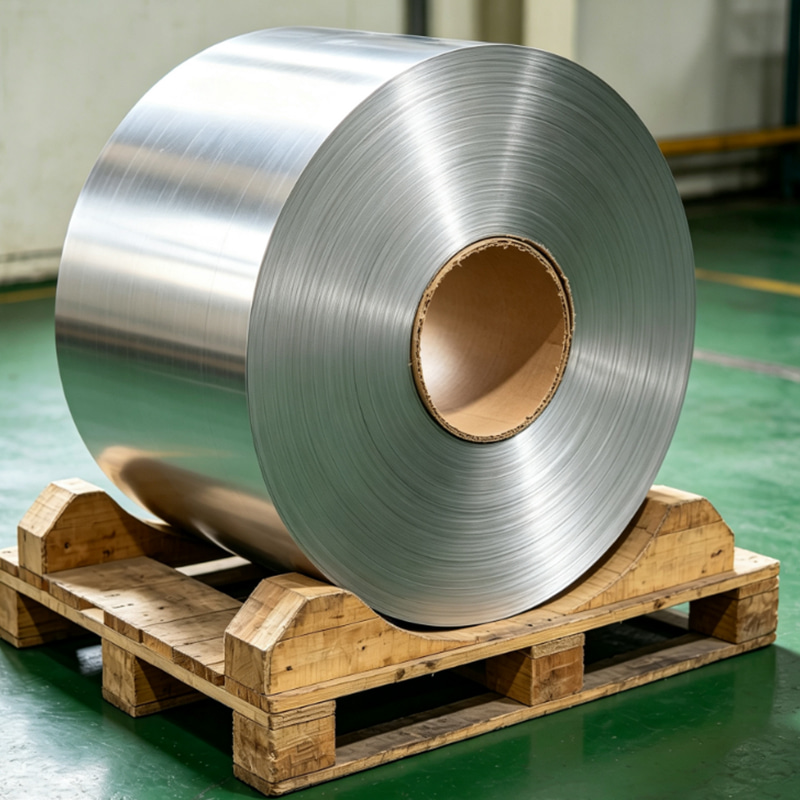
- Typical delivery forms: sheet, coil, plate, and formed components
| Element | Typical limit (%) |
|---|---|
| Magnesium | 2.2-2.8 |
| Chromium | 0.15-0.35 |
| Copper | 0.10 max |
| Iron | 0.40 max |
| Silicon | 0.25 max |
| Manganese | 0.10 max |
| Zinc | 0.10 max |
| Aluminum | Remainder |
That chemistry explains the alloy's character. The magnesium content gives it useful strength without heat treatment, while the chromium addition supports resistance to corrosion in marine and industrial environments.
Mechanical and Physical Properties
When customers ask about aluminum 5052 properties, they usually mean 5052-H32 sheet. It is stronger than 1100 or 3003, but it remains formable enough for bending, roll forming, and drawing. Typical room-temperature values are shown below; actual figures vary with thickness, temper, and test direction.
| Property | Typical value |
|---|---|
| Density | 2.68 g/cm3 |
| Tensile strength | 215-275 MPa |
| Yield strength, 0.2% offset | 160-215 MPa |
| Elongation | 7-12% in 2 in. gauge |
| Modulus of elasticity | Approx. 70 GPa |
| Thermal conductivity | Approx. 138 W/m-K |
| Melting range | 607-650 C |
The alloy has a density close to pure aluminum, so it remains lightweight for transport and portable equipment. Its electrical and thermal conductivity are lower than pure aluminum but still useful for many enclosures, heat shields, and general fabricated parts.
Corrosion Resistance and Marine Performance
Corrosion resistance is one of the strongest reasons to choose 5052. The alloy performs well in fresh water, seawater, salt spray, and many industrial atmospheres. It is common in marine panels, hulls, decks, and dock hardware because it resists chloride attack better than many competing sheet alloys.
Two practical points matter. First, 5052 can be anodized, and the natural oxide layer also helps protect the surface. Second, avoid mixing it with steel fasteners or other dissimilar metals without isolation, because galvanic corrosion can still occur at the joint. Good design details, drainage, and compatible fasteners matter as much as the alloy itself.
Formability, Welding, and Fabrication
5052 is friendly to sheet metal fabricators. It bends well, accepts roll forming, and can be deep drawn or stretch formed in softer tempers. Springback is present, so bend allowances should be checked on the actual temper and thickness. In H32, it offers a good balance between strength and formability; in O temper, it is softer and easier to form but much lower in strength.
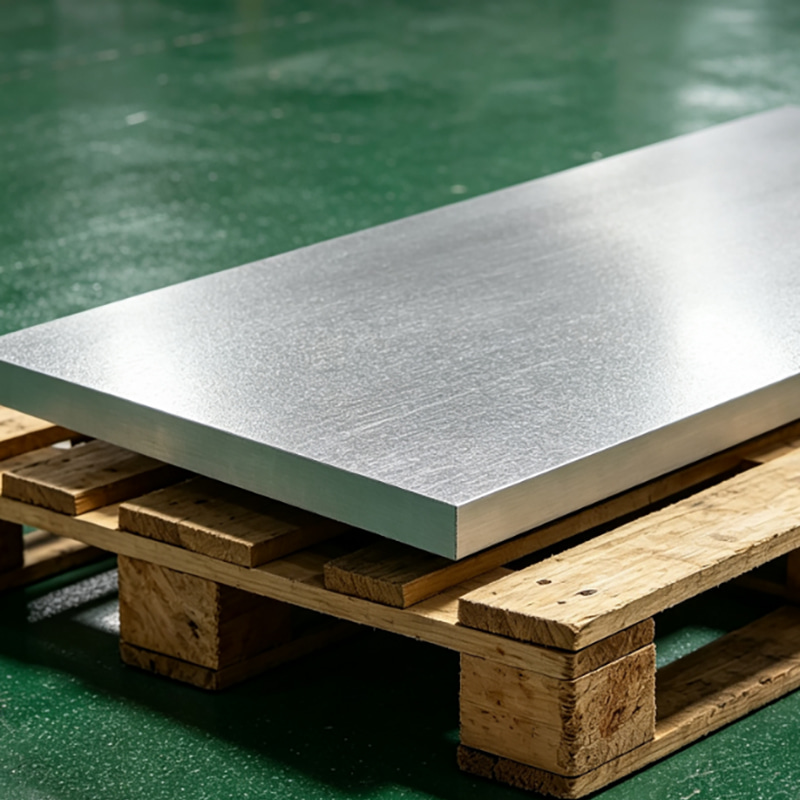 Custom 6101 Aluminum-Magnesium Conductive Alloy ProfilesReview this extrudable Al-Mg-Si alloy for busbars and heat-dissipation parts, with custom profiles and machining, punching, and anodizing support.View Product →
Welding is generally good with TIG or MIG processes. Use a compatible 5xxx filler such as 5356, keep the weld area clean, and account for some strength loss in the heat-affected zone. Machining is possible but not as clean as 6061; use sharp tools, good chip clearance, and stable setups. For shearing, slitting, leveling, and cut-to-length work, our production processing page shows the steps we use to keep 5xxx material flat and consistent.
Heat Treatment, Tempers, and Practical Limits
5052 is not heat-treatable. You cannot precipitation-harden it like 6061 or 7075. Its strength comes from strain hardening, which is why temper selection matters so much. Annealing produces the O temper, while controlled cold work produces H32, H34, and H38 tempers with increasing strength and decreasing ductility.
For elevated-temperature service, 5052 is not usually the first choice when the part will sit near 200 C or above for long periods. Like many non-heat-treatable alloys, it loses strength at high temperature. For room-temperature enclosures, tanks, panels, and formed parts, however, its property balance is hard to beat.
Common Applications of 5052 Aluminum
Because it combines moderate strength, excellent corrosion resistance, and good forming behavior, 5052 appears in many everyday and industrial products:
- Marine hulls, decks, panels, and dock equipment
- Fuel tanks, oil tanks, and pressure vessels
- Transportation panels, trailer skins, and heat shields
- Electronic enclosures, chassis, and mounting plates
- HVAC components, signage, and architectural sheet
- Chemical equipment and food-processing panels where clean surfaces matter
We also see 5052 used as a starting material for CNC machined brackets, covers, and housings when the part does not need the higher machinability of 6061. If a project calls for machined parts from 5xxx sheet or plate, our CNC team can review tolerances, finishes, and batch size before quoting.
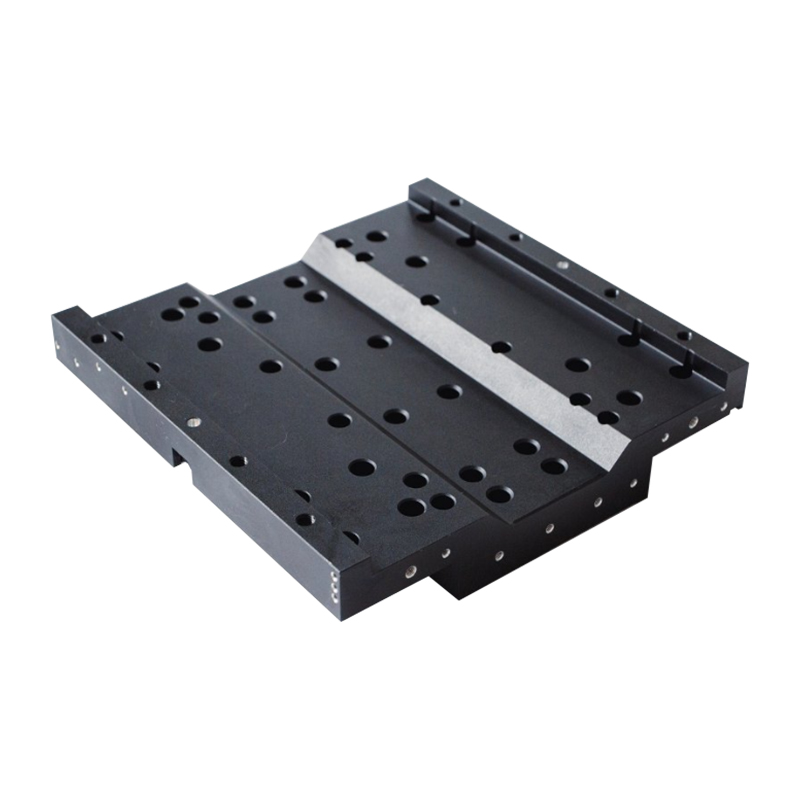 Custom Precision CNC Machined PartsExplore multi-axis milling, turning, drilling, and inspection for aluminum and magnesium parts, including brackets, covers, and application-specific CNC components.View Product →
5052 vs 6061: A Quick Comparison
Buyers often compare 5052 with 6061. They overlap in some enclosures and general fabrication, but they behave differently. The table below gives a practical view.
| Consideration | 5052 | 6061 |
|---|---|---|
| Heat treatment | Non-heat-treatable | Heat-treatable |
| Strength | Moderate | Higher in T6 |
| Corrosion resistance | Excellent, especially marine | Good |
| Formability | Excellent | Good to moderate |
| Weldability | Good | Good, with heat-affected zone consideration |
| Machinability | Moderate | Better |
| Typical uses | Tanks, marine panels, formed enclosures | Structural parts, machined components, frames |
If the part is heavily formed and exposed to salt or moisture, 5052 is often the more natural fit. If the part is machined and needs higher strength after heat treatment, 6061 is usually the better starting point.
Choosing 5052 with Confidence
To specify 5052 well, start with the service environment, then match temper, thickness, and fabrication route. A few simple checks prevent most surprises:
- Confirm whether the part needs maximum corrosion resistance, formability, or strength.
- Select the temper based on the amount of bending or drawing the part will see.
- Use compatible fillers and fasteners, and isolate dissimilar metals where needed.
- Ask for mill certificates and mechanical test reports for critical batches.
If you are weighing 5052 against another magnesium grade, this guide on choosing the right aluminum-magnesium alloy grade can help frame the decision. At Dihong, we supply 5xxx sheet and coil, produce custom profiles, and machine precision parts under ISO9001, IATF-16949, and AS9100 systems. We are always glad to talk through the practical side of aluminum 5052 properties and help you choose a material that fits the job.