

 English
 Español
 عربى
عربى
DIHONG
DIHONG
DIHONG
DIHONG
DIHONG
DIHONG
DIHONG
DIHONG
DIHONG
DIHONG
DIHONG
DIHONG
DIHONG
DIHONG
DIHONG
DIHONG
Content
Understanding the 5XXX Aluminum-Magnesium Alloy Family
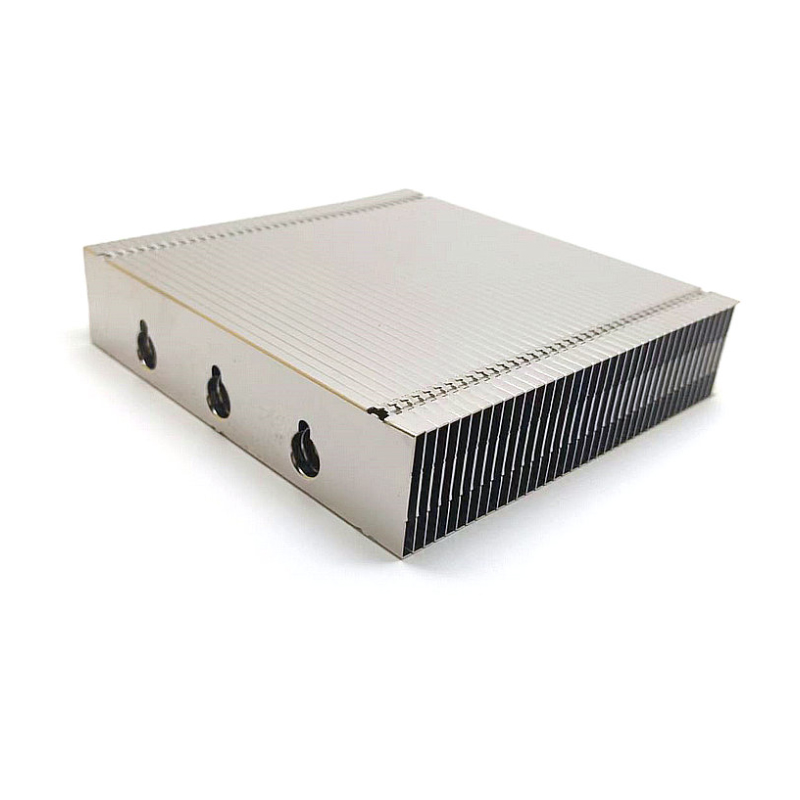
Aluminum-magnesium alloy sheet and coil products in the 5XXX series, including 5052, 5754, 5A06, 5082, and 5083, share magnesium as their primary alloying element, which gives this entire family a distinctive combination of good formability, strong corrosion resistance, reliable weldability, and moderate mechanical strength. Unlike heat-treatable aluminum alloys, the 5XXX series achieves its strength primarily through solid solution strengthening from magnesium content and strain hardening during processing, rather than through precipitation hardening. This fundamental difference in strengthening mechanism explains why 5XXX alloys behave predictably during cold forming and welding, without the risk of strength loss in heat-affected zones that heat-treatable alloys can experience.
This alloy family has become especially important in the construction industry, where its combination of corrosion resistance and workability supports long-term outdoor performance without the maintenance burden associated with less corrosion-resistant materials. Beyond construction, these alloys extend into transportation, marine, and general industrial fabrication, wherever a combination of moderate strength, good weldability, and reliable corrosion resistance is required.
Comparing the Core 5XXX Grades
While all 5XXX grades share the same fundamental alloying approach, magnesium content and minor compositional differences between 5052, 5754, 5A06, 5082, and 5083 result in meaningful differences in strength, formability, and suitability for specific applications.
5052: Balanced Formability and Corrosion Resistance
5052 is one of the most widely used general-purpose alloys in this family, valued for its excellent corrosion resistance, particularly in marine and chemical environments, combined with good formability for deep drawing and bending operations. It is a common choice for fuel tanks, sheet metal parts, and general fabrication where moderate strength is sufficient and forming complexity is a priority.
5754: Strong Weldability for Structural Applications
5754 offers a strength level between 5052 and the higher-magnesium grades, with particularly strong weldability that makes it suitable for structural components and vehicle body panels where welded joints must maintain consistent mechanical properties. Its moderate strength combined with good formability also supports applications involving both sheet metal forming and subsequent welding in the same fabrication process.
5A06: Higher Strength for Demanding Structural Use
5A06 carries a higher magnesium content than 5052 or 5754, resulting in increased mechanical strength suited to more demanding structural applications, including aircraft fuel tanks and fuel line systems where both strength and long-term corrosion resistance in contact with fuel are critical requirements. This higher magnesium content does require more attention during welding to manage the risk of stress corrosion cracking in certain elevated-temperature service conditions.
5082 and 5083: High Strength for Marine and Heavy-Duty Fabrication
5083, often referenced by its equivalent designation LF4, is among the highest-strength alloys in the standard 5XXX series and is widely specified for shipbuilding, rail vehicle structures, and pressure vessel applications where maximum strength combined with excellent corrosion resistance in marine or industrial environments is required. 5082 shares a closely related composition and is frequently used in similar structural and marine contexts, with selection between the two often coming down to specific mechanical property requirements or regional material availability.
Key Property Comparison Across 5XXX Grades
| Grade | Relative Strength | Formability | Typical Use |
| 5052 | Moderate | Excellent | Fuel tanks, sheet metal parts, general fabrication |
| 5754 | Moderate to good | Good | Vehicle body panels, welded structures |
| 5A06 | Good to high | Moderate | Aircraft fuel tanks, fuel lines |
| 5082 / 5083 | High | Moderate | Shipbuilding, rail structures, pressure vessels |
Primary Applications Across Industries
The combination of corrosion resistance, weldability, and moderate strength found across the 5XXX series supports a wide range of end uses, several of which place specific demands on which grade is most appropriate.
Transportation and Aerospace Components
- Aircraft fuel tanks and fuel line systems requiring corrosion resistance in fuel contact
- Sheet metal parts for vehicles and ships requiring good formability and weldability
- Instrument and street light brackets requiring moderate strength and long-term outdoor durability
- Rivets and hardware products requiring consistent mechanical properties in wire form
Construction and Electrical Applications
In construction, 5XXX sheet and coil products are used extensively for architectural cladding, roofing components, and structural brackets, where corrosion resistance under prolonged outdoor exposure directly affects the service life of the installation. Electrical appliance housings also draw on this alloy family for their combination of good formability during manufacturing and reliable corrosion resistance throughout the product's operating life.
Understanding Aluminum-Manganese Alloys as a Related Alternative
Aluminum-manganese alloys represent a related but distinct rust-resistant aluminum category, and understanding their differences from the 5XXX aluminum-magnesium series helps clarify when each type is the more appropriate choice. Aluminum-manganese alloys are not strengthened by heat treatment, similar to the 5XXX series, but they achieve their properties through a different alloying approach centered on manganese rather than magnesium.
Strength and Workability Characteristics
Aluminum-manganese alloys offer high fatigue strength along with high plasticity and good corrosion resistance, though their behavior under cold working differs from the 5XXX series. Plasticity remains good during semi-cold work hardening but decreases during cold work hardening, meaning process planning for parts made from this alloy type needs to account for this difference in workability compared to standard aluminum-magnesium grades.
Applications Suited to Aluminum-Manganese Alloys
These alloys are best suited to low-load parts operating in liquid or gaseous media, such as fuel tanks, gasoline or lubricating oil conduits, and various liquid containers, where good weldability and plasticity matter more than high mechanical strength. Machinability is comparatively poor, though the alloy can be polished effectively, and wire forms of this alloy type are commonly used to manufacture rivets for assemblies where deep drawing and reliable weld quality are priorities.
Choosing the Right Grade for Your Application
Selecting between 5052, 5754, 5A06, 5082, 5083, or an aluminum-manganese alternative starts with clarifying the primary performance requirement of the application, since no single grade optimizes for strength, formability, and weldability simultaneously at the same level.
Questions to Clarify Before Specifying a Grade
- Is the part subject to deep drawing or complex forming, favoring 5052's superior formability
- Will the component be welded into a larger structure, favoring 5754 or 5083 depending on strength needs
- Does the application involve marine, fuel, or chemical exposure requiring maximum corrosion resistance
- Is maximum structural strength the priority, pointing toward 5A06, 5082, or 5083
Working through these questions against the specific mechanical and environmental demands of the finished part, rather than defaulting to a commonly used grade, remains the most reliable path to selecting an aluminum-magnesium alloy sheet or coil product that performs reliably over its intended service life.