

 English
 Español
 عربى
عربى
DIHONG
DIHONG
DIHONG
DIHONG
DIHONG
DIHONG
DIHONG
DIHONG
DIHONG
DIHONG
DIHONG
DIHONG
DIHONG
DIHONG
DIHONG
DIHONG
Content
- 1 Why Magnesium Alloy Profiles Lead in Weight-Critical Design
- 2 Choosing Between AZ31 and ZA61A Alloy Systems
- 3 Comparing AZ31 and ZA61A Alloy Characteristics
- 4 Vibration Damping and Acoustic Performance Advantages
- 5 Electromagnetic Shielding Benefits for Electronic Enclosures
- 6 Growing Application Sectors for Magnesium Extrusion Profiles
- 7 Managing Corrosion Through Surface Treatment Selection
- 8 Planning a Successful Magnesium Extrusion Program
Why Magnesium Alloy Profiles Lead in Weight-Critical Design
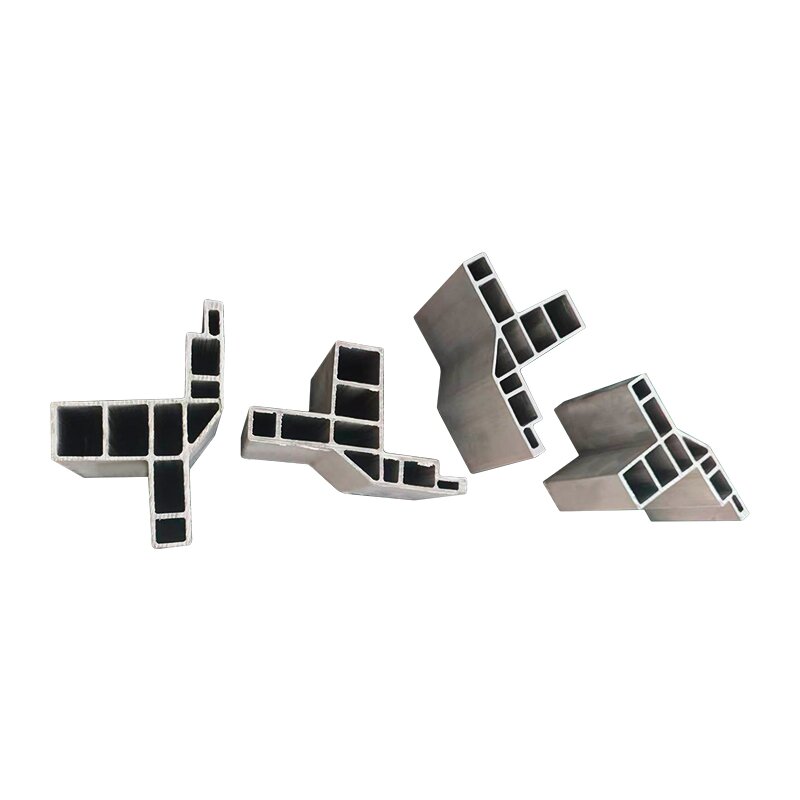
Magnesium alloy extrusion profiles offer the most favorable strength-to-weight ratio of any structural metal currently used in engineering applications, with a density approximately 35 percent lower than aluminum and roughly 75 percent lower than steel. This density advantage is not a marginal improvement, it represents a fundamentally different weight class of material, which is why magnesium becomes the material of choice whenever minimum structural weight is the overriding design requirement rather than one consideration among several.
Realizing this advantage in practice requires understanding where magnesium's limitations lie and designing around them deliberately, rather than treating magnesium as a drop-in aluminum replacement. Corrosion sensitivity, specific alloy selection, and appropriate surface treatment all need to be addressed at the design stage, but for applications where the limitations are properly managed, magnesium profiles deliver structural performance per unit weight that no other metallic extrusion material can match.
Choosing Between AZ31 and ZA61A Alloy Systems
Two alloy systems form the foundation of most magnesium extrusion programs, each suited to a different balance of formability, strength, and application demand.
AZ31: The Practical Workhorse Alloy
AZ31 is the most widely used wrought magnesium alloy, valued for offering a practical balance of formability, weldability, and mechanical properties that suits a broad range of extrusion profile applications. Its combination of reasonable strength and good extrudability makes it the default starting point for new magnesium profile programs, particularly where the part geometry involves moderate complexity and the structural load is not at the extreme upper end of what magnesium can support.
ZA61A: Higher Strength for Demanding Structural Loads
ZA61A provides higher strength than AZ31 and is preferred where structural loads are more demanding, making it the appropriate choice for load-bearing frame components or structural brackets where AZ31's mechanical properties would leave insufficient safety margin. The trade-off for this higher strength is typically reduced formability compared to AZ31, meaning ZA61A extrusion profiles are best suited to geometries that do not require the same degree of post-extrusion forming complexity.
Rare Earth Element Additions for Elevated Performance
Select magnesium profile products incorporate rare earth element additions specifically to enhance elevated-temperature strength, creep resistance, and corrosion performance beyond what standard AZ31 or ZA61A compositions provide. These rare earth modified alloys become relevant for applications where the profile will experience sustained elevated temperature exposure during service, or where the standard corrosion performance of the base alloy is not sufficient for the intended operating environment.
Comparing AZ31 and ZA61A Alloy Characteristics
| Alloy | Relative Strength | Formability | Best Suited For |
| AZ31 | Moderate | Good | General-purpose profiles, complex geometries |
| ZA61A | High | Moderate | Load-bearing structural components |
| RE-modified variants | Enhanced at elevated temperature | Application dependent | High-temperature or corrosion-sensitive service |
Vibration Damping and Acoustic Performance Advantages
One of magnesium's most distinctive application-driven properties is its excellent vibration and acoustic damping capacity, which measures approximately five times greater than aluminum under comparable conditions. This damping characteristic makes magnesium profiles particularly effective in reducing noise and vibration transmission within sensitive assemblies, where structure-borne vibration would otherwise degrade performance or generate unwanted acoustic emission.
Where Damping Performance Matters Most
Assemblies containing precision optics, sensitive sensors, or components sensitive to resonance benefit disproportionately from magnesium's damping properties, since even small reductions in transmitted vibration can meaningfully improve measurement stability or reduce fatigue loading on adjacent components over the assembly's service life. This makes magnesium profiles a practical engineering choice, not just a weight-saving choice, in applications where vibration control is itself a design requirement.
Electromagnetic Shielding Benefits for Electronic Enclosures
Magnesium's electromagnetic shielding effectiveness is superior to aluminum across many frequency ranges, a property directly relevant to electronic enclosure applications where internal components must be protected from external electromagnetic interference, or where the enclosure itself must prevent internal emissions from affecting nearby equipment. This shielding advantage, combined with magnesium's low density, explains why magnesium extrusion profiles have become increasingly common in enclosure frames for compact electronic devices where both weight reduction and signal integrity are simultaneous design priorities.
Growing Application Sectors for Magnesium Extrusion Profiles
The combination of low density, strong damping performance, and effective electromagnetic shielding has driven growing adoption of magnesium alloy profiles across several distinct industry sectors.
- 3C electronics enclosures and internal support frames requiring both light weight and shielding performance
- Lightweight transportation structures where reduced mass directly improves fuel efficiency or payload capacity
- Medical device frameworks requiring a favorable strength-to-weight ratio for portable or wearable equipment
- Precision instrument housings benefiting from magnesium's vibration damping characteristics
Each of these sectors values a different combination of magnesium's properties, which is why alloy selection and surface treatment specification should be tailored to the specific application rather than applying a single standard specification across unrelated product programs.
Managing Corrosion Through Surface Treatment Selection
Corrosion protection requires careful attention in any magnesium profile program, since magnesium's electrochemical properties make it more reactive than aluminum or steel in many service environments. Appropriate surface treatment is not optional for most applications, it is a core part of the engineering specification that determines whether the profile will perform reliably over its intended service life.
Common Surface Treatment Options
Micro-arc oxidation produces a hard, ceramic-like oxide layer that offers strong corrosion and wear resistance, making it suitable for applications facing mechanical abrasion in addition to corrosive exposure. Chemical conversion coating provides a lighter-weight corrosion protection layer often used as a base for subsequent painting, while direct painting systems offer a cost-effective option for applications with less demanding corrosion exposure. Selecting among these options depends on the specific service environment the profile will face, including humidity exposure, contact with dissimilar metals, and any mechanical wear the surface will experience in use.
Matching Treatment to Service Environment
| Treatment | Key Benefit | Best Suited For |
| Micro-arc oxidation | Hard, wear- and corrosion-resistant layer | Abrasive or high-corrosion environments |
| Chemical conversion coating | Lightweight corrosion protection and paint base | Moderate exposure with subsequent painting |
| Painting | Cost-effective surface protection | Lower corrosion exposure applications |
Planning a Successful Magnesium Extrusion Program
Developing a new magnesium extrusion program benefits from engineering support across three interconnected decisions: surface treatment selection matched to the actual service environment, alloy qualification confirming AZ31, ZA61A, or a rare earth modified variant meets the application's mechanical and thermal requirements, and dimensional tolerance definition that accounts for magnesium's specific extrusion behavior compared to aluminum. Addressing these three factors together at the design stage, rather than treating them as separate late-stage decisions, is what allows magnesium alloy profiles to deliver on their weight-saving potential without introducing corrosion or performance issues once the part enters service.