|
Core Requirement
|
Technical Implementation
|
Rare-Earth Modification Improvement
|
Application Value & Scenario
|
|
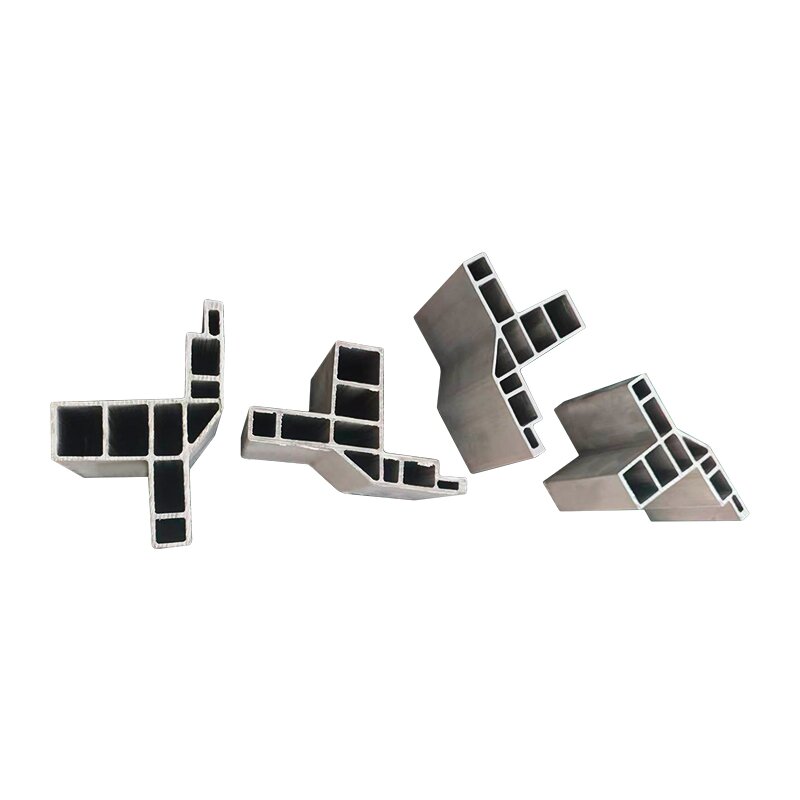
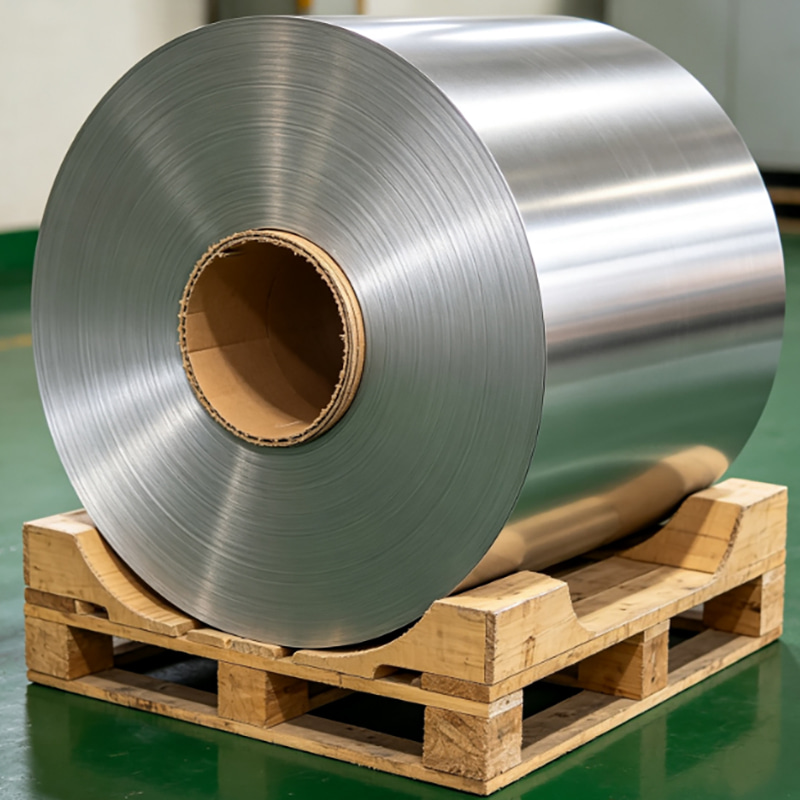
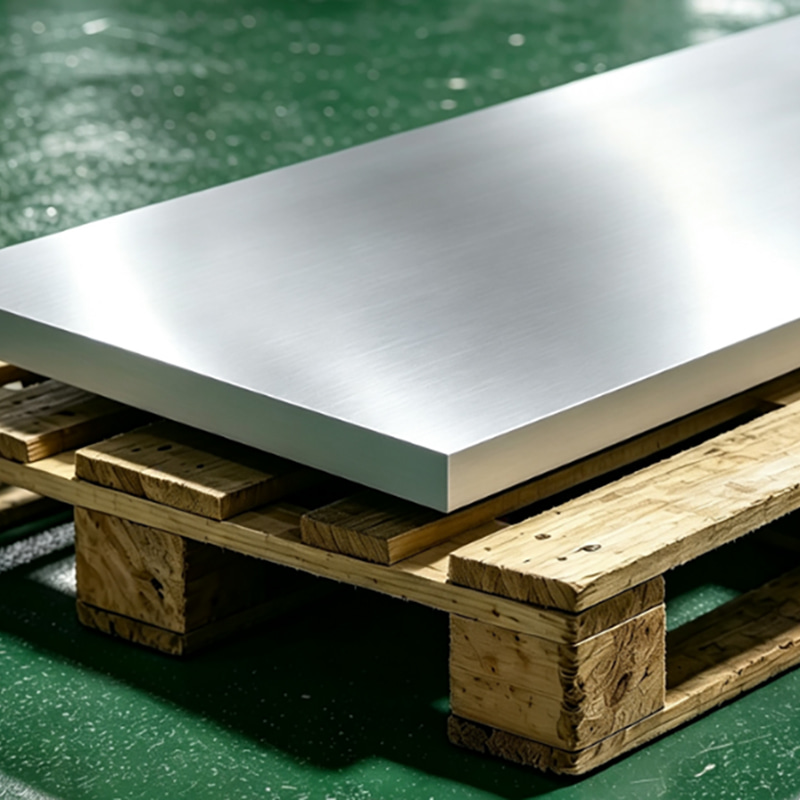
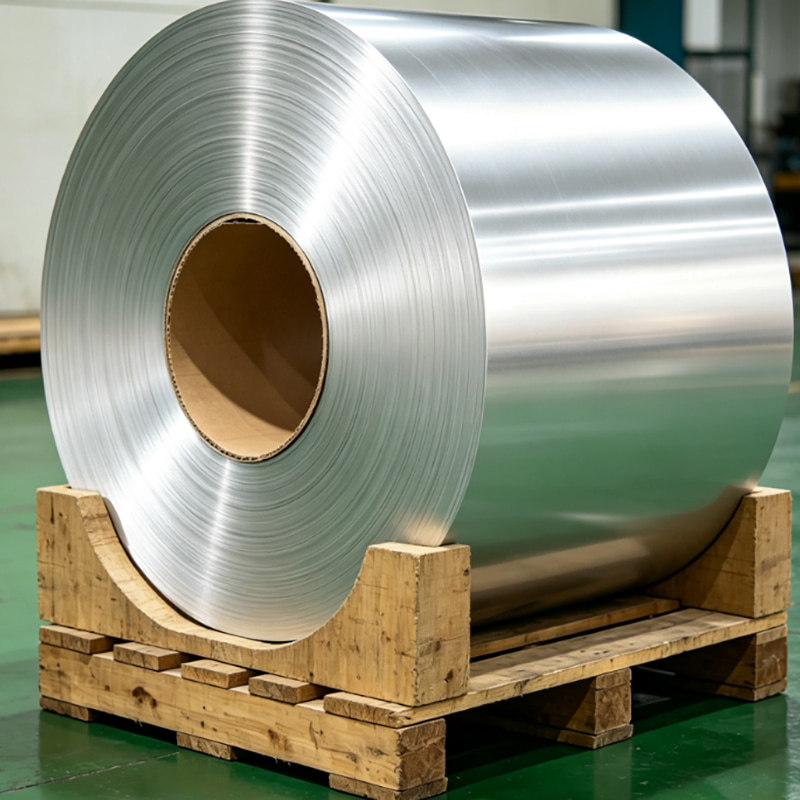
Primary materials are grades AZ31 and ZA61A magnesium alloy; some products are modified with rare-earth elements (neodymium Nd, cerium Ce, yttrium Y, etc.); suited to 3C electronics, automotive parts, aerospace, portable devices, and other fields — currently one of the core preferred materials for lightweight structural components
|
AZ31/ZA61A are Mg-Zn-Al wrought magnesium alloys — the lightest metallic structural materials in engineering use; precise alloy composition control and optimized heat treatment achieve a balance of light weight and high performance, suited to precision machining, die casting, extrusion, and other forming processes
|
Adding rare-earth elements further refines the alloy grain structure, improving overall alloy performance and expanding the application scope of magnesium alloys, addressing the traditional pain points of poor corrosion resistance and poor high-temperature performance in conventional magnesium alloys
|
Provides a stable material foundation for lightweight structural components across industries, balancing light weight, high strength, and high functionality, replacing traditional aluminum alloy and steel components to achieve significant weight reduction
|
|
Standard AZ31 salt-spray corrosion resistance ≥48 hours; ZA61A salt-spray corrosion resistance ≥72 hours; long-term use temperature ≤120°C; with rare-earth addition, salt-spray corrosion resistance ≥240 hours and long-term use temperature ≥150°C
|
Rare-earth elements form a dense rare-earth oxide film on the alloy surface, effectively blocking corrosive media, while also refining the grain structure and reducing intergranular corrosion; rare-earth strengthening phases inhibit grain growth at high temperature, improving high-temperature performance
|
Adding rare-earth elements such as Nd and Ce can improve corrosion resistance by more than 3 times and increase high-temperature tensile strength by 40%, addressing the core pain points of poor corrosion resistance and poor high-temperature performance in traditional magnesium alloys
|
Significantly extends product service life in high/low-temperature, high-humidity, and corrosive environments, expanding the application scope of magnesium alloys to demanding conditions such as automotive, aerospace, and outdoor equipment
|
|
Excellent weldability, with weld strength ≥80% of base metal, suited to argon arc welding, laser welding, and other welding methods; strong compatibility with threaded connections and snap-fit assembly, free of thread stripping or cracking issues
|
AZ31/ZA61A alloy composition is stable with a small heat-affected zone during welding, making it less prone to welding defects; post-weld heat treatment can restore performance; the alloy’s excellent plasticity suits a variety of assembly methods with high connection reliability
|
Adding rare-earth elements refines the weld grain structure, improving weld strength and crack resistance; welding yield is significantly improved, with weld strength reaching over 90% of the base metal
|
Ensures assembly and welding reliability, reduces processing difficulty, suits automated production processes, improves production efficiency, and ensures stable structural connections throughout the product’s lifecycle
|
|
Complies with RoHS and REACH environmental regulations; recyclability ≥95%; no release of hazardous substances; meets domestic and international consumer electronics and automotive industry environmental standards
|
Magnesium alloy is a recyclable metal material; the production process releases no heavy metals or hazardous volatiles, meeting environmental compliance requirements throughout its lifecycle — a green, environmentally friendly engineering material
|
Rare-earth element content is controlled within compliant limits, with no hazardous substance release, meeting environmental access requirements across global markets with no compliance risk
|
Meets environmental access requirements for domestic and international markets, reduces product compliance risk, aligns with green manufacturing and sustainable development trends, and suits the environmental requirements of export-oriented products
|


 English
 Español
 عربى
عربى