

 English
 Español
 عربى
عربى
DIHONG
DIHONG
DIHONG
DIHONG
DIHONG
DIHONG
DIHONG
DIHONG
DIHONG
DIHONG
DIHONG
DIHONG
DIHONG
DIHONG
DIHONG
DIHONG
Content
Electric aerospace is pushing aluminum components into a new design space. The battery packs, airframes, and propulsion systems in eVTOL aircraft and electric drones all depend on aluminum parts that are light enough to maximize range and strong enough to survive repetitive loads. The good news? The right alloy combined with a supplier who controls extrusion and CNC machining can simplify qualification and reduce program risk.
Why Aluminum Components Are Central to Electric Aerospace
Aluminum is the default structural metal for electric aircraft because it solves several problems at once. A typical 7xxx or 2xxx alloy reaches strength levels close to some steels at roughly one-third of the weight. For an eVTOL that carries heavy lithium-ion packs, every kilogram saved from the airframe can be converted into payload or battery capacity. Aluminum also conducts heat away from motors and power electronics, which helps manage the thermal loads that electric propulsion systems generate. Its corrosion resistance reduces maintenance burdens, and its machinability allows complex geometries to be produced at acceptable cost.
Compared to carbon fiber, aluminum is easier to inspect, repair, and connect to metallic hardware. It also has a well-documented fatigue and damage-tolerance history that engineers can reference during certification. These properties make aluminum components a low-risk choice for wing spars, landing gear attachments, motor housings, and battery tray structures.
Key Alloys for Electric Aerospace Components
Alloy selection is where aerospace component sourcing starts. For electric aircraft, the most common families are 2xxx, 6xxx, and 7xxx. 2xxx alloys are known for high strength and fatigue resistance, making them suitable for tensioned structures such as skins and stringers. 6xxx alloys offer better corrosion resistance and ease of extrusion, which is why they appear in brackets, frame rails, and thermal management components. 7xxx alloys deliver the highest strength of the three, often used for compressive and highly loaded parts like wing spars and seat tracks.
| Alloy | Key Strengths | Typical Electric Aerospace Use |
|---|---|---|
| 2024-T3 | High fatigue resistance and damage tolerance | Aircraft skins, stringers, battery tray frames |
| 6061-T6 | Balanced strength, corrosion resistance, and machinability | Extruded brackets, motor mounts, heat exchanger housings |
| 7075-T6 | Highest strength in the group, good stress-corrosion behavior | Wing spars, landing gear fittings, load-bearing attachments |
In electric aerospace, the load path determines the alloy. A battery-tray frame that must survive hard landings will benefit from 2024-T3, while a motor mount that needs to dissipate heat might be better served by 6061-T6 in an extruded shape. 7075-T6 remains the benchmark for structural parts that see high compression and shear.
From Extrusion to Machining: Why a One-Stop Supplier Cuts Risk
Electric aircraft programs often involve small production runs, frequent design iterations, and strict traceability. Working with a supplier that combines aluminum extrusion and CNC precision machining reduces the number of handoffs between vendors. Each handoff introduces potential tolerance drift, documentation gaps, and schedule delays. When one supplier produces the raw extrusion and also finishes the part, the quality system follows the same material batch from start to finish.
For example, an aluminum extrusion profile for an aerospace bracket can be extruded to close dimensional tolerances and then machined in the same facility. This approach shortens lead times and makes it easier to maintain heat-treatment records and mechanical property certifications. It also allows engineers to make design changes without resubmitting the entire supply chain. A dedicated production-processing line with in-house process control gives buyers a single point of accountability.
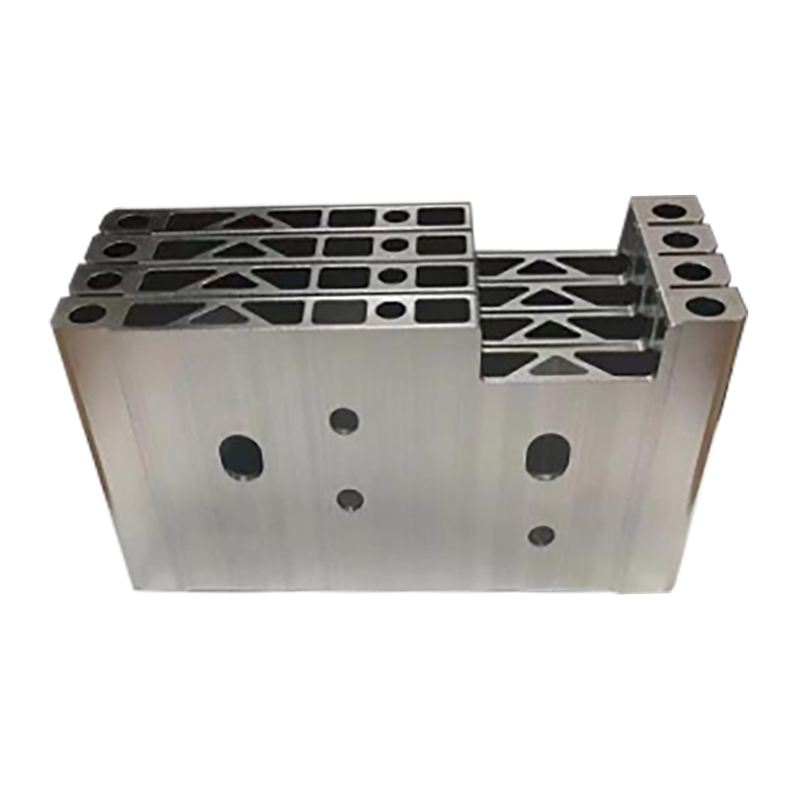
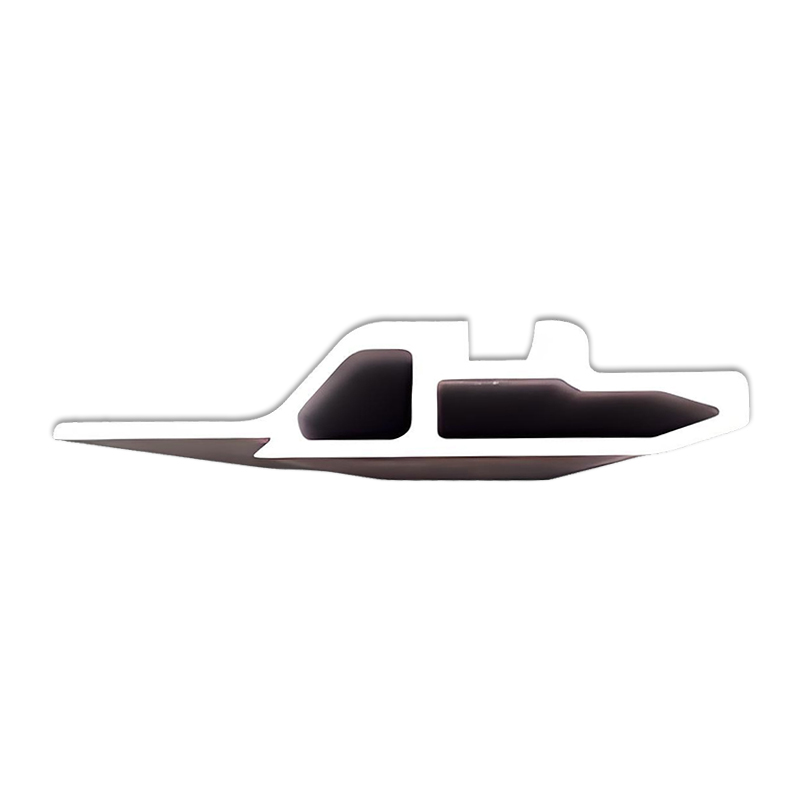 High-Strength Aerospace Aluminum Extrusions with Certified TraceabilityThese aerospace extrusions use 7000-series alloys for structural components, with full material certifications and dimensional inspection reports to support qualification and first-article requirements.View Product →
A certified extrusion partner with aerospace experience can provide custom profiles that meet tight corner radii and wall-thickness requirements while preserving the alloy's mechanical integrity.
Precision and Material Standards: What Buyers Must Verify
The difference between a reliable electric aerospace component and a failed one often comes down to the standards behind it. Aviation-grade aluminum parts demand compliance with AS9100, which reinforces quality management at every process step. Additional certifications such as IATF-16949 and ISO9001 signal a disciplined production environment when they are not strictly required by the customer.
Buyers should ask for the alloy temper and material state, not just the alloy family. Values such as yield strength, ultimate tensile strength, and elongation must be traceable to a lot number. Surface roughness on machined faces should be specified with a clear maximum, often measured in Ra units. For electric motors and battery enclosures, tolerances around flatness and parallelism become critical because uneven contact surfaces can create hot spots or preload shifts. Understanding what precision and material standards matter most for CNC parts saves time during supplier qualification.
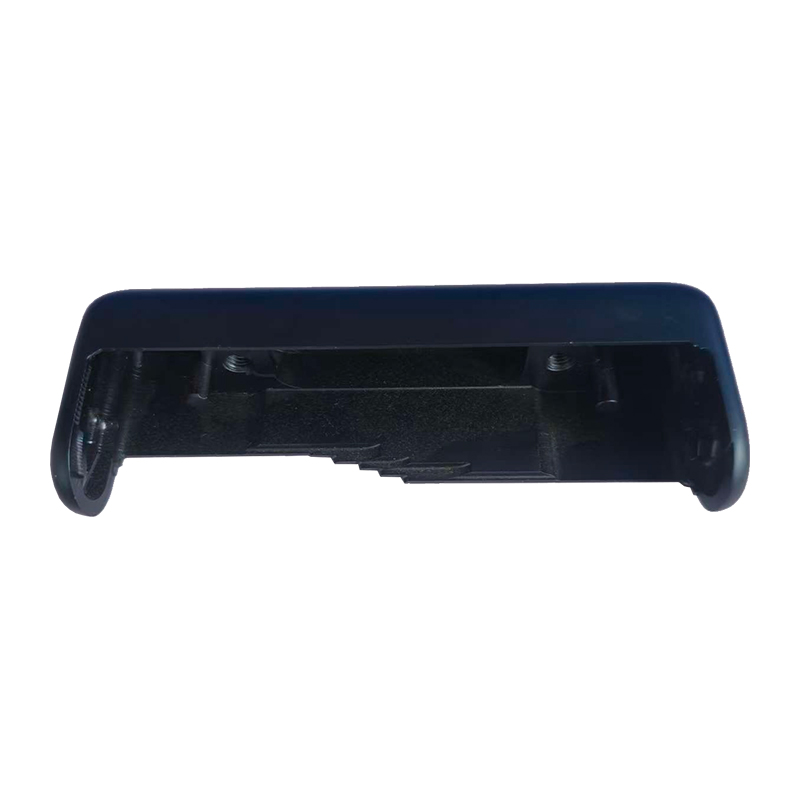
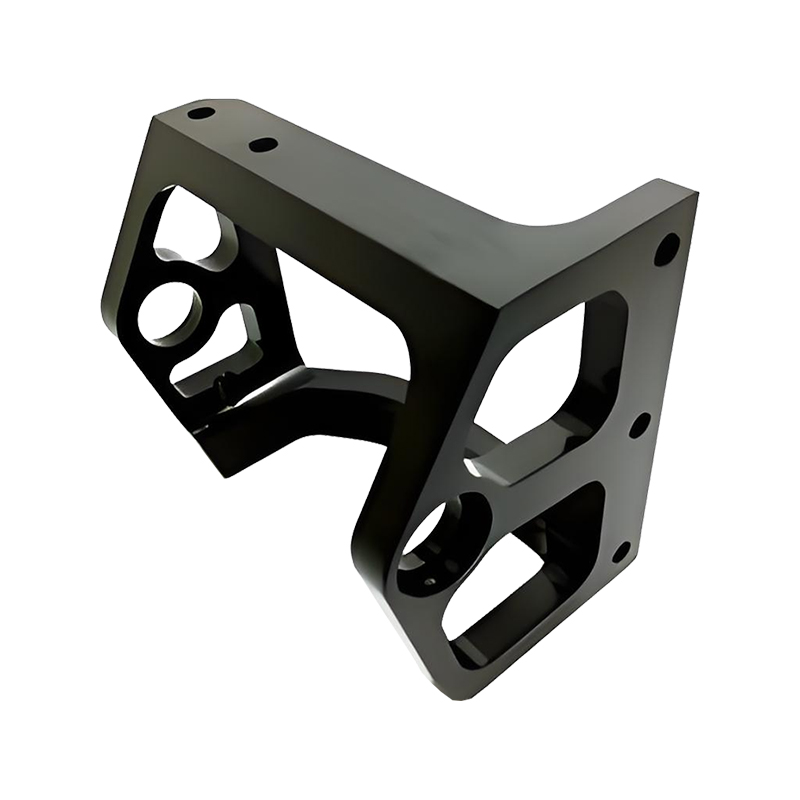 Precision CNC Machined Components for Aerospace and Defense ApplicationsMachined parts for aerospace and defense include functional hardware and decorative items, with documented first-article inspection and material traceability for demanding applications.View Product →
CNC machining for aerospace and defense applications also requires verification of cutting tools, coolant types, and fixture designs. At the component level, this translates into measurable quality: no burrs, consistent edge break, and documented inspection results.
A Practical Sourcing Checklist for Electric Aerospace Programs
When you are ready to order aluminum components, use a checklist that covers both material and process. The following points give you a starting point.
- Confirm the alloy, temper, and applicable product standard before quoting.
- Require mechanical property certificates that match the final machine state.
- Verify that the supplier controls both extrusion and machining in-house.
- Check capability for small-batch production and design change responsiveness.
- Ask for a clear inspection plan covering dimensional, surface, and material tests.
A supplier that can provide 7075 aluminum-zinc alloy sheet plate together with finished machined parts gives you a more integrated supply base for electric aerospace programs.
Aluminum components for electric aerospace are not a simple commodity purchase. They require alloy knowledge, controlled processing, and a supplier who understands the tolerance and documentation demands of aviation-grade programs. Selecting a partner with extrusion, machining, and certified quality systems reduces the risk and accelerates the path to flight.