

 English
 Español
 عربى
عربى
DIHONG
DIHONG
DIHONG
DIHONG
DIHONG
DIHONG
DIHONG
DIHONG
DIHONG
DIHONG
DIHONG
DIHONG
DIHONG
DIHONG
DIHONG
DIHONG
Content
Two extrusions with the same dark anodized finish can stand next to each other and still perform very differently in service. The difference is not visible on the surface; it is locked in the chemical composition. Aluminum alloy composition controls strength, formability, weldability, corrosion resistance, and even how a part responds to anodizing. If you are sourcing sheet, plate, extrusion profiles, or machined components, checking the composition sets the foundation for every later engineering decision.
What Is Aluminum Alloy Composition?
Aluminum alloy composition is the weight-percentage breakdown of the chemical elements in the metal. Pure aluminum makes up the balance, and other elements are added intentionally or appear as impurities. The most common deliberate additions are silicon, magnesium, copper, manganese, and zinc. Small quantities of chromium, titanium, and nickel are also used to control grain structure or improve corrosion behavior.
Suppliers normally quote composition as ranges, not single values. A typical 6061, for example, contains 0.40–0.80% silicon, 0.80–1.20% magnesium, 0.15–0.40% copper, 0.04–0.35% chromium, with the balance aluminum. The range matters because material on the low side of copper behaves differently from material on the high side after welding or anodizing.
| Element | Why It Is Added | Practical Effect |
|---|---|---|
| Silicon (Si) | Improves fluidity and forms strengthening precipitates with magnesium | Better casting and extrusion response |
| Magnesium (Mg) | Primary strengthening agent in 5xxx and 6xxx alloys | Increases strength and weldability |
| Copper (Cu) | Adds strength and machinability | Reduces corrosion resistance and weldability |
| Manganese (Mn) | Controls grain size and provides moderate strengthening | Improves formability without extra weight |
| Zinc (Zn) | Main strengthening element in 7xxx alloys | Produces the highest strength with magnesium and copper |
| Iron (Fe) | Usually an impurity, sometimes a grain refiner | High limits can reduce ductility and increase tool wear |
| Chromium (Cr) | Controls grain structure | Improves stress-corrosion resistance |
For engineering buyers, composition is more than a line on a certificate. It is the earliest clue whether an alloy will survive saltwater exposure, high temperatures, tight bends, thin walls, or a specified anodized color.
How Composition Drives Alloy Series Performance
Aluminum alloys are grouped into numbered series according to the main alloying element. This classification gives a quick behavioral shortcut: once you know the series, you already have a good idea of its strength, corrosion resistance, and typical processing route.
| Series | Main Alloying Addition | Composition Feature | Representative Uses |
|---|---|---|---|
| 1xxx | None (99% min. Al) | High electrical and thermal conductivity | Bus bars, heat exchangers, reflectors |
| 2xxx | Copper (2.2–6.8%) | Heat-treatable, high strength | Aerospace structures, fasteners |
| 3xxx | Manganese (1.0–1.5%) | Moderate strength, excellent formability | Roofing, cookware, heat-transfer sheet |
| 4xxx | Silicon (4.5–12%) | Lower melting point, good fluidity | Welding filler, brazing alloys |
| 5xxx | Magnesium (1.0–5.5%) | High strength, weldable, corrosion resistant | Marine, tanks, structural sheet |
| 6xxx | Magnesium + Silicon (Mg2Si) | Good extrudability, medium strength | Architectural profiles, structural sections |
| 7xxx | Zinc (5–8%) plus Mg/Cu | Highest strength of commercial alloys | Aerospace, high-performance sporting equipment |
There is no single best aluminum alloy. A 7xxx aircraft spar is overkill for a solar-panel frame, while a 1xxx busbar would not support a handrail. The decision starts with service environment and manufacturing process. A common first question is sheet versus extrusion: 5xxx alloys are usually stronger and more corrosion-resistant, while 6xxx alloys extrude into complex cross-sections and often produce a more uniform anodized finish.
For a more detailed comparison, see which aluminum-magnesium alloy grade is right for your sheet or extrusion project.
1xxx and 3xxx: Purity and Formability First
When electrical or thermal conductivity is the main requirement, 1xxx alloys are the direct choice. Because they are almost pure aluminum, they do not gain strength from precipitation hardening. They form, weld, and resist corrosion well, but they are not intended for load-bearing structures. 3xxx alloys add manganese to lift strength while keeping formability high, which is why they appear in cookware, heat exchangers, and general sheet-metal work. If your design is built around thin, light sheet with moderate loading, these two families keep material cost predictable.
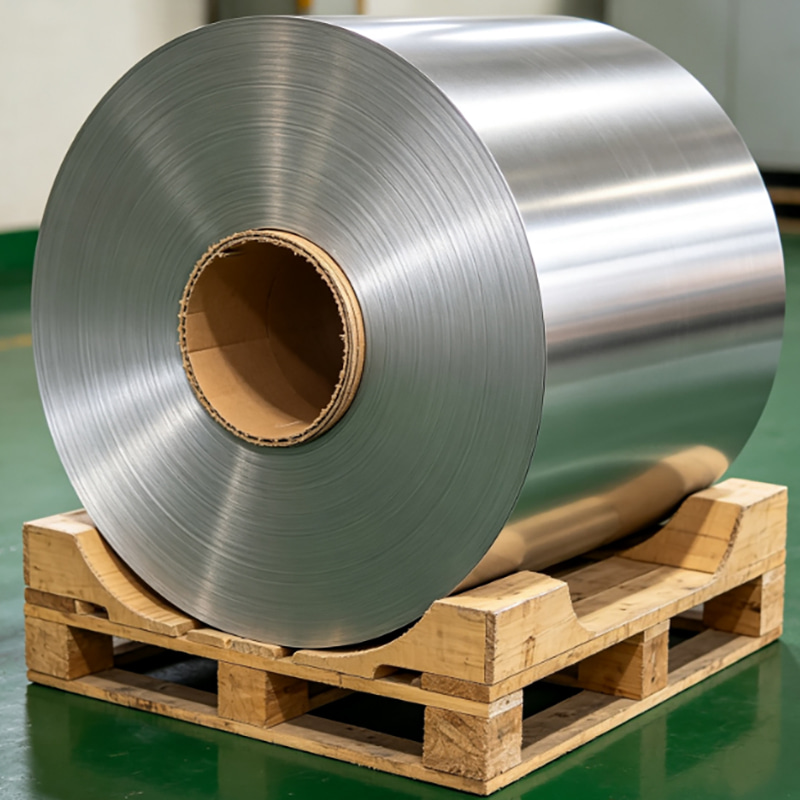
 1XXX Aluminum Sheet and Coil for Formable, Conductive ApplicationsAlloys like 1050, 1060, and 1100 offer excellent formability, corrosion resistance, and electrical conductivity. These sheets suit non-structural components such as chemical instruments, heat exchangers, and decorative parts, especially when thin sheet with moderate loading is needed.View Product →
5xxx and 6xxx: Workhorses for Sheet and Extrusion
5xxx alloys use magnesium as the main strengthener. They are among the most weldable aluminum alloys, and they hold up well in marine and chemical environments. For enclosures, tanks, and vehicle flooring, a 5052 or 5083 plate often outperforms a heat-treated 6xxx sheet because it avoids cracking under cold forming and keeps corrosion resistance in salt air.
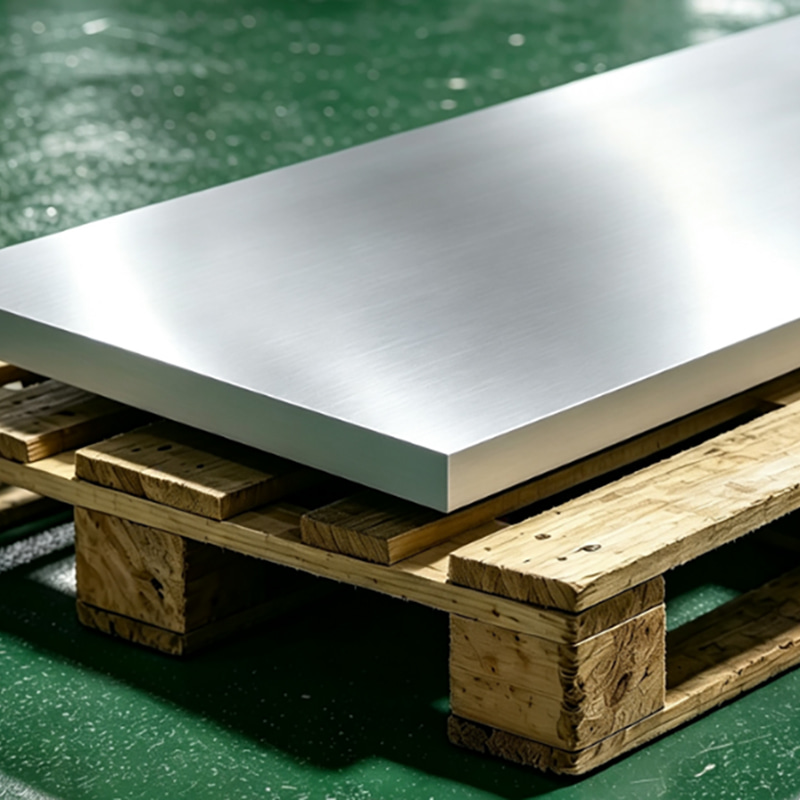
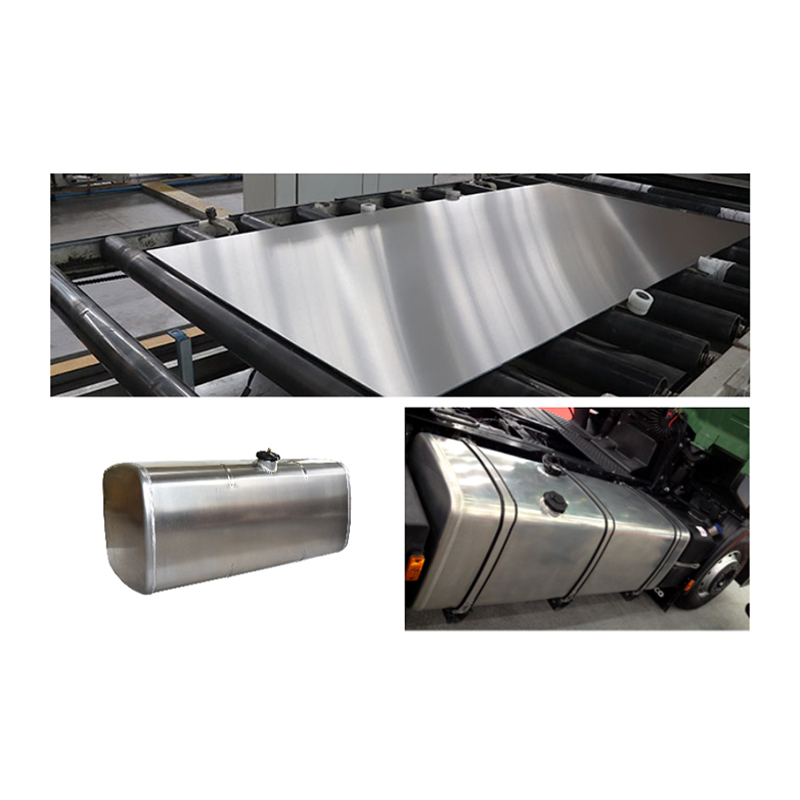 5XXX Aluminum-Magnesium Sheet and Coil for Marine and Forming WorkAlloys including 5052 and 5083 provide good corrosion resistance, weldability, and moderate strength. Their resistance to cracking during cold forming makes them ideal for enclosures, tanks, vehicle flooring, and other applications exposed to salt air or chemical environments.View Product →
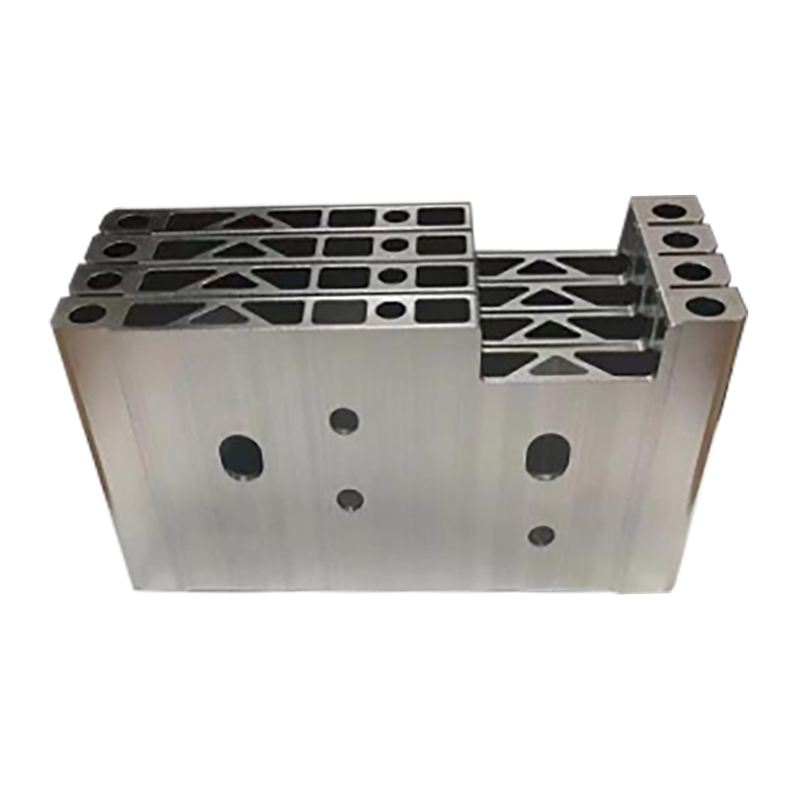
6xxx alloys are the default for extruded profiles. Silicon and magnesium combine as Mg2Si during aging to give 6063 and 6061 their useful strength. 6063 is chosen when surface quality and anodizing consistency matter, such as consumer-electronics frames and architectural trim. 6061 is stronger and more common in structural frames and industrial machine guards. In thin-wall extrusions, tight control of silicon and magnesium is critical; if either element drifts low, the section may not reach the specified hardness after aging.
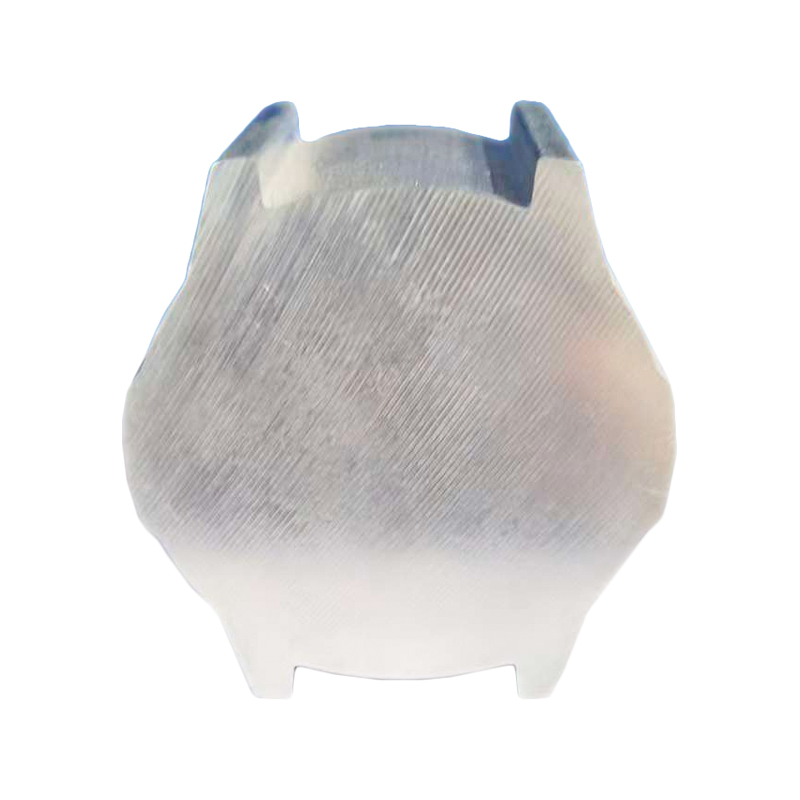
 6063 Aluminum Extrusions for Precision Consumer Electronics EnclosuresThese extrusions are engineered with 6063 alloy for excellent anodizing surface quality and complex thin-wall geometries. Achieve structural strength suitable for notebook chassis and tablet bodies, with integrated channels and post-processing like CNC machining and anodizing for premium finishes.View Product →
2xxx and 7xxx: High-Strength Aerospace Alloys
For the highest strength-to-weight ratio, 2xxx and 7xxx alloys are in a league of their own. The copper addition in 2xxx produces strong precipitation-hardened material, but at the expense of corrosion resistance and weldability. The zinc-plus-magnesium combination in 7xxx goes even further and delivers the highest strength available in commercial aluminum. Both families are common in aerospace frames and overloaded mechanical components, yet they require protective coatings and careful machining. For most commercial extrusion and sheet work, the extra cost and corrosion risk are hard to justify.
Cast Alloys: A Different Composition Game
The series above are wrought alloys, meaning they are rolled, extruded, or forged. Casting alloys follow a separate logic. In a die casting, silicon is usually the most important element. It can exceed 7% to keep the molten metal fluid in thin sections and prevent hot tearing during solidification. Common die-casting alloys like A380 and A413 contain copper and iron in controlled amounts to tune strength and die release. The downside is that cast aluminum generally has lower ductility and produces a less predictable anodized finish than wrought alloys. If the part will be CNC machined after casting, high silicon content can also accelerate tool wear. So, cast aluminum prioritizes shape complexity; wrought aluminum prioritizes mechanical consistency.
Composition in Action: 5052-H32 vs 6061-T6
Take two sheet alloys that are often confused because both can look similar off the shelf. 5052-H32 has roughly 2.2–2.8% magnesium as its main addition and no deliberate copper. It work-hardens to a moderate strength, remains ductile, and welds easily; it is a strong candidate for marine enclosures and formed parts. 6061-T6 has magnesium and silicon plus a small copper addition. The combination allows precipitation hardening to a higher yield strength, usually around 240 MPa, but the bend formability is lower and the heat-affected zone can be softer after welding. If your supplier does not state the composition and temper clearly, these two alloys can be mixed up, and the result is usually a cracked bend or failed pressure test.
How to Read a Composition Specification Without Getting Burned
Start with maximum impurity limits, not the nominal percentage. A certificate that lists only "Mg 0.6%" is incomplete. Look for an accepted standard such as ASTM B209 or EN 573, and check the allowed range for iron, copper, and "others". Two suppliers can both claim 6061, but one may be sourcing material near the high-iron side, which hurts anodizing uniformity and welding quality.
Composition also works with temper, not in isolation. 6061-O and 6061-T6 have the same chemical composition, but yield strength changes dramatically. The composition sets the upper limit of available strength; the thermal treatment decides how much of that strength is achieved. Always write the alloy and temper together in your RFQ.
- Ask for a mill test certificate with actual analysis values, not just a label.
- Check the maximum iron and copper levels if the part will be welded or anodized.
- Confirm the total "others" limit; standard specifications usually cap it at 0.05% each or 0.15% total.
- Review trace elements such as titanium and chromium when grain size or corrosion performance is critical.
When you move from material selection to production, a partner that connects material supply with processing can close the gap between composition and component. Our production and processing capability covers aluminum extrusion, CNC machining, and the in-house quality checks needed to confirm the alloy before it becomes a part.
Aluminum alloy composition is not an abstract metallurgy topic. It determines whether a bracket survives vibration, a tank resists seawater, a frame takes a bright anodized finish, or a machined surface holds its dimensional tolerance. Start with composition, use the series system to narrow your options, and verify the actual certificate before committing to production. In our experience, that discipline prevents more problems than any factory tour or supplier promise.