

 English
 Español
 عربى

DIHONG
DIHONG
DIHONG
DIHONG
DIHONG
DIHONG
DIHONG
DIHONG
DIHONG
DIHONG
DIHONG
DIHONG
DIHONG
DIHONG
DIHONG
DIHONG
Content
Aluminum surface finishes are about much more than appearance. The right finish protects against corrosion, improves wear resistance, prepares the surface for adhesives or paint, and gives products a distinctive look and feel. Whether you are specifying aluminum sheet, custom extrusion profiles, or precision machined components, a practical understanding of finishing options helps you make confident decisions and avoid costly rework further down the line.
Why Aluminum Surface Finishes Matter
Bare aluminum naturally develops a thin oxide film that offers limited protection, but that film is easily scratched, uneven after machining, and can vary from batch to batch. Finishing eliminates these inconsistencies and adds measurable performance to the part.
- An anodized layer hardens the surface and provides durable color.
- Powder coating adds impact resistance and protects outdoor equipment.
- Mechanical finishing creates a controlled texture that hides fingerprints and wear.
- Conversion coatings improve paint adhesion and corrosion protection on tight-tolerance parts.
The choice of finish should be made early in the design phase, because it influences dimensional tolerances, masking requirements, and overall part cost. For buyers who source aluminum sheet and coil, it is equally important to confirm that the material itself has a consistent, defect-free surface before any secondary finishing is applied.
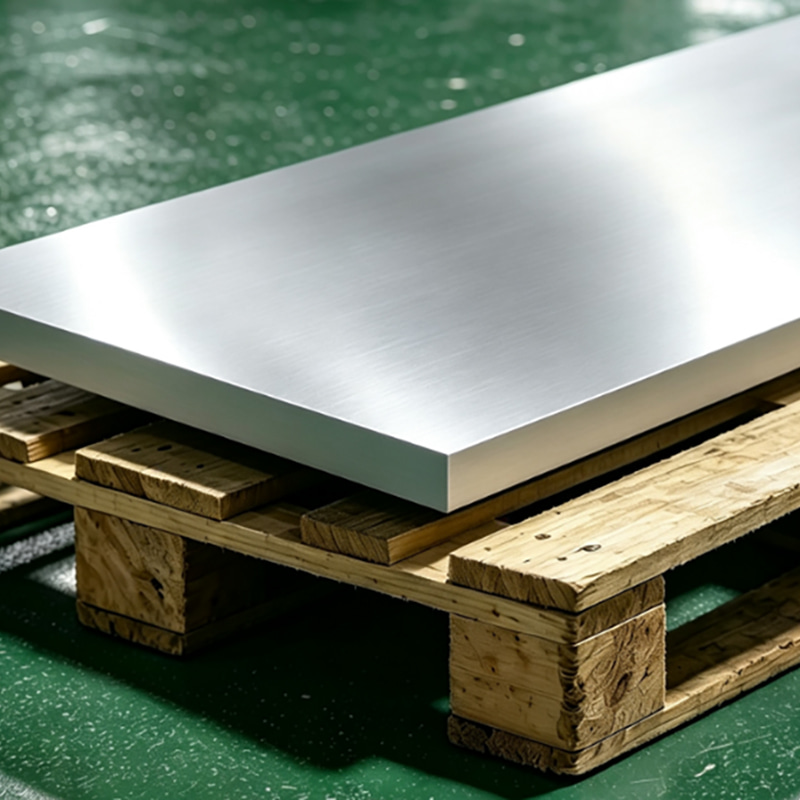
 Aluminum Sheet and Coil in Multiple Alloy SeriesThis supplier covers 1XXX to 7XXX alloys with thicknesses up to 200 mm and widths to 2,600 mm, ensuring a consistent base material before any mechanical finishing process is applied.View Product →
Mechanical Finishes
Mechanical finishing alters the physical surface of aluminum using abrasives, impact media, or polishing compounds. It is used alone as a final finish or as preparation for anodizing and painting.
Brushing
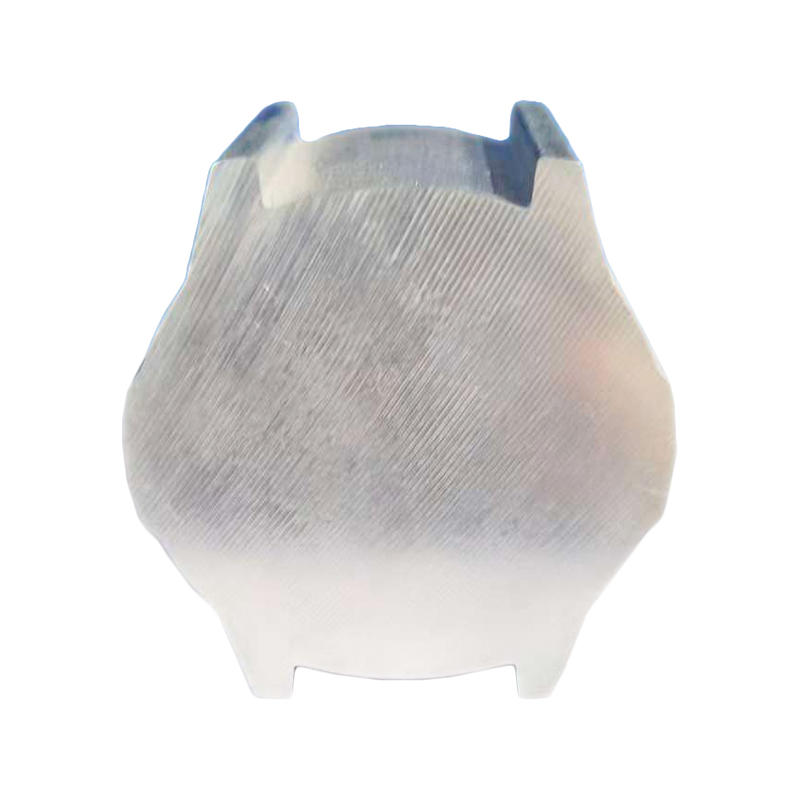
Brushing produces a fine, linear satin grain using abrasive belts or non-woven pads. This finish is widely specified for consumer electronics, kitchen appliances, and architectural trim because it delivers a clean, understated look and does a good job of hiding minor scratches accumulated during daily use.
Polishing
Polishing progressively refines the surface by moving through increasingly fine abrasive grits to achieve a bright, mirror-like appearance. Polished aluminum is common in decorative hardware, lighting reflectors, and automotive accents. When a true mirror finish is required on machined parts, additional buffing with fine abrasive compounds is typically necessary.
Bead Blasting
Bead blasting propels fine glass beads against the aluminum surface to create a uniform matte texture while removing light machining marks and contamination. The diffuse finish reduces glare and gives parts a consistent engineered look, making it a common choice for machined housings and structural components in semiconductor and automation equipment.
Anodizing
Anodizing is an electrochemical process that thickens the natural oxide layer on aluminum. The part is immersed in an acid electrolyte bath under a controlled electric current, creating a porous oxide layer that can be sealed or dyed. Because the oxide is integral to the aluminum substrate, anodized finishes will not peel or flake.
Type II anodizing produces a decorative and protective layer typically 5 to 25 microns thick and accepts a wide range of dye colors. Type III, or hard anodizing, creates a much thicker and denser layer from 25 to 150 microns, offering outstanding wear resistance for aerospace and industrial applications. For custom-extruded profiles, anodizing is often the preferred finish because it preserves dimensional detail while adding durability and a premium feel.
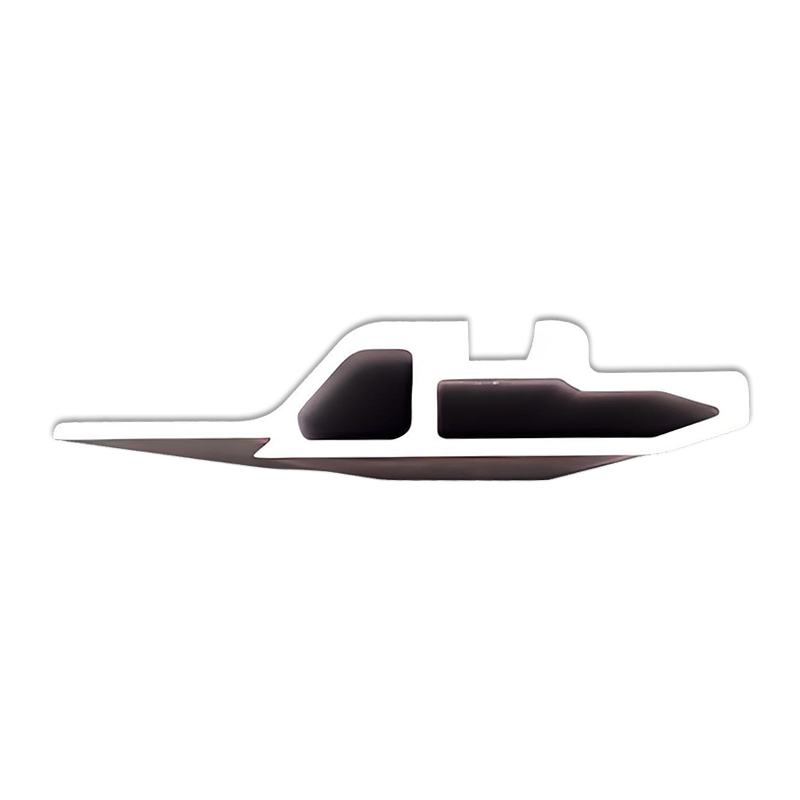
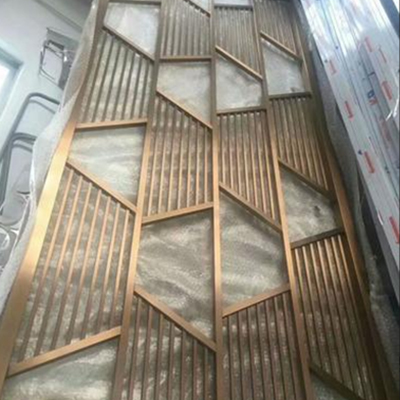
 Custom Aluminum Extrusion for Precision ProfilesIdeal when anodizing is preferred for extruded parts, this capability offers in-house die development and post-extrusion processing to preserve dimensional detail while adding durability.View Product →
Chemical Finishes
Chemical finishing uses controlled chemical reactions rather than abrasives to modify the aluminum surface. Two processes are especially common.
Bright Dipping
Bright dipping immerses aluminum in a heated acid solution, typically containing phosphoric and nitric acids, to smooth the surface on a microscopic level and produce a highly reflective finish. It is often followed by anodizing to protect the brightened surface. Bright-dipped parts appear in lighting reflectors, decorative trim, and automotive brightware.
Chromate Conversion Coating
Chromate conversion coating, sometimes referred to as alodine, applies a thin chemical layer that provides excellent corrosion resistance and a strong base for painting. Chromate and non-chromate formulations are available to meet environmental requirements. Aerospace and defense specifications frequently call for conversion coatings because they protect aluminum without adding measurable thickness or affecting tight tolerances.
Organic Coatings
Organic coatings add a paint-like layer to the aluminum surface, offering broad color selection, excellent corrosion protection, and the option of textured or metallic appearances.
Powder Coating
Powder coating applies a dry, electrostatically charged powder that is cured in an oven to form a tough, uniform film. It is thicker than liquid paint, typically 60 to 120 microns, and provides outstanding impact and scratch resistance. Powder coating is a go-to choice for aluminum enclosures, outdoor furniture, photovoltaic mounting frames, and many industrial products.
PVDF Coating
PVDF, or polyvinylidene fluoride, is a high-performance liquid coating applied by roller or spray and baked to create a durable, color-retentive film. Its resistance to weathering, chalking, and fading makes it the standard for architectural facades, curtain walls, and exterior building components that must hold their appearance for decades.
Liquid Paint
Conventional liquid paints remain a flexible and economical option, particularly for lower-volume production or complex geometries. Advances in waterborne and low-VOC formulations have improved their environmental profile while maintaining good adhesion and gloss control.
Aluminum Finishes at a Glance
The table below compares the most common aluminum surface finishes across the criteria that matter most when selecting a finish for production.
| Finish Type | Process | Durability | Corrosion Resistance | Typical Applications |
|---|---|---|---|---|
| Mill Finish | None after rolling or extrusion | Low | Moderate | Non-visible structural parts |
| Brushed | Abrasive belt or pad | Medium | Moderate | Consumer electronics, trim |
| Bright Dipped | Chemical polishing | Medium | Moderate | Lighting reflectors, trim |
| Anodized Type II | Electrochemical oxidation | High | High | Architecture, electronics |
| Hard Anodized Type III | Thick electrochemical oxidation | Very High | Very High | Aerospace, industrial machinery |
| Powder Coating | Electrostatic spray and oven cure | High | High | Outdoor enclosures, mounting frames |
| PVDF Coating | Roller or spray applied fluoropolymer | High | Very High | Architectural facades |
| Conversion Coating | Chemical dip, chrome or non-chrome | Medium | High | Aerospace, adhesion primer |
Surface Finish for Machined Aluminum Parts
When aluminum components are machined, surface finish is often expressed as an Ra value, the arithmetic average of surface roughness in micrometers or microinches. A general machining finish commonly falls between 32 and 63 Ra. High-spec applications such as aerospace, medical devices, and optical components frequently demand tighter values, sometimes below 16 Ra, which calls for optimized tool paths, sharp inserts, proper coolant use, and occasionally secondary processes like vibratory finishing or polishing. Understanding the precision and material standards that matter for CNC parts can help you set realistic finish expectations before production begins.
Achieving a consistent surface finish on machined parts is not only about the final pass. Aluminum grade, spindle speed, feed rate, tool geometry, and fixture rigidity all influence the result. Working with a machining partner who understands these variables is critical when finish requirements are tight. Poor surface finish can lead to premature wear, stress concentration, and rejection at final inspection, so it pays to align on finish specifications early.
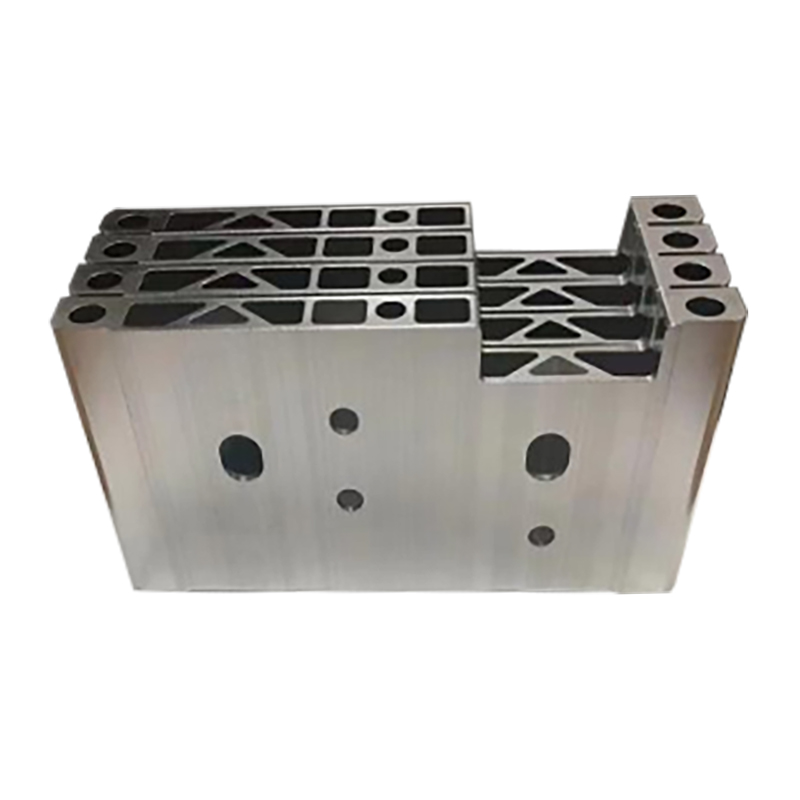
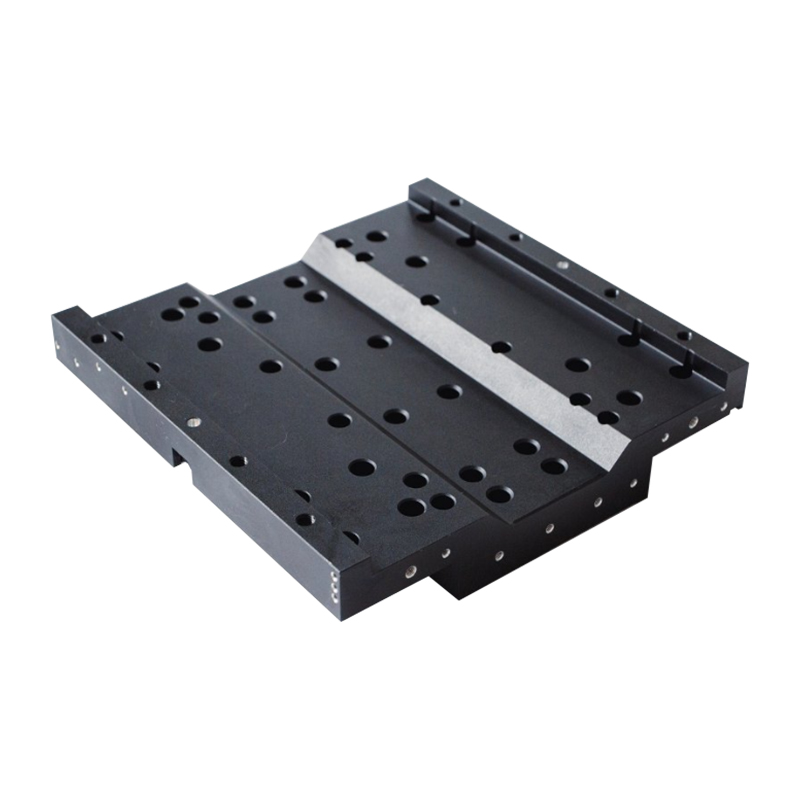 CNC Precision Machining for High-Tech IndustriesWith multi-axis milling and tight tolerance control, this partner supports aerospace and semiconductor applications where surface finish directly affects part performance and inspection.View Product →
How to Choose the Right Aluminum Surface Finish
Selecting the right finish comes down to four practical questions.
- What environment will the part face? Outdoor exposure, marine atmospheres, and chemical contact demand high corrosion resistance, pointing toward anodizing, PVDF, or powder coating.
- What level of wear is expected? Hard anodizing is the best choice for sliding contact or high-wear applications.
- What appearance do you need? Brushed and polished finishes create metallic aesthetics, anodizing offers a broad color palette, and powder coating can create textured or matte effects.
- What are the geometry and production volume? Sheet and coil is often painted or anodized in continuous processes, extruded profiles take well to anodizing and powder coating, and machined parts may require masking or secondary finishing steps.
It is also worth considering whether the finish must meet industry standards. Aerospace, automotive, and electronics customers often specify not only the finish type but also the test methods and acceptance criteria. Sharing the full context with your supplier early prevents misalignment and keeps your project on schedule.
Partner With a Supplier Who Knows Finishing
As an integrated aluminum company, Suzhou Dihong Aluminum combines aluminum sheet and coil supply, custom extrusion, and CNC precision machining under one roof. That means finish requirements are evaluated from the material stage through to the finished component, with a clear view of how surface quality affects downstream operations. Our team regularly supports customers in aerospace, consumer electronics, photovoltaic, and industrial automation with finish selection and practical production advice. If you are developing a new part or improving an existing one, bring us into the conversation early. Experience across the full production and processing chain helps you specify accurately, control cost, and deliver consistent quality from prototype to volume production.