

 English
 Español
 عربى

DIHONG
DIHONG
DIHONG
DIHONG
DIHONG
DIHONG
DIHONG
DIHONG
DIHONG
DIHONG
DIHONG
DIHONG
DIHONG
DIHONG
DIHONG
DIHONG
Content
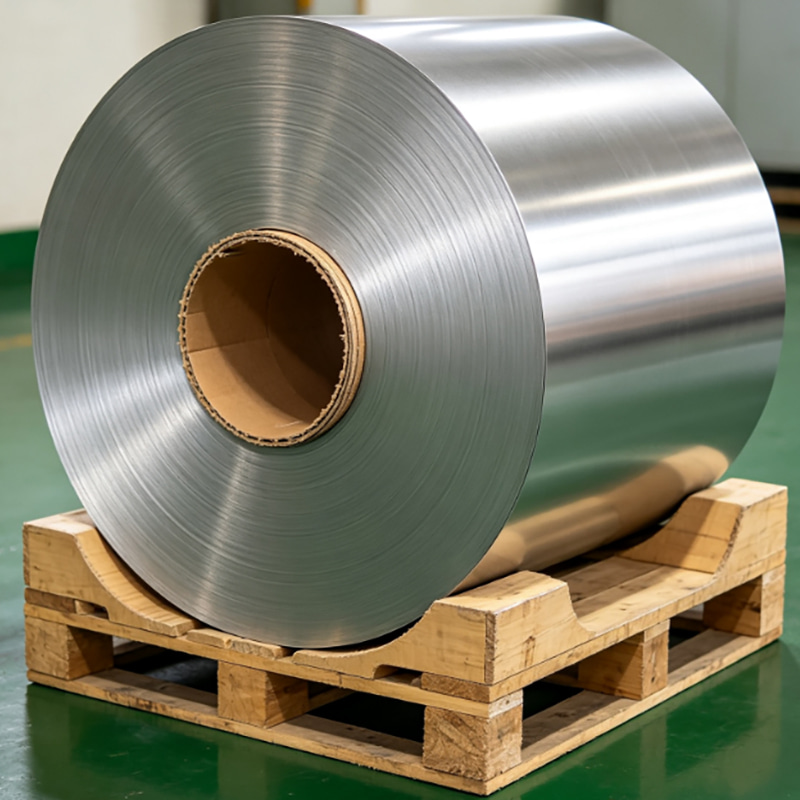
When engineers and procurement professionals evaluate materials for structural or precision components, the flexural modulus of an aluminum alloy often becomes a deciding factor. For 6062 aluminum, the flexural modulus—measured in psi—directly influences how the material behaves under bending loads. At DIHONG Aluminum, we’ve worked with 6xxx series alloys for over a decade, supplying sheet, coil, custom extrusions, and CNC-machined parts to industries ranging from aerospace to consumer electronics. In this article, we break down what the flexural modulus of 6062 aluminum means, how it compares to other alloys, and how you can leverage it in your next project.
What Is 6062 Aluminum Alloy?
6062 is a magnesium-silicide type aluminum alloy that sits within the 6xxx family, known for excellent extrudability, good corrosion resistance, and a balanced combination of strength and formability. Its chemical composition is similar to 6061, with slight adjustments to magnesium and silicon content, which gives it enhanced response to heat treatment and improved anodizing characteristics. Common tempers include T4, T6, and T651, each offering different mechanical properties. While 6062 is not as widely standardized as 6061, it remains a popular choice for structural sections, architectural profiles, and precision-machined parts where moderate to high strength is needed.
Understanding Flexural Modulus in Psi
Flexural modulus, also known as bending modulus, measures a material’s stiffness when subjected to bending—essentially its resistance to deformation under load. For 6062 aluminum alloy, the flexural modulus typically falls in the range of 9.9 to 10.2 × 10⁶ psi (68–70 GPa), depending on the specific temper and processing conditions. This value is nearly identical to 6061’s elastic modulus because both alloys share a similar base modulus dictated by aluminum’s inherent stiffness. In practical terms, a flexural modulus of 10 million psi means a 6062 beam will deflect about one-tenth as much as a plastic part of the same geometry under the same load. For designers, this translates into predictable springback behavior in forming operations and reliable load‑bearing performance in structural applications.
Comparison with Common Aluminum Alloys
To put the flexural modulus of 6062 into context, it helps to compare it with other widely used aluminum alloys. The table below summarizes typical values for 6062 (T6), 6061 (T6), 7075 (T6), and 5052 (H32). While the modulus varies only slightly among these alloys due to aluminum’s intrinsic stiffness, differences in yield strength and hardness often drive alloy selection for specific use cases.
| Alloy & Temper | Flexural Modulus (×10⁶ psi) | Yield Strength (psi) | Ultimate Tensile Strength (psi) | Hardness (Brinell) |
|---|---|---|---|---|
| 6062‑T6 | 10.0 | 39,000 | 45,000 | 95 |
| 6061‑T6 | 10.0 | 40,000 | 45,000 | 95 |
| 7075‑T6 | 10.4 | 73,000 | 83,000 | 150 |
| 5052‑H32 | 10.0 | 28,000 | 33,000 | 60 |
As the table shows, the flexural modulus remains consistent across the 6xxx and 5xxx families, while 7075 offers a slightly higher modulus due to its zinc‑rich composition. However, 6062 provides a better balance of extrudability and corrosion resistance than 7075, making it a frequent choice for profiles that require both stiffness and environmental durability.
Common Tempers of 6062 and Their Effect on Flexural Modulus
The flexural modulus of 6062 aluminum is largely unaffected by temper because it is an elastic property; however, temper influences yield strength and ductility, which affect how the material behaves near its elastic limit. The most common tempers for 6062 are:
- T4 – Solution heat‑treated and naturally aged. Provides moderate strength and good formability. Flexural modulus remains at ~10.0 × 10⁶ psi but the alloy can undergo more plastic deformation before fracture.
- T6 – Solution heat‑treated and artificially aged. Offers the highest strength for 6062 while maintaining the same modulus. Preferred for structural parts requiring maximum load capacity.
- T651 – Stress‑relieved after solution treatment and stretched to reduce residual stresses. Ideal for precision‑machined components where dimensional stability after machining is critical.
When specifying 6062 for a project, consider not only the modulus but also the temper that best matches your forming, welding, or finishing operations.
Why Choose DIHONG for Your 6062 Needs?
Having worked with 6xxx series alloys since our founding in 2014, we at DIHONG Aluminum understand the nuances of sourcing and machining 6062. Our facilities in Suzhou and Wuxi cover over 21,000 square meters and include fully controlled extrusion lines, precision saws, and multi‑axis CNC centers. We supply 6062 sheet, coil, custom‑extruded profiles, and finished parts to clients in aerospace, medical devices, consumer electronics, and beyond.
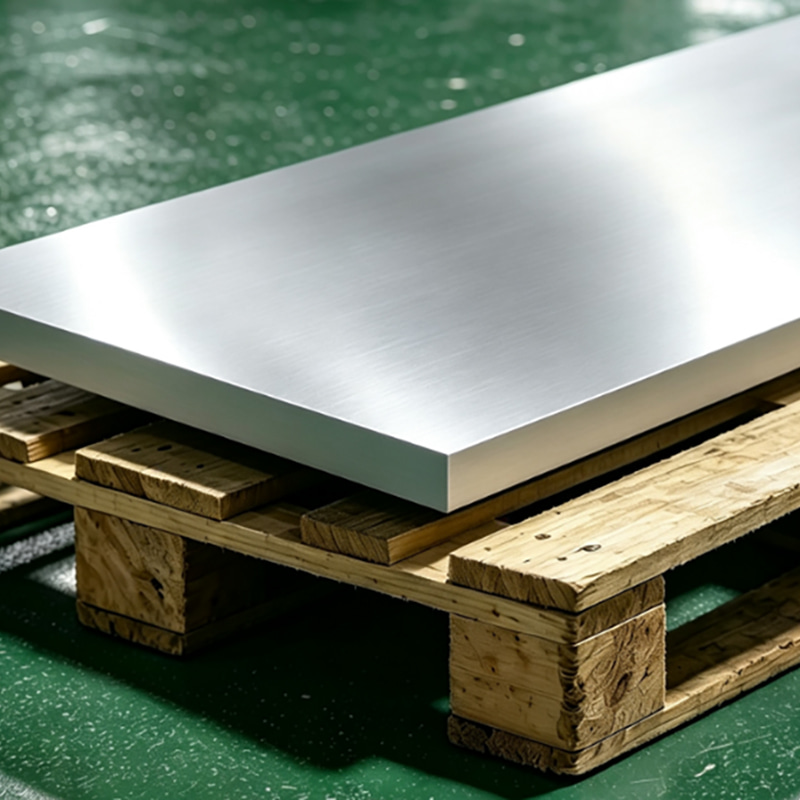
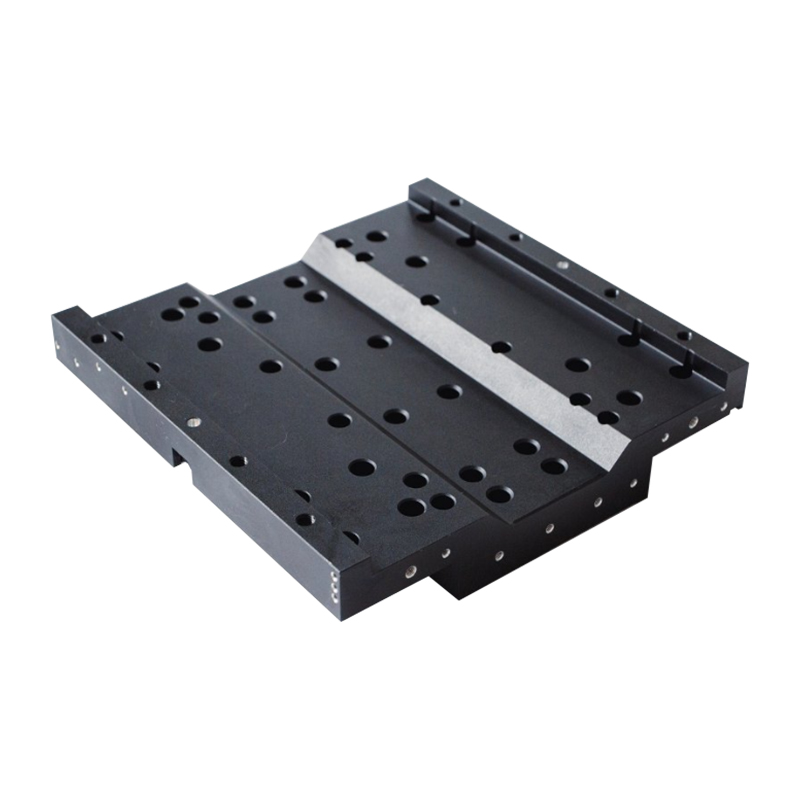 6XXX Series Aluminum-Silicon Alloy Sheet and PlateIdeal for projects requiring moderate strength and good workability, this 6XXX series sheet is available in alloys like 6061 and 6063 with various tempers, supported by in-house CNC machining for ready-to-install components.View Product →
Whether you need standard sheet thicknesses or a complex extrusion cross‑section, our team can help you select the right temper and finish. We also support in‑house CNC machining to turn extrusions into ready‑to‑install components.
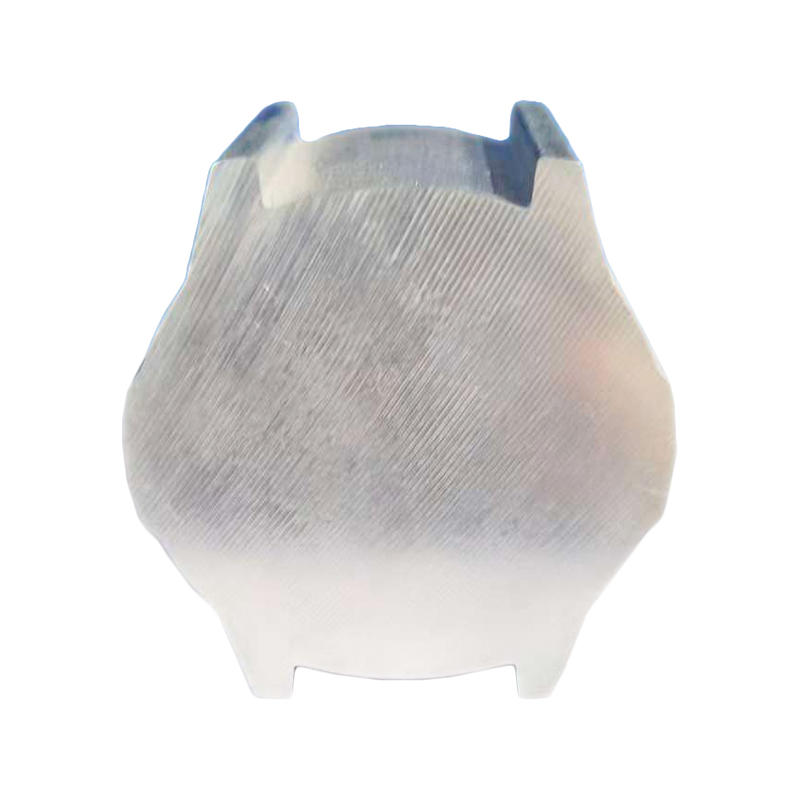
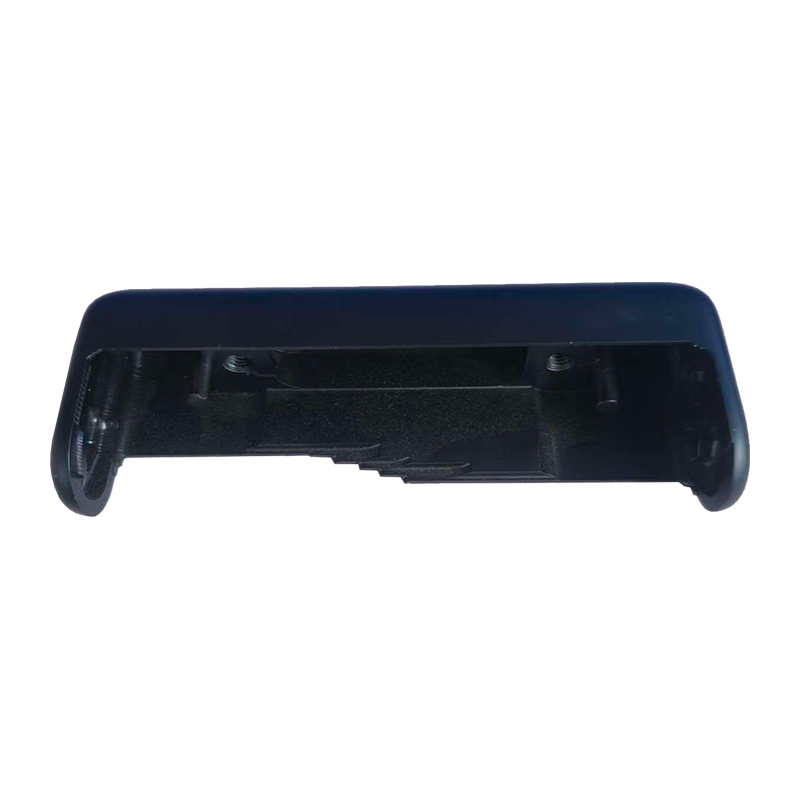
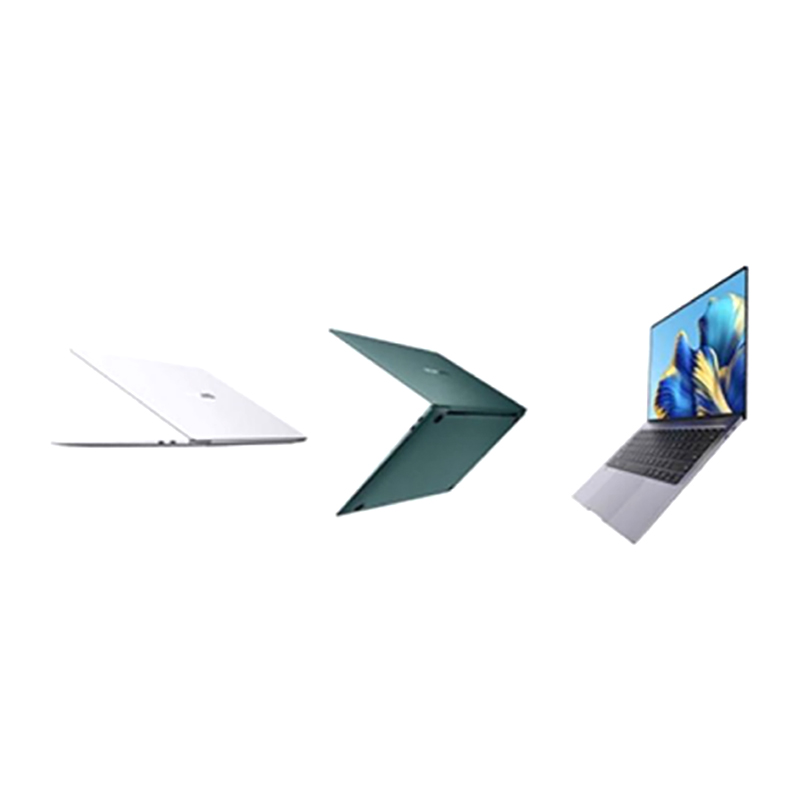 Aluminum Extrusion for Consumer ElectronicsPrecision 6063 extrusions designed for ultra-thin laptop chassis and tablet bodies, offering high surface quality after anodizing, tight tolerances, and integrated functional channels to simplify assembly.View Product →
Our engineering team regularly advises on alloy selection, tolerance stacking, and cost‑effective processing. For projects that demand consistent flexural modulus and reliable supply, we provide material certifications and full traceability.
Practical Applications of 6062 Aluminum
Thanks to its favorable flexural modulus and moderate strength, 6062 aluminum is found in:
- Aerospace interiors – Seat rails, overhead bin frames, and air‑duct profiles where weight savings and fire resistance are mandatory.
- Consumer electronics – Housings and structural brackets for laptops, tablets, and wearable devices that require a premium finish and precise flatness.
- Energy storage systems – Battery module enclosures and busbar supports that combine stiffness with thermal conductivity.
- Automotive lightweighting – Chassis components and cross beams in new energy vehicles, leveraging the alloy’s extrudability to create complex hollow sections.
Our experience across these industries has taught us that the flexural modulus is rarely a limiting factor for 6062; instead, the ability to design and deliver tight‑tolerance extrusions and machined parts makes the difference. That’s why we invest in high‑pressure extrusion presses and 5‑axis machining centers to meet demanding specifications.
In summary, the flexural modulus of 6062 aluminum alloy in psi is approximately 10.0 × 10⁶, a value that remains stable across common tempers and makes it an excellent choice for structural and aesthetic parts. By pairing this understanding with DIHONG’s integrated supply chain—from raw material to finished component—you can reduce cycle times and ensure consistent product performance. If you have a specific 6062 requirement or need help comparing it with other alloys, our technical team is ready to assist.