|
Core Requirement
|
Technical Implementation
|
Value Delivered / Application
|
|
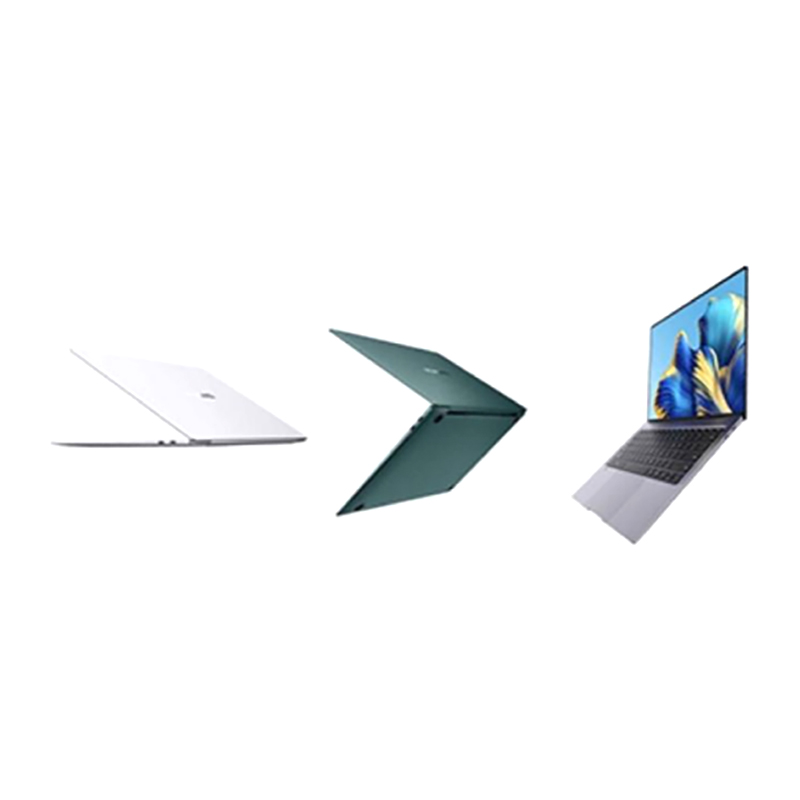
Primary material is 6063-grade aluminum alloy, suited for ultra-thin laptop chassis structural components; supporting materials meet common consumer electronics industry standards
|
Uses 6063-T5/T6 temper aluminum alloy; precise heat treatment delivers stable mechanical properties, with high material purity and low impurity content suited to precision machining requirements
|
Provides a stable material foundation for ultra-thin laptop chassis, balancing lightweight design, high strength, and precision machining performance — a core material choice for slim laptop design
|
|
Tensile strength ≥240 MPa; yield strength ≥190 MPa; elongation ≥8%; chassis structural rigidity withstands a 1.2 m free-fall drop without plastic deformation
|
6063 aluminum alloy achieves a balance of high strength and high toughness through solution treatment plus artificial aging, combined with reinforcing rib structural design to distribute loads and improve overall impact and deformation resistance
|
Ensures laptop chassis structural integrity during daily use, drops, and impacts, preventing housing cracking or deformation, and significantly improving device lifespan and reliability
|
|
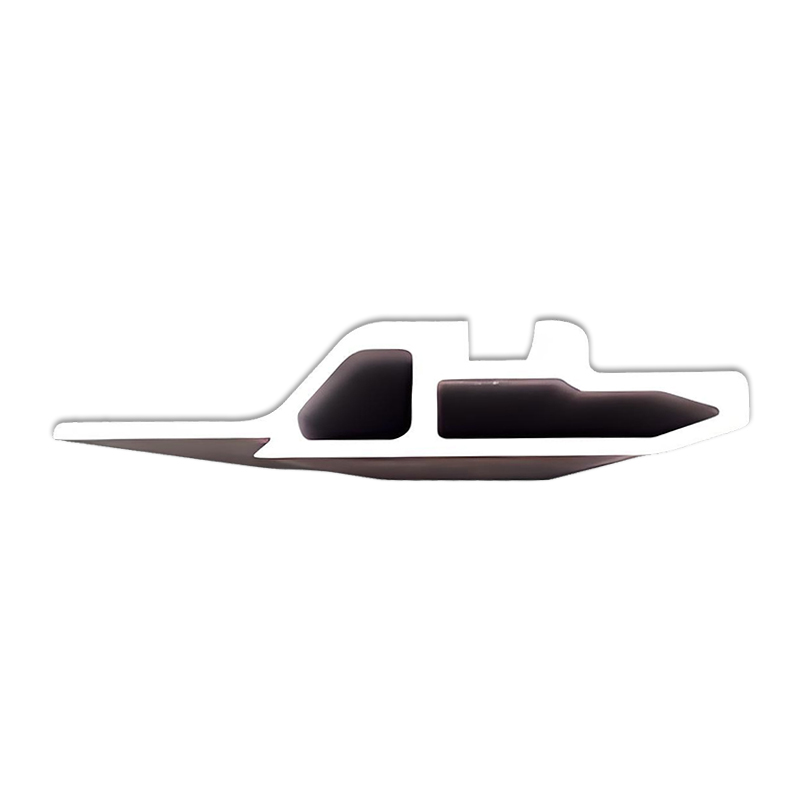
Chassis wall thickness as thin as 0.8 mm, overall lightweight structure, suited to slim laptop design requirements
|
6063 aluminum alloy offers excellent plasticity and formability, enabling integrated forming of ultra-thin wall sections while maintaining structural strength and significantly reducing chassis weight and thickness
|
Helps laptops achieve a slimmer, lighter design and improve portability without sacrificing structural strength, meeting the design needs of high-end ultrabooks
|
|
Surface finish Ra ≤0.8 μm, free of scratches, burrs, color variation, or oxidation defects; supports anodizing, sandblasting, precision CNC engraving and other processes; surface hardness ≥3H, wear- and scratch-resistant
|
6063 aluminum alloy surfaces are compatible with a range of fine surface treatment processes; anodizing forms a dense oxide film that improves surface hardness and wear resistance, while sandblasting produces a uniform matte texture
|
Maintains freedom from scratches, discoloration, oxidation, and aging over long-term use, preserving device appearance and premium feel, and enhancing the user experience and aesthetics
|
|
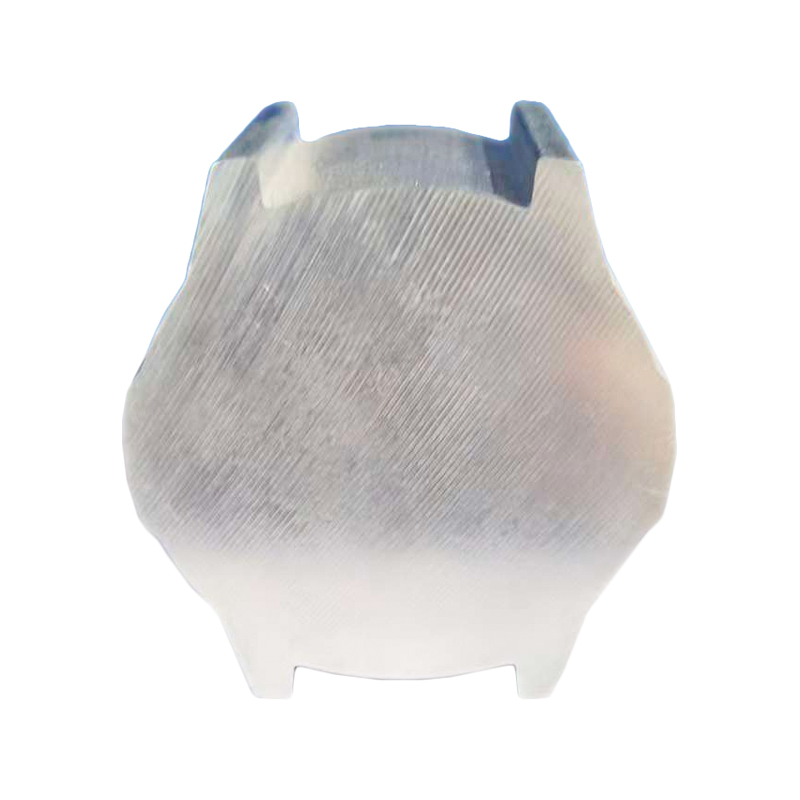
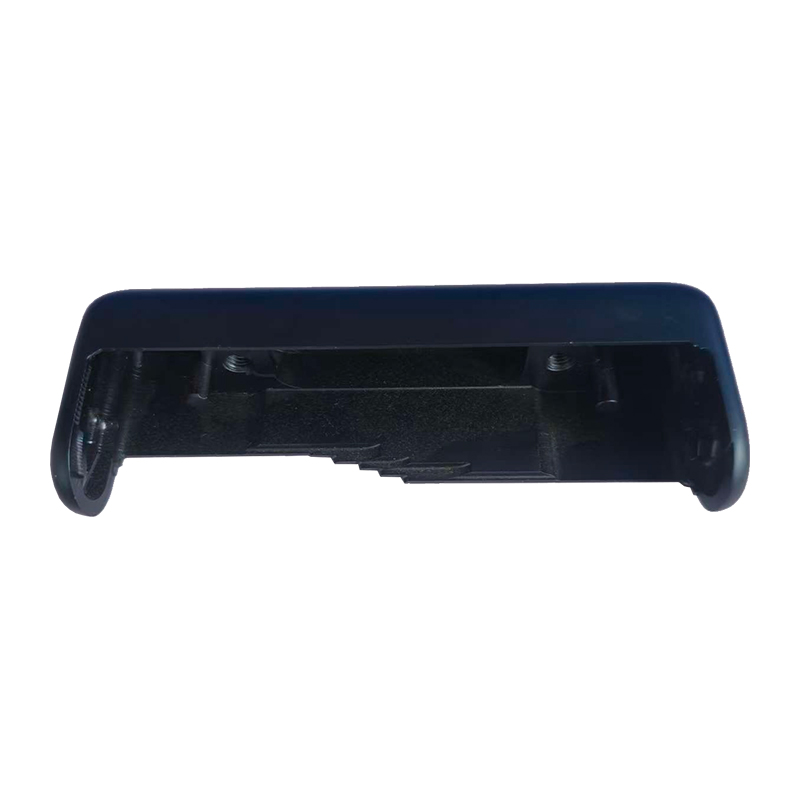
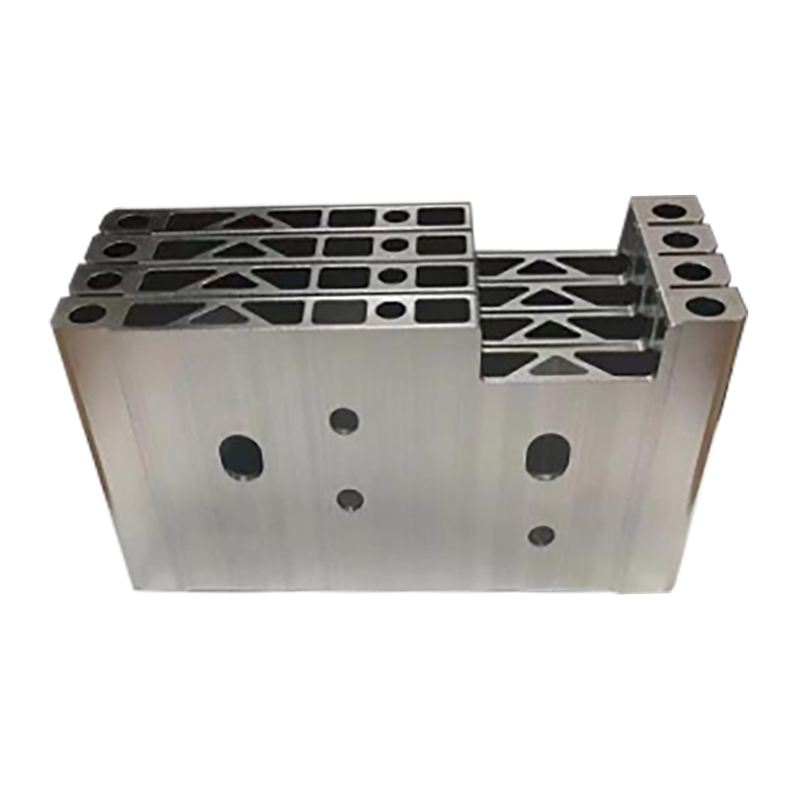
Excellent machinability enabling high-precision CNC machining, meeting the processing requirements of precision laptop chassis structural components
|
6063 aluminum alloy has low cutting resistance and good chip evacuation, enabling high-speed, high-precision CNC machining, ideal for machining precision features such as screw holes, ports, and latches in laptop chassis
|
Ensures precise assembly of all laptop chassis components, avoiding loose fits or uneven gaps caused by excessive tolerances, and improving production yield and assembly precision
|
|
Withstands temperature cycling from -40°C to 85°C, resistant to sweat corrosion, anti-aging; no deformation or cracking after long-term use, suited to all laptop use environments
|
6063 aluminum alloy offers excellent weathering and corrosion resistance; surface treatment can further improve sweat and salt-spray resistance, suiting use environments across different regions worldwide
|
Effectively withstands temperature changes and sweat exposure encountered in daily use, ensuring long-term chassis stability and preventing deformation, corrosion, or cracking
|
|
Complies with RoHS and REACH environmental regulations; recyclability ≥90%; no release of hazardous substances; meets domestic and international consumer electronics environmental access standards
|
6063 aluminum alloy is a recyclable metal material; the production process releases no heavy metals or hazardous volatiles, meeting environmental compliance requirements of major global markets throughout its lifecycle
|
Meets environmental access requirements for domestic and international consumer electronics markets, reducing product compliance risk while aligning with green manufacturing and sustainable development trends
|


 English
 Español
 عربى
عربى