

 English
 Español
 عربى

DIHONG
DIHONG
DIHONG
DIHONG
DIHONG
DIHONG
DIHONG
DIHONG
DIHONG
DIHONG
DIHONG
DIHONG
DIHONG
DIHONG
DIHONG
DIHONG
Content
On October 20, 2026, the State Council Information Office held a press conference on China's industrial and IT development in the first three quarters of the year. For the non-ferrous metals sector, the headline was clear: the Ministry of Industry and Information Technology (MIIT) will revise the industry standards and entry requirements for copper, aluminum, and related sectors, with the firm aim of curbing low-level duplicate construction. At Suzhou Dihong Aluminum, we have been following the announcement closely, because China aluminum industry standards shape how our customers choose and qualify suppliers.
What Did MIIT Announce for the Non-Ferrous Metals Industry?
MIIT spokesperson Tao Qing, who also heads the ministry's Operation Monitoring and Coordination Bureau, said the ministry will keep working on stable growth and industrial transformation to support high-quality development of non-ferrous metals. The work centers on three priorities.
1. Stronger policy guidance
- Implement the 15th Five-Year Plan for raw materials and the high-quality development plans for aluminum and copper
- Draw up an innovation and development plan for the magnesium industry
- Coordinate policies across departments to expand the use of quality products in new energy, high-end equipment, and the low-altitude economy
2. Faster industrial upgrading
- Carry out major new-materials programs and push key technology breakthroughs in high-end materials
- Make fuller use of the green and low-carbon public service platform for the industry
- Issue an implementation guide for "AI + non-ferrous metals" and a guide for building the industry's standards system
3. Tighter capacity governance
- Monitor and warn of capacity risks for key products
- Strictly enforce the electrolytic aluminum capacity replacement policy
- Tightly control new alumina and copper smelting capacity
- Revise the industry standards and entry requirements for copper, aluminum, and other sectors to curb low-level duplicate construction and build a fair, healthy, and orderly market
Why Do Safety, Consistency, and Smart Manufacturing Matter?
The same briefing also covered manufacturing quality more broadly. MIIT chief engineer Wang Weiming described safety as the lifeline and core competitiveness of automakers and said no R&D activity should come at the expense of safety. The ministry plans to speed up the drafting and revision of related standards, tighten checks on production consistency and on testing institutions, and supervise the whole chain from market entry to after-the-fact inspection.
Wang also outlined a push for industrial intelligence: building high-quality industrial data sets, developing specialized industrial models, and testing industrial AI in smart scheduling, parameter tuning, defect detection, and equipment maintenance, with proven applications rolled out one at a time.
What Does This Mean for Aluminum Buyers?
The detailed text of the revised standards has not yet been released, so it is too early to say which technical requirements will change. The direction, however, is easy to read. Capacity will be managed more tightly, and quality systems, consistency, and traceability will count for more than sheer volume.
For buyers of aluminum sheet, coil, extrusion profiles, and machined parts, we see three practical steps:
- Ask suppliers for mill certificates and mechanical test reports on every critical batch.
- Confirm that the supplier's quality system covers your industry, such as automotive or precision equipment.
- Check that alloy chemistry and temper are stable from batch to batch, especially for formed or machined parts.
These checks matter for every grade, from general sheet alloys to structural ones. Our guide to aluminum 5052 properties shows how composition, temper, and test data translate into real fabrication results.
How Is Dihong Aluminum Responding?
Founded in 2014, Suzhou Dihong Aluminum has grown from an aluminum distributor into an enterprise that combines aluminum supply, extrusion, CNC machining, and precision stamping. We operate production bases in Huishan, Wuxi, and Wujiang, Suzhou, and serve 3C electronics, photovoltaics, new energy vehicles, medical equipment, and aerospace.
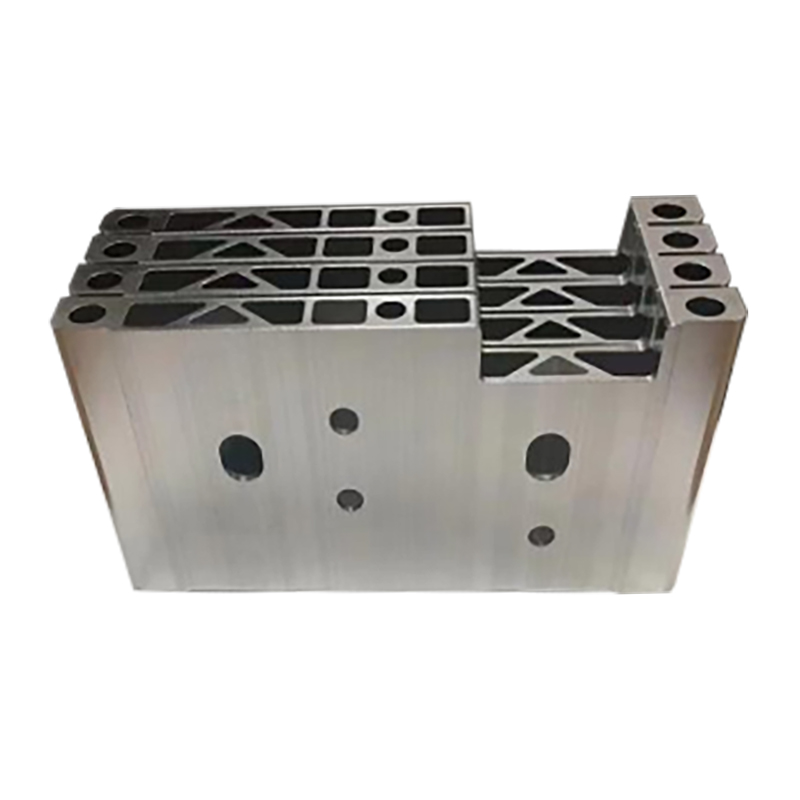
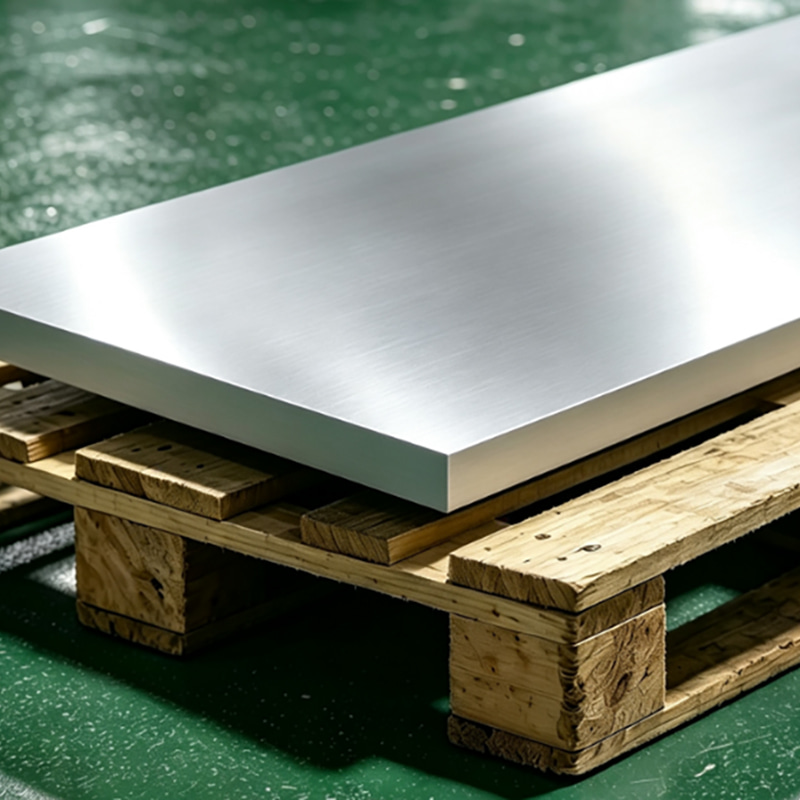
As an aluminum sheet and coil supplier, we provide 6061, 5052, 7075, and other alloy series, so customers can control material quality from the source. Our five extrusion lines hold tolerances up to ±0.1 mm, and more than 100 CNC machines plus coordinate measuring machines support precision machining and inspection. Quality management runs under ISO9001 and IATF 16949 systems, and the company is accredited as a National High-Tech Enterprise. You can review our certifications for details.
We welcome a market that rewards consistent quality and responsible capacity. For customers, that means the same thing we have always aimed for: documented material quality, stable delivery from our Wuxi and Suzhou bases, and technical support from raw material through machining. If you are planning a new project or reviewing your aluminum supply chain, explore our aluminum sheet and coil range or contact our team to discuss your requirements.