

 English
 Español
 عربى
عربى
DIHONG
DIHONG
DIHONG
DIHONG
DIHONG
DIHONG
DIHONG
DIHONG
DIHONG
DIHONG
DIHONG
DIHONG
DIHONG
DIHONG
DIHONG
DIHONG
Content
- 1 Understanding the 6XXX Series: A Practical Overview
- 2 How Alloying Elements Shape Performance
- 3 Why Conductive-Grade Variants Handle Copper Differently
- 4 6061-T6: The Series' Workhorse Temper
- 5 Comparing the Common 6XXX Grades
- 6 Formability and Weldability in Real Production Settings
- 7 Surface Finish and Coloring Performance
- 8 Selecting the Right Grade for a Given Application
Understanding the 6XXX Series: A Practical Overview
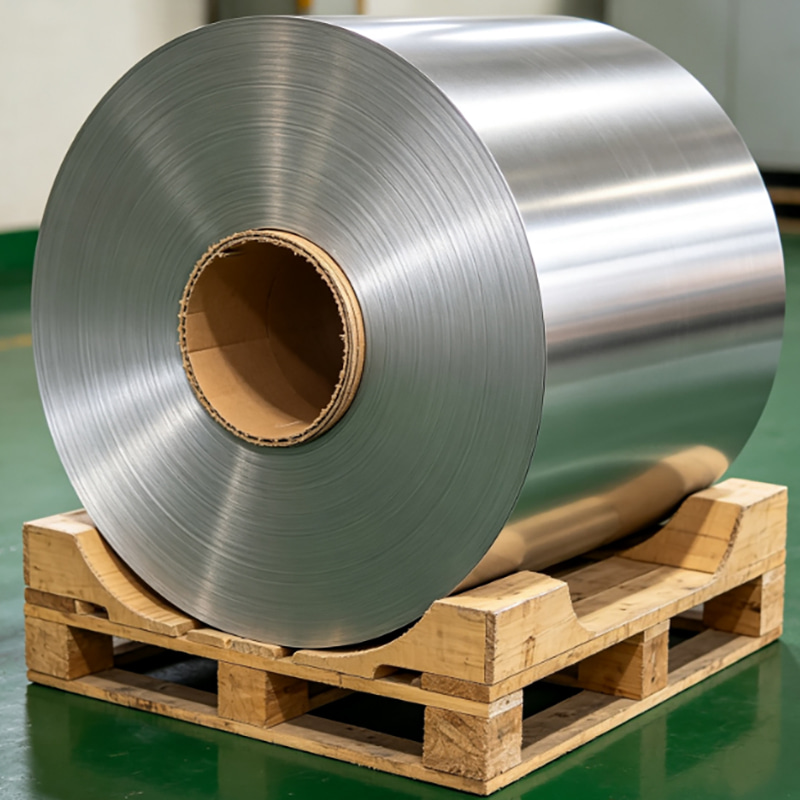
Aluminum-silicon alloy sheet and plate from the 6XXX series — including 6061, 6063, 6101, and 6082 — occupies a specific and useful position in aluminum alloy selection. These are heat-treatable alloys built around magnesium and silicon as the primary alloying elements, which combine to form the Mg2Si phase responsible for the series' defining characteristic: artificial age-hardening. This gives the alloy meaningful strength gains through heat treatment without sacrificing the formability, weldability, and machinability that make it easy to work with in production.
Unlike alloy families built for maximum strength, the 6XXX series is chosen because it balances mechanical performance with workability. It remains formable even after annealing, which matters for manufacturers running multi-stage processing where the material needs to stay cooperative through several forming or bending operations rather than becoming brittle after the first heat cycle.
How Alloying Elements Shape Performance
The mechanical and physical properties of 6XXX series alloys come down to a carefully controlled mix of elements, each added for a specific reason rather than as a generic strength booster.
Magnesium and Silicon
Magnesium and silicon are the foundation of the alloy system, combining to form Mg2Si, which dissolves into the aluminum matrix and enables the age-hardening response. This is what allows 6XXX alloys to reach useful strength levels through heat treatment rather than relying purely on cold working.
Manganese and Chromium
Iron is an unavoidable trace element in aluminum production, and left unmanaged it can form brittle intermetallic phases that hurt toughness. Manganese and chromium are added specifically to neutralize these detrimental effects of iron, keeping the alloy's mechanical properties consistent even when iron content varies slightly between production batches.
Copper and Zinc
Small additions of copper or zinc are sometimes used to push the alloy's strength higher without meaningfully reducing corrosion resistance — a trade-off that has to be managed carefully, since larger additions of either element would compromise the alloy's natural resistance to environmental degradation.
Zirconium and Titanium
Zirconium or titanium is added in small amounts to refine grain structure and control recrystallization during processing. Finer, more uniform grain structure translates directly into more predictable mechanical behavior and better surface finish after forming.
Lead and Bismuth
In alloys destined for heavy machining, small additions of lead and bismuth improve machinability by helping the material form shorter, more manageable chips during cutting, reducing tool wear and improving surface finish on machined parts.
Why Conductive-Grade Variants Handle Copper Differently
For 6XXX alloys intended for electrical or conductive applications, the compositional priorities shift slightly. These conductive-grade variants also contain small amounts of copper, but here the copper's role is to offset the adverse effects that titanium and iron have on electrical conductivity rather than to boost mechanical strength. This distinction matters when selecting material for busbars, conductor rail systems, or other applications where conductivity is a primary performance requirement rather than a secondary consideration.
6061-T6: The Series' Workhorse Temper
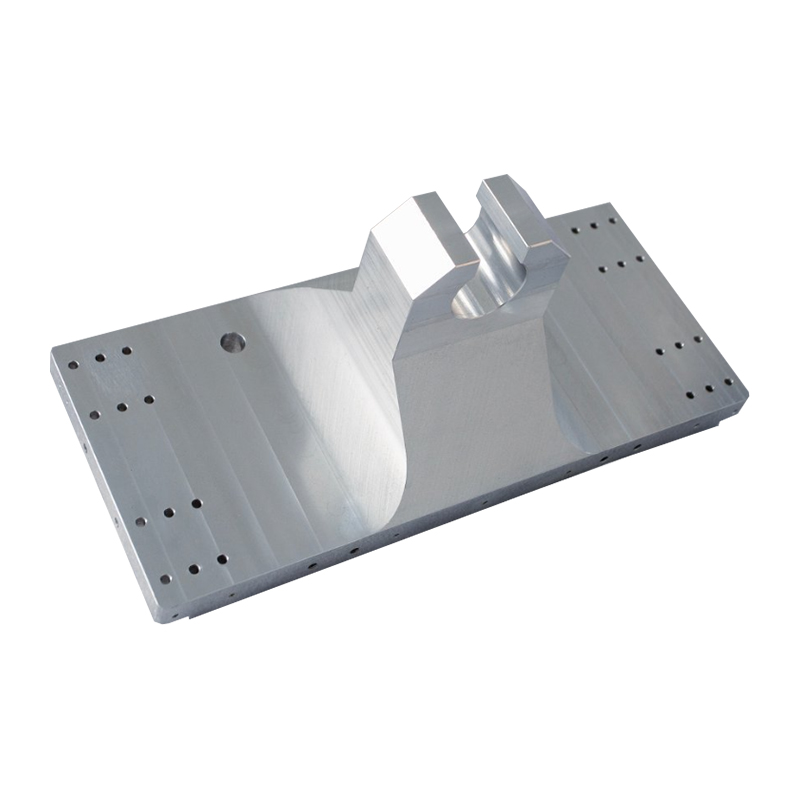
Among 6XXX series alloys, 6061-T6 stands out as one of the most widely specified grades, and for good reason. It is produced through a heat treatment and pre-stretching process that delivers a well-rounded set of properties rather than maximizing any single characteristic. While its strength does not match 2XXX or 7XXX series alloys, 6061-T6 offers a combination of qualities that makes it far easier to work with across a full production cycle.
- Excellent processing performance across cutting, forming, and machining operations
- Strong welding characteristics suited to structural and fabricated assemblies
- Good electroplating properties for parts requiring a plated finish
- Reliable corrosion resistance suitable for long-term outdoor or structural use
- High toughness with minimal deformation after processing
- Dense, defect-free material that polishes cleanly and takes color film treatments well
This combination of properties is why 6061-T6 shows up across such a wide range of end uses — from structural components to decorative or finished parts — without requiring a different alloy for each application.
Comparing the Common 6XXX Grades
While all four alloys share the same magnesium-silicon foundation, each is tuned for a different balance of strength, conductivity, and workability.
| Alloy | Notable Characteristic | Typical Emphasis |
| 6061 | Balanced strength and workability | General structural and fabricated parts |
| 6063 | Strong extrudability and surface finish | Architectural and decorative profiles |
| 6101 | Adjusted copper content for conductivity | Electrical conductor applications |
| 6082 | Higher strength within the 6XXX series | Structural components under greater load |
Formability and Weldability in Real Production Settings
One of the most practical advantages of the 6XXX series is how well it maintains workability even after annealing, a stage where many other alloy families become difficult to process further. This means parts can go through multiple forming stages without losing the material's cooperative behavior, reducing scrap rates and simplifying process planning for manufacturers running multi-step fabrication.
Weldability is another area where the 6XXX series performs reliably. The alloy's welding characteristics make it a practical choice for structural assemblies that require joining, without the heightened cracking risk that can affect some higher-strength aluminum families during welding.
Surface Finish and Coloring Performance
For applications where appearance matters as much as mechanical performance, the 6XXX series — and 6061-T6 in particular — offers meaningful advantages. The material's dense, defect-free structure allows it to be polished cleanly and takes coloring film treatments well, producing consistent, high-quality finishes. Combined with excellent oxidation performance, this makes the alloy well suited to anodized or otherwise visually finished components where surface consistency across a production run is a requirement rather than a bonus.
Selecting the Right Grade for a Given Application
Choosing among 6061, 6063, 6101, and 6082 typically comes down to which property matters most for the finished part.
- Choose 6061 when a balance of strength, weldability, and machinability is needed across general structural or fabricated parts
- Choose 6063 when surface finish and extrusion quality are priorities, such as in architectural profiles
- Choose 6101 when electrical conductivity is the primary performance requirement
- Choose 6082 when higher structural strength is needed within the constraints of the 6XXX family
Understanding how magnesium, silicon, and the various trace elements interact within each grade makes it possible to match material selection to actual production and performance requirements, rather than defaulting to a single alloy across every application. The 6XXX series' combination of moderate strength, strong workability, and reliable finishing performance is what keeps it in continuous demand across structural, architectural, and conductive uses alike.