

 English
 Español
 عربى
عربى
DIHONG
DIHONG
DIHONG
DIHONG
DIHONG
DIHONG
DIHONG
DIHONG
DIHONG
DIHONG
DIHONG
DIHONG
DIHONG
DIHONG
DIHONG
DIHONG
Content
Start with the Finished Part, Not Just the Extruded Bar
An engineer tasked with reducing the weight of a portable medical device by 20% while maintaining drop resistance quickly discovers that off-the-shelf aluminum channels and angles cannot house the required internal mounting features. A custom aluminum extrusion profile, however, can incorporate screw bosses, snap-fit grooves, and cooling fins into a single lightweight shape—eliminating secondary assembly steps entirely. The most reliable way to arrive at that profile without extended tooling iterations is to involve the extrusion supplier during the concept phase, not after the CAD file is frozen.
The single decision that most influences cost, tolerance precision, and lead time is whether the extrusion is specified for the end-use part rather than as raw stock to be machined later. When an extruder knows the final function—heat sink, structural frame, pneumatic manifold—its engineering team can recommend alloy, wall-thickness distribution, and post-extrusion straightening or aging processes that reduce scrap and eliminate post-processing surprises. A producer that also offers in-house CNC machining and anodizing can deliver the finished subassembly, which cuts inventory and inspection overhead.
Alloy Selection and Tolerances: The Specifications That Dictate Cost and Performance
Not every 6000-series aluminum is interchangeable for a precision profile. The difference between 6063-T5 and 6082-T6 can decide whether a heatsink meets its thermal cycle requirement or whether an enclosure passes a 1.5-meter drop test without cracking. Buyers should anchor their specification on three criteria: mechanical strength in the final temper, corrosion resistance under the intended service environment, and extrudability—which directly affects minimum wall thickness and the complexity of hollow sections.
| Alloy Series | Key Characteristics | Typical Extrusion Applications |
|---|---|---|
| 6000 (6061,6063,6082) | Excellent extrudability, medium-to-high strength, good corrosion resistance, weldable. | Electronics enclosures, architectural components, automotive structural members. |
| 7000 (7075,7050) | High strength approaching steel, lower extrudability, stress-corrosion management required. | Aerospace frames, defense structural parts, high-stress mechanical linkages. |
| 5000 (5083,5754) | Superior marine corrosion resistance, non-heat-treatable, moderate strength. | Boat railings, chemical tank components, offshore platform structures. |
Tolerance choice is just as consequential as alloy. A profile specified to a general ±0.5 mm linear tolerance may work for simple brackets, but when interlocking electronic housings require consistent slot widths over 2-meter runs, the part drawing must call out specific geometric tolerance zones according to EN 12020 or the supplier’s internal standard. Suppliers that have aerospace certifications routinely hold tighter profile tolerances without surcharge because their production and inspection systems are built around those standards. Tighter straightness, twist, and angularity tolerances are easier to achieve when the extrusion is aged and straightened under controlled conditions immediately after leaving the die.
How Integrated Processing Shortens Lead Time and Reduces Variability
An extruded rail that leaves one factory, travels to a second for precision machining, and then to a third for anodizing accumulates transit days and quality ambiguity at each hand-off. A single source that controls extrusion, CNC precision machining, and surface finishing can hold ±0.05 mm positional accuracy on critical mounting holes while maintaining a uniform anodic coating thickness across the entire part. This eliminates the blame-spiral during incoming inspection and compresses the overall production timeline.
When procurement teams evaluate a supplier that offers both the extruded profile and the finished component, such as custom aluminum extrusion profiles produced under one roof, they gain the ability to freeze critical-to-function features early. The extruder can adjust die bearing lengths and feeder plate geometry to fill thin ribs completely, a detail that becomes expensive to rework after the die is hardened. Additionally, integrated suppliers often offer magnesium alloy profiles for weight-critical applications where aluminum alone cannot hit the mass target, especially in handheld devices.
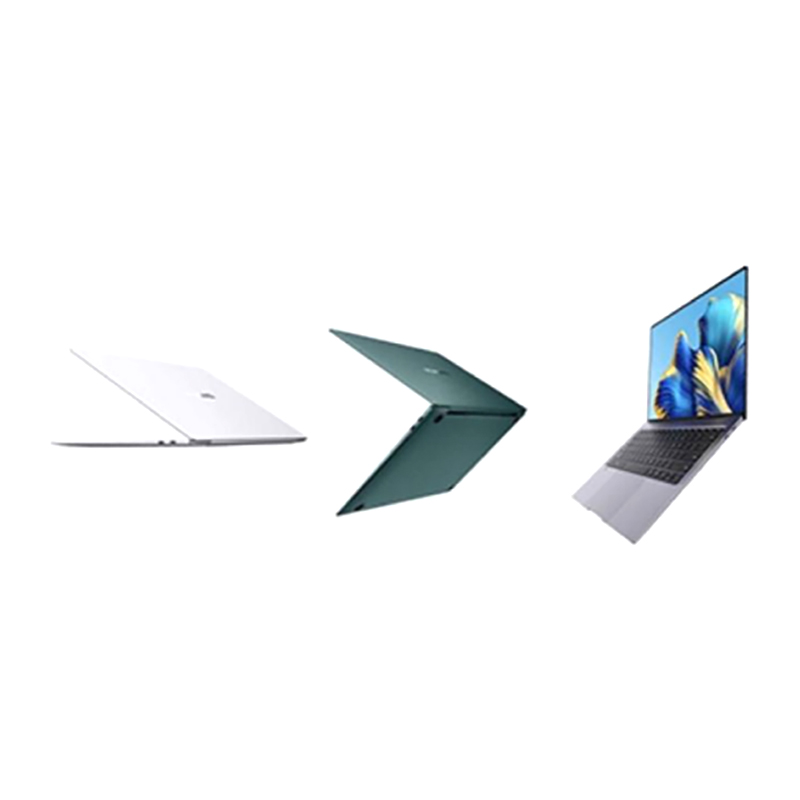 Custom Aluminum Extrusion Profiles Manufacturers, FactoryAs Custom Aluminum Extrusion Profiles Manufacturers and Aluminum Extrusion Profiles Factory in China, Dihong Aluminum offer Wholesale Alu...View Product →
Applications Where a Custom Profile Pays for Itself Quickly
Several industries consistently benefit from moving from fabricated assemblies to a single custom extrusion:
- Aerospace: Structural floor beams, seat tracks, and antenna mounts must combine high 7000-series strength with fatigue resistance. Aerospace-grade extrusions
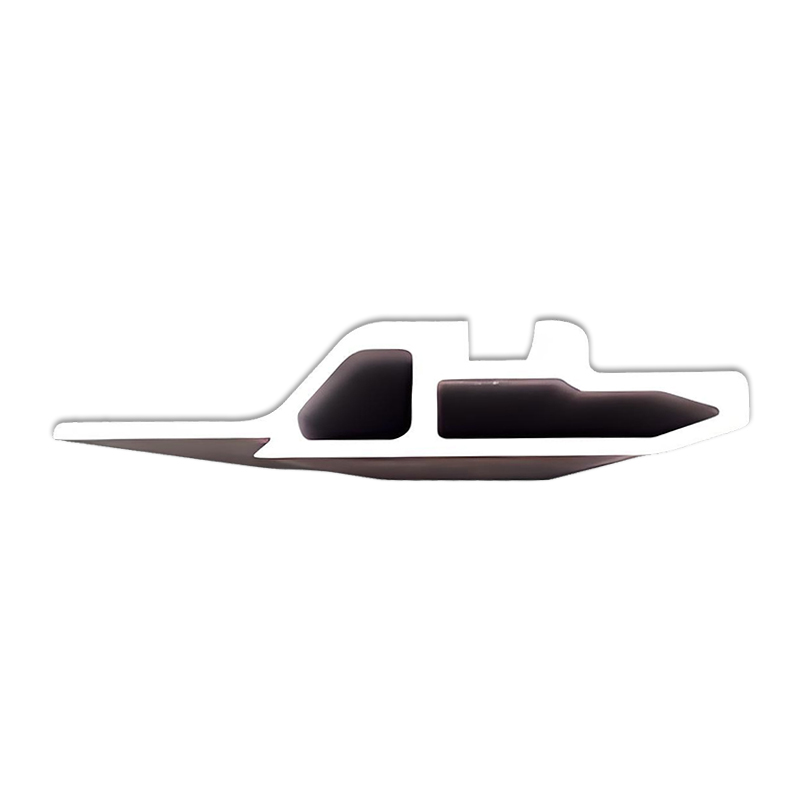 Aluminum Extrusion for Aerospace Suppliers, Custom Factory - Suzhou Dihong AlumiDihong Aluminum offer Custom Aluminum Extrusion for Aerospace, China Aluminum Extrusion for Aerospace Suppliers and Factory, Aerospace al...View Product → must satisfy material traceability, first-article inspection, and certification requirements that commodity profiles cannot meet.
 - Consumer electronics and wearables: Enclosures for smartphones, smartwatches, and hearables demand wall thicknesses below 0.8 mm with Class A cosmetic surfaces. Aluminum extrusion for consumer electronicsAluminum Extrusion for Consumer Electronics Suppliers, Custom Factory - Suzhou DDihong Aluminum offer Custom Aluminum Extrusion for Consumer Electronics, China Aluminum Extrusion for Consumer Electronics Suppliers and...View Product → also often integrates EMI shielding grooves and thermal interface slots, which would otherwise require separate nickel-plating or milling operations.
- Energy storage and vaping devices: Battery module frames and e-cigarette housings need precise cell placement pockets and controlled pressure plate flatness. A custom hollow profile with internal flanges consolidates multiple sheet-metal parts into one piece, improving assembly speed and thermal contact uniformity.
- Medical equipment: MRI-coil frames, surgical instrument handles, and drug-delivery device chassis benefit from the non-magnetic properties of aluminum and the ability to extrude smooth, easy-to-sterilize surfaces.