

 English
 Español
 عربى
عربى
DIHONG
DIHONG
DIHONG
DIHONG
DIHONG
DIHONG
DIHONG
DIHONG
DIHONG
DIHONG
DIHONG
DIHONG
DIHONG
DIHONG
DIHONG
DIHONG
Content
When a procurement manager begins comparing aluminum sheet manufacturers, the critical question is rarely “who ships the most tons.” The real filter is: which supplier will meet the required alloy specifications, hold the certifications your industry demands, and deliver on time without forcing you to manage five different vendors. Answering that question requires moving past a list of names and instead examining the production capabilities, quality controls, and integration that turn a basic mill source into a reliable long-term partner.
What to Look for in an Aluminum Sheet Manufacturer
Suppliers with similar-looking product lists can differ dramatically in the alloys they actually stock, the depth of their quality systems, and their ability to handle both prototype quantities and full container loads. Buyers who focus on three core dimensions—alloy coverage, certifications, and process control—consistently shorten their supplier evaluations and reduce downstream quality risks.
Alloy Range and Grade Availability
A manufacturer’s alloy portfolio tells you which industries it genuinely serves. A supplier offering only 1xxx and 3xxx grades is typically serving commodity packaging or general industrial markets. When you need structural strength, corrosion resistance in marine environments, or anodizing quality for consumer electronics, the 5xxx and 6xxx families become essential. Aerospace and high-strength applications demand access to the 2xxx and 7xxx series. Before issuing an RFQ, check whether the mill carries the full 1xxx through 7xxx range—not just a few tempers within one series.
For example, marine and chemical tank fabricators often rely on 5xxx aluminum-magnesium alloy sheet coil for its balance of weldability and resistance to saltwater corrosion. Automotive structural parts and architectural extrusions lean toward 6xxx alloys because of their formability and strength after heat treatment. Selecting the right grade requires more than a data sheet; our aluminum-magnesium alloy grade guide walks through the trade-offs between strength, elongation, and surface finish to help engineering teams lock in the right starting material.
| Series | Primary Alloying Element | Typical Sheet Applications |
|---|---|---|
| 1xxx | None (99%+ aluminum) | Chemical storage, electrical conductors, signage |
| 3xxx | Manganese | Roofing, heat exchanger fins, general sheet metal |
| 5xxx | Magnesium | Marine hulls, pressure vessels, automotive panels |
| 6xxx | Magnesium & Silicon | Structural profiles, electronic enclosures, automotive frames |
| 7xxx | Zinc | Aerospace components, high-stress mechanical parts |
Certifications and Quality Control
Industry certifications are a proxy for how seriously a manufacturer treats process discipline. A supplier holding ISO 9001 demonstrates a baseline quality management system. However, buyers in the automotive supply chain should look for IATF-16949, which adds defect-prevention rigor and continuous improvement requirements specific to high-volume production. Aerospace and defense programs typically mandate AS9100, introducing additional controls around risk management, configuration control, and product traceability. When a manufacturer carries all three, it signals that its quality infrastructure has been validated across very different operational environments, not just a single sector.
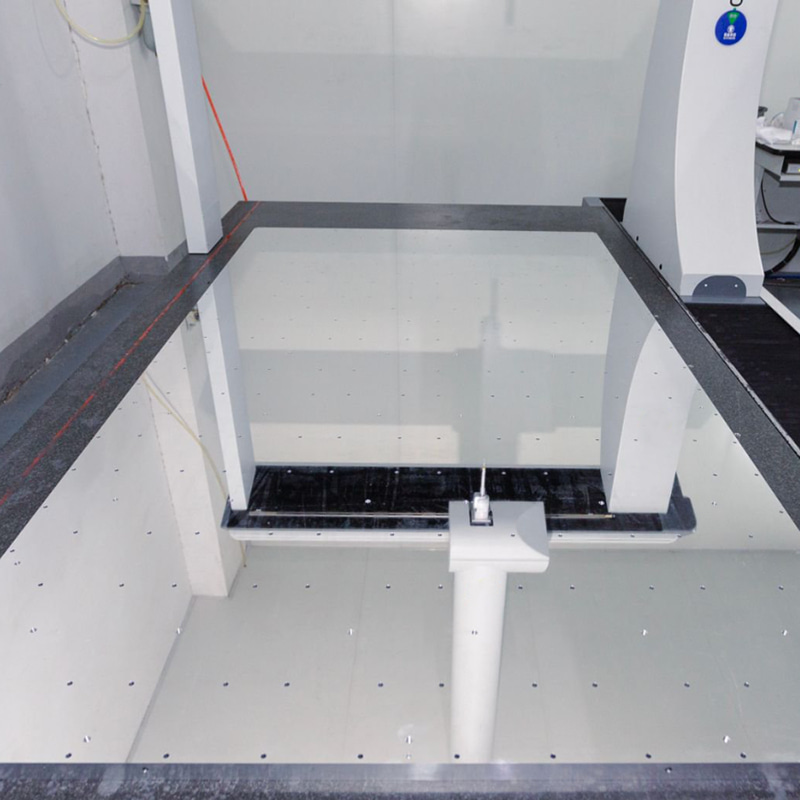
On-site inspection capabilities matter as much as the certificates. A production line equipped with spectroscopy for composition verification, mechanical testing rigs for tensile and yield data, and ultrasonic or eddy current equipment for internal flaw detection produces more reliable material than a facility that outsources testing. Before committing, ask how the manufacturer samples each lot and whether certificates of analysis are included with every shipment—not just upon request.
Manufacturing Capabilities That Affect Your Order
Two mills can quote the same alloy and temper yet deliver sheet that performs differently in your press brake or CNC fixture. The difference usually traces back to process control, tooling condition, and how the manufacturer manages tolerances across the entire production run.
Production Equipment and Process Control
Modern hot and cold rolling lines with automated gauge control keep thickness variation within narrow bands, which directly influences downstream yield in operations like laser cutting or stamping. Continuous heat treatment and quenching systems ensure uniform mechanical properties across the width of the coil, avoiding soft spots that create forming inconsistencies. When a manufacturer handles the full production cycle under one roof—melting, casting, rolling, finishing, and slitting—it can correlate process data from melt chemistry to final flatness, responding faster when a parameter drifts. Vertically integrated production also removes the blind spots that appear when semi-finished product moves between independent subcontractors. For a detailed view of how this works in practice, see our production and processing facilities.
Custom Sizes, Tolerances, and Surface Options
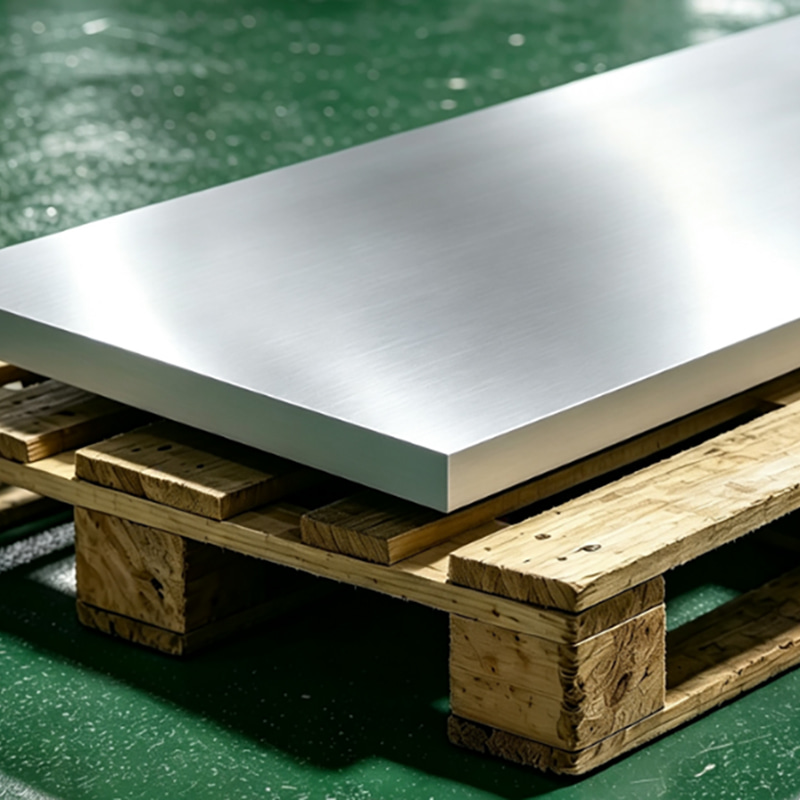
Off-the-shelf stock sizes rarely fit every project. A capable aluminum sheet manufacturer can supply custom widths from precision slitting lines, cut-to-length sheets within agreed flatness tolerances, and surface finishes that match the end use—mill finish for further fabrication, anodizing-quality surfaces for cosmetic parts, or brushed and polished finishes for architectural panels. Clarify at the quoting stage whether the supplier can hold flatness to one-half or one-quarter of the commercial standard, especially for laser-cut components where edge quality depends on a stable sheet plane. Discuss edge condition (slit edge, sawn edge) and coil inside diameter requirements upfront to avoid re-handling charges later.
How to Compare International Suppliers
When bids arrive from multiple aluminum sheet manufacturers, the lowest per-kilogram price can mask higher total cost of ownership if it means longer lead times, inconsistent chemistry, or incomplete documentation. Structuring comparisons around a few objective checks moves the decision from price alone to supply reliability.
Ask for Material Traceability and Test Reports
A supplier that cannot trace a sheet back to the cast lot and the original ingot source introduces unnecessary risk. In regulated industries like aerospace or medical device manufacturing, full material traceability is non-negotiable. Even in less regulated sectors, a heat-by-heat certificate of analysis—showing actual chemical composition, tensile properties, and grain structure data—gives you a baseline for incoming inspection. Reputable manufacturers provide these reports as standard, not as an extra-cost service. When an aluminum sheet supplier cannot or will not share full traceability records, treat that as a red flag for quality consistency.
Evaluate Lead Times and Order Flexibility
Lead times for custom-rolled sheet can extend when a mill’s production planning is built around full-campaign runs of a single alloy. A manufacturer that runs multiple product lines—standard sheet, custom extrusions, and CNC machined parts—often maintains greater scheduling flexibility, allocating furnace time across different products without waiting to fill a minimum campaign. Ask about minimum order quantities (MOQ) for custom sizes, what surcharges apply to below-MOQ orders, and whether the supplier offers combined shipments when you order sheet alongside other product forms. Packaging for ocean freight or intermodal transport should also be verified: moisture-resistant wrapping, edge protectors, and pallet specifications all affect whether material arrives in usable condition.
Why an Integrated Aluminum Supplier Simplifies Procurement
Many OEMs source aluminum sheet from one vendor, extruded profiles from a second, and machined components from a third. While this can work, it multiplies the number of quality audits, shipping schedules, and technical liaison points the buyer must manage. An alternative model that is gaining traction is to work with a single, vertically coordinated supplier that covers aluminum sheet and coil, custom aluminum extrusion profiles, and CNC precision machining services. This approach reduces the communication load, allows the supplier to optimize material usage across different product forms, and often leads to faster problem resolution because the same metallurgical and engineering team touches the part from raw material to finished component. When a supplier understands both the rolling and the machining characteristics of an alloy, it can recommend grade substitutions that improve machinability without sacrificing structural performance.
How to Get a Quote for Aluminum Sheet
Quotations become accurate faster when you provide the right information from the first email. Instead of a generic RFQ, include the specific alloy and temper (e.g., 6061-T6, 5052-H32), the thickness tolerance required, the width and length or coil format, the surface finish expectation, and the approximate order quantity. If the sheet will be used in a structural or cosmetic application, sharing a simple sketch or application note helps the manufacturer validate whether the requested grade is suitable.
Start by consulting a full aluminum sheet and coil product range to understand available alloys, standard dimensions, and typical processing options. This step alone often shortens the back-and-forth and surfaces alternative grades that can reduce cost while meeting functional requirements. When you engage a manufacturer that combines mill production with downstream processing, you can discuss not only the sheet specification but also whether pre-cut blanks, stress-relieved plate, or subsequent machining operations can be bundled into the same commercial agreement—simplifying the total acquisition process.