

 English
 Español
 عربى
عربى
DIHONG
DIHONG
DIHONG
DIHONG
DIHONG
DIHONG
DIHONG
DIHONG
DIHONG
DIHONG
DIHONG
DIHONG
DIHONG
DIHONG
DIHONG
DIHONG
Content
- 1 A Practical Starting Point: What a Capable Aluminum Extrusion Profiles Manufacturer Must Deliver
- 2 What to Evaluate Before You Send an RFQ
- 3 Why Integrated Extrusion and Precision Machining Changes the Risk Profile
- 4 Industry Applications: What the Best Manufacturers Tailor Strategies To
- 5 How to Shortlist and Validate Suppliers
A Practical Starting Point: What a Capable Aluminum Extrusion Profiles Manufacturer Must Deliver
Your drawing specifies a 6063-T5 profile with a critical slot tolerance of ±0.1 mm, and your production schedule leaves no time for rework. At that moment, aluminum extrusion profiles manufacturers stop being interchangeable suppliers and become part of your engineering team. The right one keeps your part consistent from first article to serial production; the wrong one turns a simple profile into a continuous source of audit findings and scrap.
The conclusion is simple: choose a manufacturer by system, not by unit price. Look for evidence that the supplier can control alloy chemistry, die design, extrusion parameters, and any post-extrusion machining under one quality system. The cheapest quote is rarely the lowest total cost once you add inspection, freight, and non-conformance handling.
In this guide, we explain the evaluation criteria that matter most when you source aluminum extrusion profiles from a manufacturer, and where an integrated partner can reduce your technical and commercial risk.
What to Evaluate Before You Send an RFQ
Before comparing quotes, compare the factors that determine whether a manufacturer can actually produce your part. Four areas deserve attention: alloy knowledge, tolerance control, certifications, and post-extrusion capabilities.
Alloy Knowledge and Material Traceability
Most structural and thermal profiles rely on the 6xxx family, especially 6063 and 6061, because they combine extrusion ease, strength, and corrosion resistance. However, demanding applications may require other series, or even magnesium alloy profiles when weight is the dominant constraint. A manufacturer with broad alloy experience can recommend the correct temper and section geometry before tooling starts, rather than discovering a mismatch after sampling.
The table below summarizes the common alloy families you may see when reviewing aluminum extrusion profiles manufacturers:
| Alloy family | Primary characteristics | Typical profile applications |
|---|---|---|
| 1xxx (pure aluminum) | High conductivity, excellent workability | Bus bars, heat sinks, non-structural trim |
| 3xxx (manganese) | Moderate strength, good formability | Heat exchangers, roofing, automotive parts |
| 5xxx (magnesium) | High corrosion resistance, weldability | Marine frames, pressure vessels, transportation |
| 6xxx (silicon-magnesium) | Good extrudability, medium strength, finish quality | Architectural frames, electronics, rail, energy storage |
| 7xxx (zinc) | High strength, aerospace-grade options | Structural aerospace components, high-load frames |
Ask every candidate manufacturer for material certificates and in-house chemical verification. Traceability matters because a slight deviation in magnesium or silicon content can change the mechanical response of a profile after anodizing or heat treatment.
Tolerance Control and Section Design
Profile tolerance is not just a number on a drawing. It depends on die design, press runout, cooling method, and stretch straightening. A competent manufacturer will tell you which dimensions are stable and which depend on the as-extruded shape. For example, wall thickness tolerances behave differently from profile twist or flatness. If your design includes thin webs or long unsupported legs, early design-for-manufacturing feedback is more valuable than a low quote.
Certifications That Reduce Audit Fatigue
Certifications give a fast, objective signal about quality maturity. Look for ISO 9001 as a basic requirement, IATF 16949 if you supply automotive components, and AS9100 for aerospace or defense work. These standards force documented control over calibration, change management, non-conformance, and supplier traceability. A manufacturer that maintains all three is likely to handle a new profile with the same rigor as a production part. The aluminum processing industry is accelerating its transition toward high-precision, high-tech production, and certifications are the practical first evidence of that shift.
Still, certifications alone do not guarantee your specific profile will be easy. Ask for process capability data from similar jobs, not just the certificate.
Why Integrated Extrusion and Precision Machining Changes the Risk Profile
An aluminum extrusion profile rarely ships as a raw length. Many profiles require drilling, milling, tapping, slotting, or CNC contouring before assembly. When extrusion and machining sit in different organizations, tolerance responsibilities can become fuzzy: the extruder blames the machinist for removing material, and the machinist blames the extruder for twisted stock. An integrated manufacturer eliminates that handoff because the same quality team controls both steps.
Single-Point Responsibility vs. Multi-Supplier Coordination
With one supplier owning extrusion and CNC machining, you have a single point of contact for dimensional issues, a shared measurement system, and faster corrective action. This matters for high-volume production and for prototypes that require rapid iteration. Integrated production processing also shortens lead time because profiles move directly from age-hardening to machining without waiting for external logistics.
When CNC Machining Is a Non-Negotiable Extension
For applications such as semiconductor equipment, industrial automation, or photovoltaic frames, small tolerance stack-ups become functional problems. A profile that is straight within spec can still bow after asymmetric milling. The best approach is to design the profile with the machining process in mind from the start. That is precisely where a manufacturer with in-house CNC capability has a structural advantage. Precision and material standards matter most for CNC parts because cutting tools interact with the alloy microstructure, and the same 6063 rod can behave differently depending on temper and residual stress.
If you are evaluating aluminum extrusion profiles manufacturers, ask how they manage stress relief and fixturing for machined profiles. The answer tells you whether they treat machining as an afterthought or as an engineering discipline.
Industry Applications: What the Best Manufacturers Tailor Strategies To
An aluminum extrusion profiles manufacturer that only knows “ordinary profiles” will struggle when an application pushes standards beyond the commodity level. The most reliable suppliers build competence in specific industries because those industries have distinct inspection, material, and finishing cultures.
Aerospace and Defense
Aerospace components demand high strength-to-weight ratios, tight dimensional control, and full traceability from cast alloy to final part. If you need profiles for interior structures, seat tracks, or airframe support components, verify that the manufacturer has experience with aerospace-grade alloys and AS9100. For a closer look at this category, see our aerospace-grade aluminum extrusion profiles.
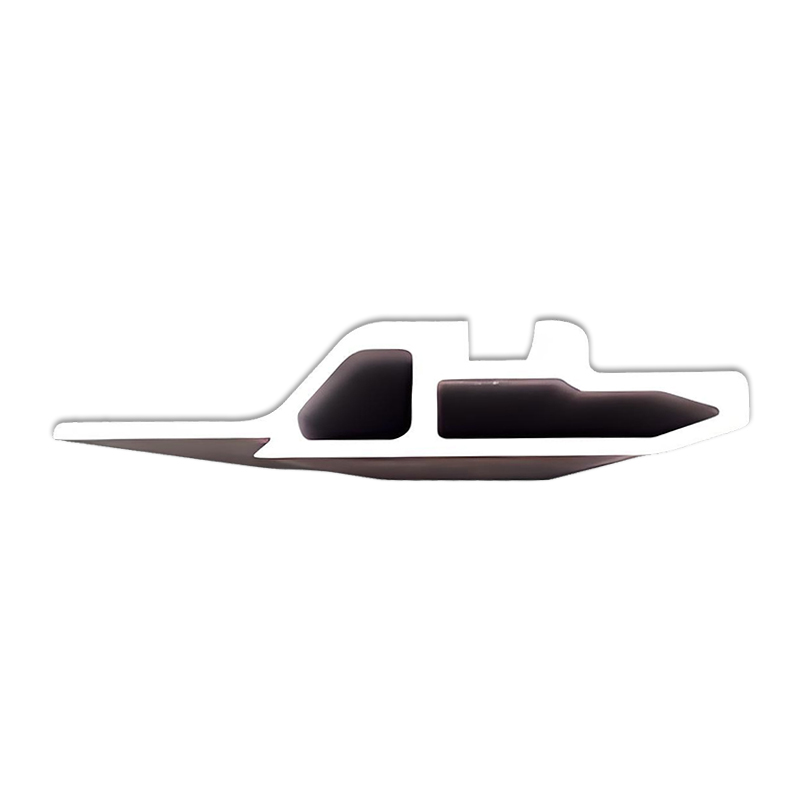 Aluminum Extrusion for Aerospace Suppliers, Custom Factory - Suzhou Dihong AlumiDihong Aluminum offer Custom Aluminum Extrusion for Aerospace, China Aluminum Extrusion for Aerospace Suppliers and Factory, Aerospace al...View Product →
Consumer Electronics and Wearables
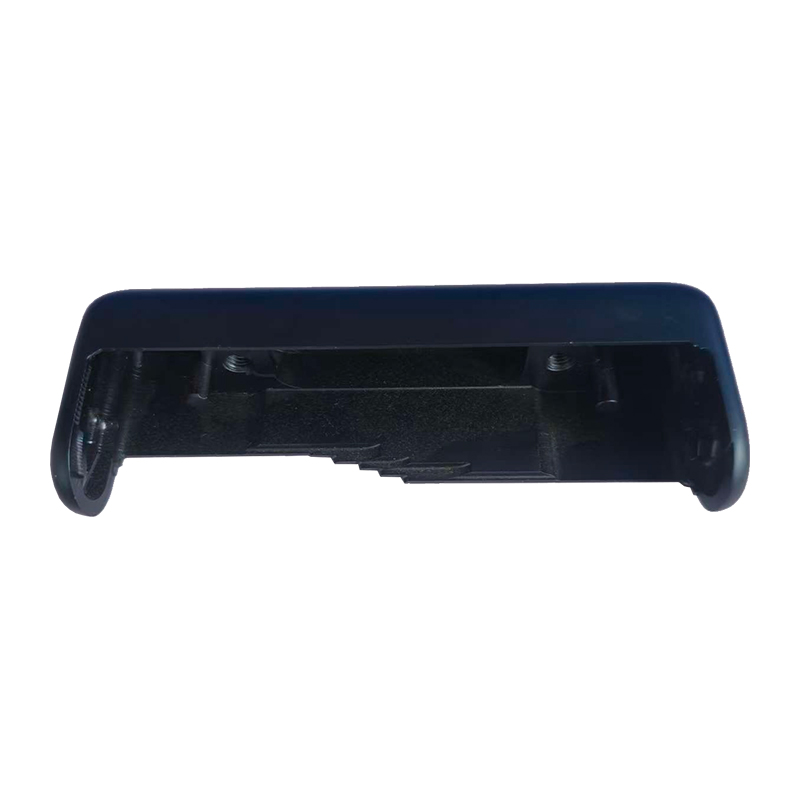
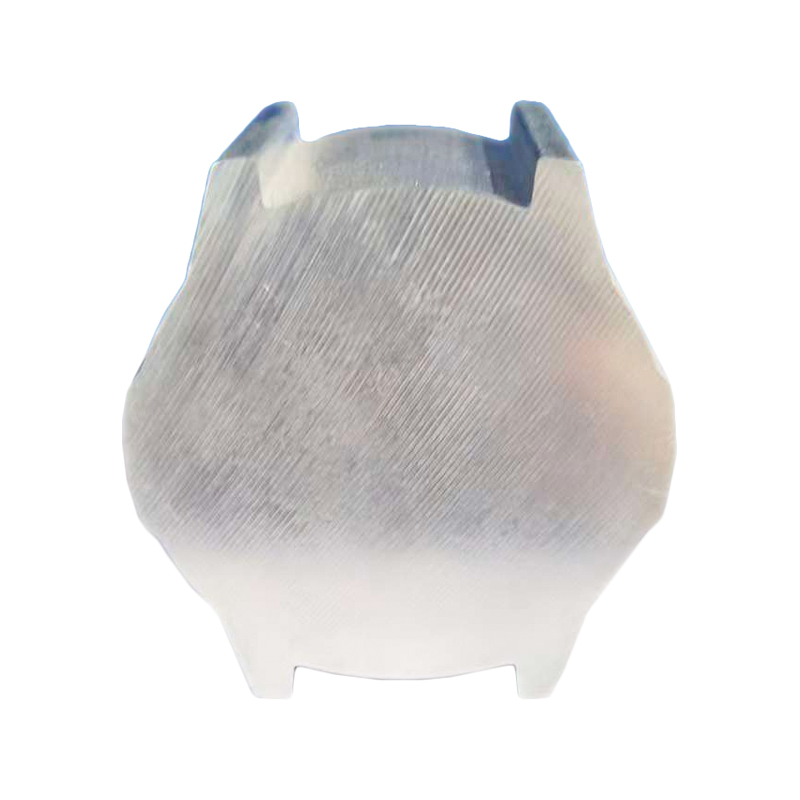
Electronics profiles are judged by surface finish, thin-wall stability, and consistency across large volumes. A small variation in the profile can create gaps or poor anodizing after machining. Manufacturers with experience in this segment know how to stabilize extrusion speed and quench. You can review our aluminum extrusion profiles for consumer electronics to see how these requirements translate into manufacturing practice.
 Aluminum Extrusion for Consumer Electronics Suppliers, Custom Factory - Suzhou DDihong Aluminum offer Custom Aluminum Extrusion for Consumer Electronics, China Aluminum Extrusion for Consumer Electronics Suppliers and...View Product →
Energy Storage and Photovoltaics
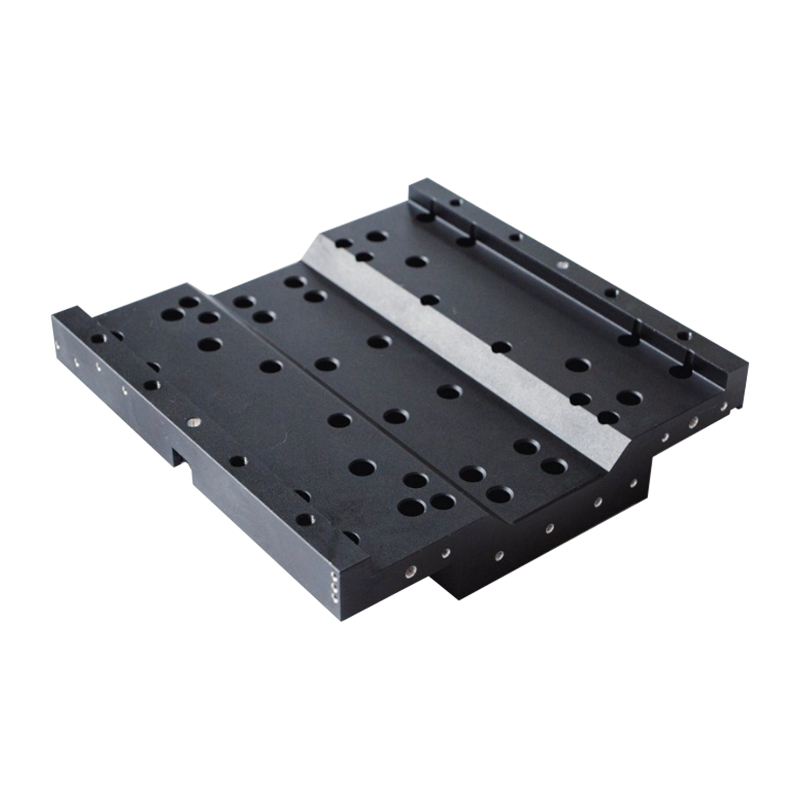
Battery housings and solar module frames require corrosion resistance, thermal management, and structural rigidity. Profiles are often long, with thin walls and intricate channels for seals or busbars. The manufacturer must combine extrusion know-how with consistent handling to avoid distortion. Our aluminum extrusion profiles for energy storage systems are designed around these mechanical and thermal demands.
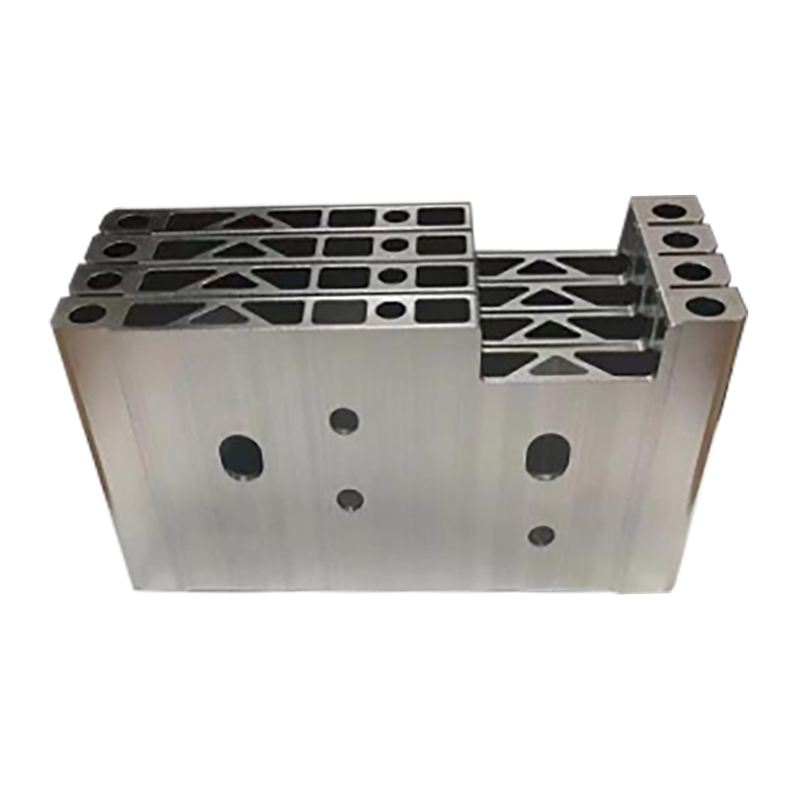 Aluminum Extrusion for Energy Storage Suppliers, Custom Factory - Suzhou Dihong Dihong Aluminum offer Custom Aluminum Extrusion for Energy Storage, China Aluminum Extrusion for Energy Storage Suppliers and Factory, Th...View Product →
How to Shortlist and Validate Suppliers
By now, you know what to look for in terms of alloys, tolerances, certifications, and industry experience. Here is a practical sequence for turning that knowledge into a supplier list.
Ask for Process Data, Not Just Samples
Request material certificates, dimensional inspection reports, and capability studies for profiles similar to yours. A good manufacturer will share data from past jobs, with customer names redacted if necessary. If a supplier can only provide one perfect sample, that is not evidence of process control. The real question is whether the distribution of dimensions stays inside your tolerance across many production runs.
Audit the Tooling and Maintenance System
Extrusion dies wear, and worn dies create dimensional drift. Understand how the manufacturer manages die corrections, nitriding schedules, and storage. A serious supplier will have a documented die maintenance history for every active profile. This is especially critical for long-running contracts where subtle changes in section properties become apparent only after anodizing or assembly.
Use a Pilot Order to Prove the System
A pilot order with measurable criteria is the fastest way to separate an experienced aluminum extrusion profiles manufacturer from a hopeful one. Define acceptance limits for straightness, twist, surface condition, and machined features. Ask the supplier to provide a first-article inspection report and a tentative control plan. The pilot also gives you a chance to test communication speed when problems appear.
Once a supplier passes these checks, you can treat them as an extension of your own engineering capacity rather than a mere vendor. If you want to see how a fully integrated operation handles custom profiles, browse our custom aluminum extrusion profiles and the related production steps we document.