

 English
 Español
 عربى
عربى
DIHONG
DIHONG
DIHONG
DIHONG
DIHONG
DIHONG
DIHONG
DIHONG
DIHONG
DIHONG
DIHONG
DIHONG
DIHONG
DIHONG
DIHONG
DIHONG
Content
When an engineer opens a drawing for a wing stiffener, the first question is not about the toolpath. It is about the alloy. For nearly every heavily loaded airframe structure, the practical choice narrows to high-strength aluminum alloys from the 2xxx or 7xxx series, with 6xxx alloys reserved for components that need corrosion resistance and weldability more than peak strength. This guide explains how those families differ and how to choose the right grade for your next aerospace component.
Why Aluminum Alloys Dominate Aerospace Structures
Aircraft designers use aluminum because it offers an efficient balance of weight, strength, and damage tolerance. Compared with steel, an aluminum part can be substantially lighter at the same stiffness; compared with many composites, aluminum is easier to inspect, repair, and electrically bond. That is why aerospace aluminum alloys still form a large share of skins, spars, ribs, and fittings on commercial and military aircraft.
The three most relevant alloy families for aerospace are the 2xxx copper series, 6xxx magnesium-silicon series, and 7xxx zinc series. Their properties are deliberately different, and using the correct grade for the correct location is a core airframe design task. The table below summarizes the differences.
| Series | Main alloying elements | Representative grades | Strength | Design strength | Main limitation |
|---|---|---|---|---|---|
| 2xxx | Copper | 2024, 2219 | High | Fatigue resistance, damage tolerance | Lower corrosion resistance; requires protection |
| 6xxx | Magnesium and silicon | 6061, 6063 | Medium | Corrosion resistance, weldability | Lower strength for primary structure |
| 7xxx | Zinc | 7075, 7050 | Very high | Static strength, hardness | Stress-corrosion cracking sensitivity |
These differences are not theoretical. They affect how a crack grows, how much maintenance a structure needs, and whether a machined pocket will hold together under repeated pressurization.
Key Alloy Series and Their Aerospace Roles
The choice between series depends on the structural role. Each family has decades of service history and a well-documented set of strengths and weaknesses.
2xxx Series: The Damage-Tolerant Workhorse
Copper additions of roughly 3 to 5 percent give 2xxx alloys high strength and excellent fatigue resistance. The most famous grade, 2024-T3, has been used for fuselage skins and lower wing covers because it allows cracks to grow slowly enough to be found in inspection. The sacrifice is corrosion resistance: bare 2024 can suffer intergranular attack, so aerospace parts are typically clad, anodized, or coated. For structural applications where damage tolerance is the priority, 2xxx remains a sensible default.
7xxx Series: Maximum Strength for Critical Load Paths
The 7xxx series, with zinc as the main addition, offers the highest tensile strengths in the aluminum family. Grades such as 7075-T6 are found in upper wing skins, spars, and bulkheads where the load path is mostly compressive and static strength is essential. Designers must take stress-corrosion cracking seriously; overaged tempers such as T7351 improve resistance while retaining most of the strength. When you need high-strength plate for carrying heavy loads, you can source aerospace-grade 7xxx aluminum sheet and plate in controlled tempers and certified conditions.
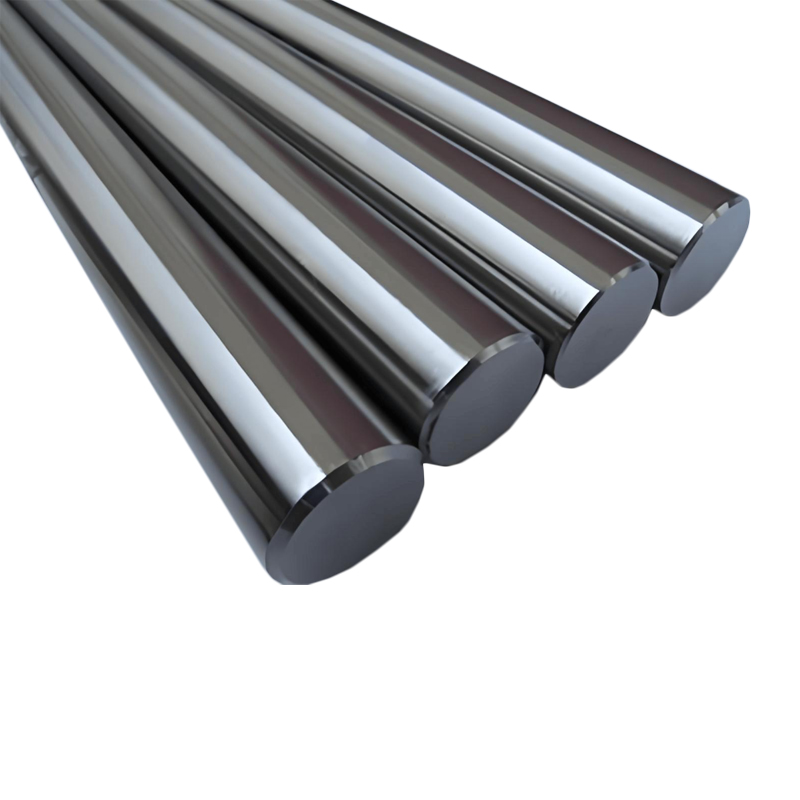 7XXX Aluminum-Zinc Alloy Sheet & Plate Suppliers, Custom Factory - Suzhou DihongDihong Aluminum offer Custom 7XXX Aluminum-Zinc Alloy Sheet & Plate, China 7XXX Aluminum-Zinc Alloy Sheet & Plate Suppliers and Factory, ...View Product →
6xxx Series: Balanced Performance for Secondary Structure
6xxx alloys balance moderate strength, easy welding, and good corrosion resistance. In aerospace, 6061-T6 appears in seat tracks, brackets, access panels, and window frames. It is also a common choice for ground support equipment and structural repairs. Because 6xxx plates and profiles are easy to machine and weld, they reduce production cost where weight saving is less critical than reliability and speed.
How to Select the Right Aerospace Aluminum Alloy
Aerospace material selection starts with the load case, not the alloy name. For example, a part that absorbs frequent pressurization cycles should use a damage-tolerant alloy; a bracket that must be welded should use a weldable 6xxx alloy. Use this list as a mental checklist.
- Loading mode: static tension, compression, or repeated cyclic loading.
- Corrosion exposure: bare skin surfaces versus protected internal areas.
- Temperature range: cryogenic fuel tanks versus high-temperature engine bays.
- Fabrication route: machining, forming, welding, or mechanical fastening.
- Temper state: T3, T6, T73, or T7451 changes strength and residual stress.
It is also important to specify the right standard and traceability. An alloy designation alone is not enough. Aerospace buyers should require mill certificates, chemical composition reports, and mechanical test results that match an accepted specification such as AMS or ASTM B209. This is particularly important because counterfeit and off-grade metal occasionally appears in non-critical supply chains. If you are commissioning milled components, check guidance on precision and material standards for CNC parts before finalizing the purchase order.
From Alloy to Component: Extrusion and CNC Machining
Most aerospace parts are not machined directly from raw billet. A typical flow starts with plate or extruded profile, then moves to CNC machining for holes, pockets, and surfaces. This is why supplier capability matters as much as alloy composition.
Extruded Profiles for Structural and Interior Applications
Extrusion lets you shape material to follow the load path, replacing a multi-piece assembly with one continuous profile. For aerospace use, the profile must hold tight wall thickness and straightness tolerances, and the temper must be correct after quenching and aging. Stringers, seat rails, floor beams, and door frames all benefit from well-designed extrusion. Many programs rely on partners that provide aerospace aluminum extrusion profiles with documented traceability and full heat treatment.
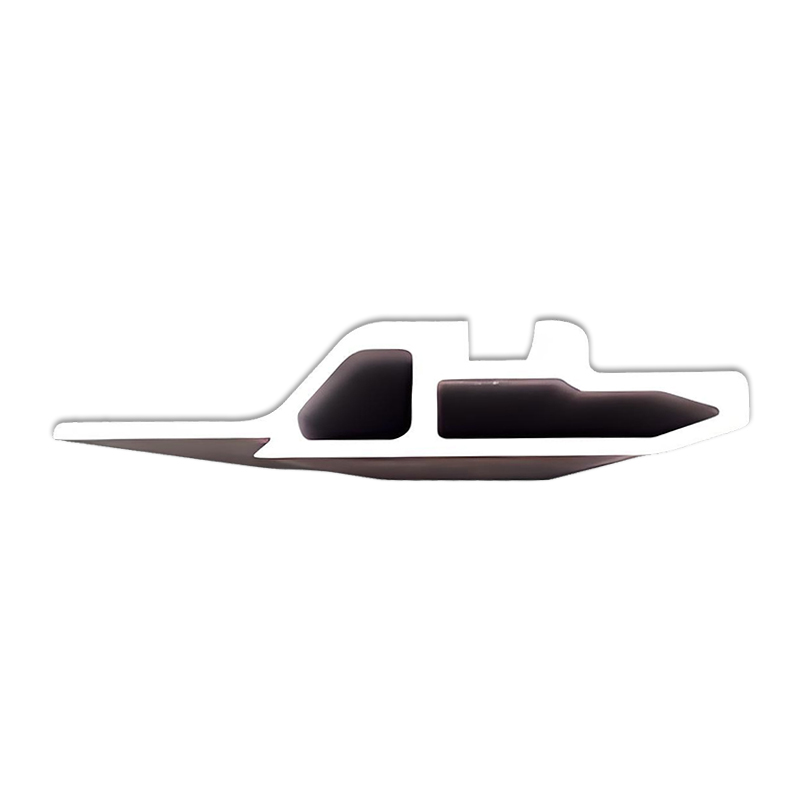 Aluminum Extrusion for Aerospace Suppliers, Custom Factory - Suzhou Dihong AlumiDihong Aluminum offer Custom Aluminum Extrusion for Aerospace, China Aluminum Extrusion for Aerospace Suppliers and Factory, Aerospace al...View Product →
CNC Machining for Close-Tolerance Details
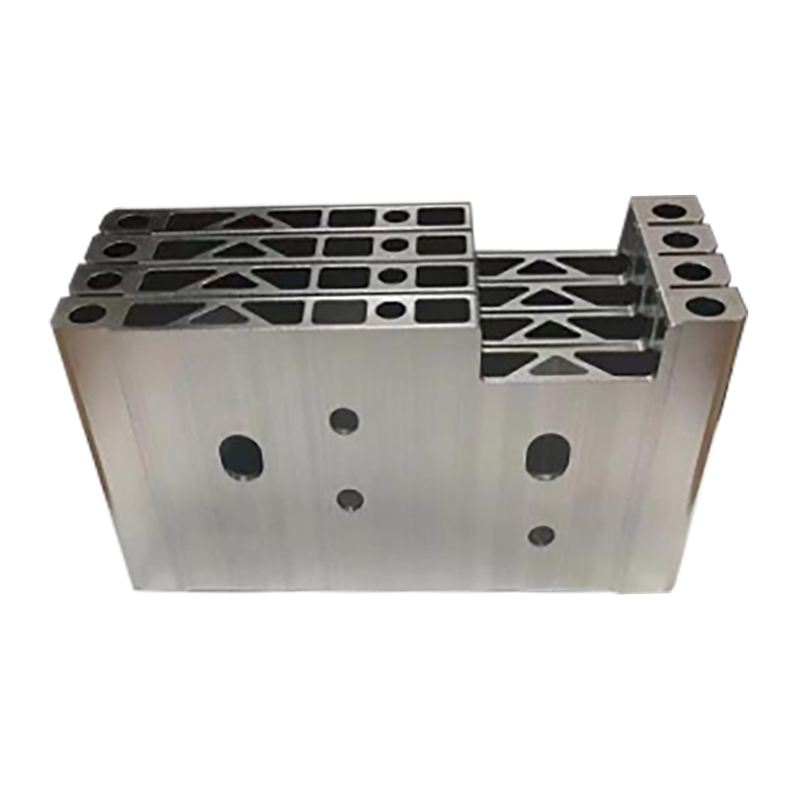
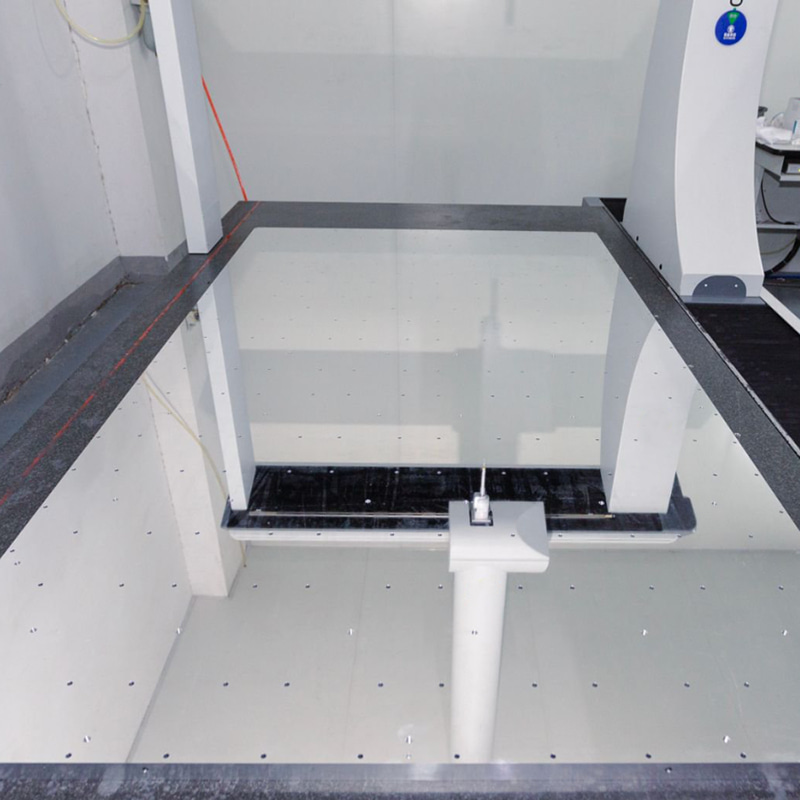
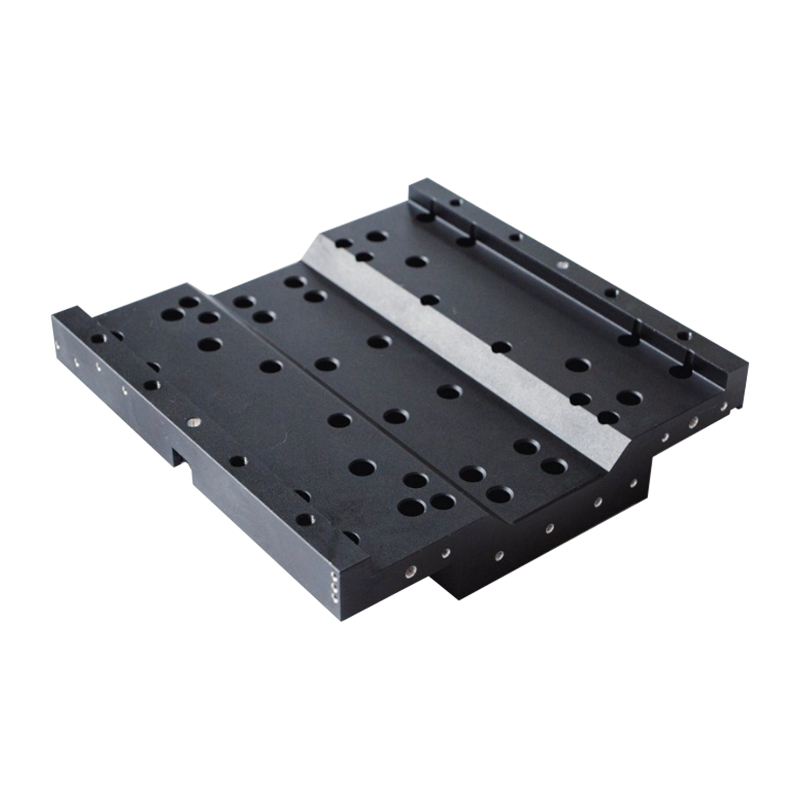
After extrusion or plate supply, finish machining removes most of the material from a typical aerospace detail. High-speed CNC machining is used to create thin webs, open pockets, and precision holes. Critical features often hold tolerances within 0.1 mm or tighter, so the machine tool, fixture, and inspection method all need to be proven. Rather than moving material through several separate shops, a single partner can supply precision CNC machined aerospace parts from verified raw stock, reducing lead time and documentation risk.
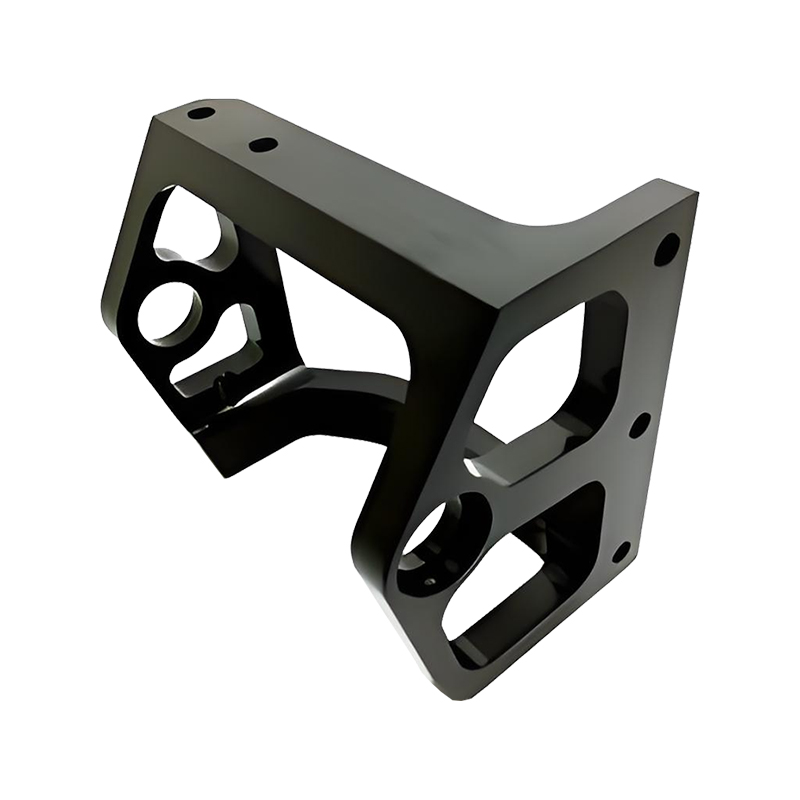 CNC Parts for Aerospace & Defense Suppliers, Custom Factory - Suzhou Dihong AlumDihong Aluminum offer Custom CNC Parts for Aerospace & Defense, China CNC Parts for Aerospace & Defense Suppliers and Factory, Aerospace ...View Product →
What to Look for in an Aerospace Aluminum Supplier
Aluminum is a commodity only until you need a certified alloy in the right temper with dimensional tolerances that match a drawing. The actual supplier evaluation should focus on systems, not inventory. Look for certifications such as AS9100, IATF 16949, or ISO 9001. Ask how the facility stores material, separates compatible alloys, and prevents mixing during sawing, handling, or heat treatment. Ask whether test reports accompany every lot and whether the mill certificates are retained for traceability.
One efficient way to reduce risk is to combine raw material supply and processing in one contract. A partner with in-house extrusion and CNC capacity can keep the same alloy family under one quality system and eliminate the hand-offs that cause dimensional and documentation problems. Before selecting a vendor, review its production processing capabilities and compare them with your component requirements.
In practical terms, aerospace aluminum alloys are selected by mapping each series to its structural job: 2xxx for fatigue-critical lower structures, 7xxx for high-strength load paths, and 6xxx for balanced secondary parts. Once the grade and temper are defined, the next critical step is sourcing from a supplier that can prove material quality and process control at every stage.