

 English
 Español
 عربى

DIHONG
DIHONG
DIHONG
DIHONG
DIHONG
DIHONG
DIHONG
DIHONG
DIHONG
DIHONG
DIHONG
DIHONG
DIHONG
DIHONG
DIHONG
DIHONG
Content
- 1 What an Aluminum Temper Chart Actually Tells You
- 2 Reading the Letters and Digits Without Guessing
- 3 Common Alloy and Temper Pairings in Real Work
- 4 How to Use a Temper Chart When You Specify Material
- 5 Where the Chart Stops and the Mill Conversation Begins
- 6 A Simple Checklist for Reading Any Aluminum Temper Chart
An aluminum temper chart is one of those shop-floor documents that looks simple until someone asks why 6061-T6 behaves differently from 5052-H32. We have spent years quoting, cutting, extruding, and machining aluminum, and the chart still earns its place near the desk. It is not just a lookup table. It is a compact record of how the metal was made, how much work it received, and what the buyer should expect when the material reaches the machine.
What an Aluminum Temper Chart Actually Tells You
The alloy tells you the chemistry. The temper tells you the condition. A 6061 alloy is still 6061 whether it is supplied as O, T4, or T6, but the temper changes strength, formability, machining behavior, and sometimes corrosion response. An aluminum temper chart brings those two pieces together so that a designation such as 5052-H32 or 7075-T651 can be read as a practical material instruction rather than a random code.
Most charts begin with five basic temper families. The table below is a useful first filter before you look at the more detailed digits.
| Temper family | Meaning | What it usually tells a buyer |
|---|---|---|
| F | As fabricated | No deliberate thermal or strain treatment; mechanical properties may be typical rather than guaranteed. |
| O | Annealed | Softest condition; good formability and lower strength. |
| H | Strain hardened | Strengthened by cold work; common for sheet and coil. |
| W | Solution heat treated | Unstable condition; natural aging continues after quenching. |
| T | Thermally treated | Strengthened by solution treatment and aging; common for 2xxx, 6xxx, and 7xxx alloys. |
A useful chart also reminds you that not every temper is available in every alloy. 7075-T6 is common; 7075-O exists but is not a general-purpose structural choice. 6061-T4 and 6061-T6 are both familiar; 6061-H32 is not. The chart is a menu of practical combinations, not a promise that every combination is stocked, sensible, or easy to source in your thickness and width.
Reading the Letters and Digits Without Guessing
The H family is where many buyers get lost. The H means strain hardened, but the digits after it describe both the amount of cold work and what happened afterward. Take H32. The H says strain hardened, the 3 says stabilized, and the 2 says quarter hard. H14 is strain hardened only and half hard. H24 is strain hardened and partially annealed, also half hard. Those differences matter when a part is bent, rolled, or formed. H32 is not stronger than H14 just because 32 is a bigger number; the letter and digit sequence tells a different story.
T tempers follow a different logic. T6 means solution heat treated and artificially aged. T651 adds stress relief by stretching, which can matter when a plate is machined into a thin part. T3 is solution heat treated, cold worked, and naturally aged; T4 is solution heat treated and naturally aged. T5 is cooled from hot working and artificially aged, while T7 is overaged or stabilized. A chart that shows T351 or T651 is doing useful work because those extra digits often explain why two seemingly similar materials behave differently on the shop floor.
W is a transitional temper that appears less often in everyday purchasing. It means solution heat treated and naturally aging at room temperature. It is useful to recognize, but it is not usually the temper you specify for a stable finished part.
If you want a deeper refresher on series chemistry, this explanation of aluminum alloy composition is a practical companion to the temper chart.
Common Alloy and Temper Pairings in Real Work
In everyday purchasing, a few pairings come up again and again. They are worth recognizing because they show how the chart is used in practice rather than in theory.
- 1050 and 1100 are often supplied as O, H14, or H24 for forming and general fabrication.
- 3003-H14 is a familiar choice for moderate strength and good workability.
- 5052-H32 is widely used where corrosion resistance and formability matter.
- 6061-T6 and 6061-T651 are common for machined parts, fixtures, and structural components.
- 6082-T6 appears in European-style structural work and general engineering.
- 2024-T3 and 2024-T351 are associated with aerospace and high-strength applications.
- 7075-T6 and 7075-T651 are chosen when high strength is the priority.
Examples from our sheet and plate range include the 6xxx, 2024, and 7075 families, which are often specified with these tempers:
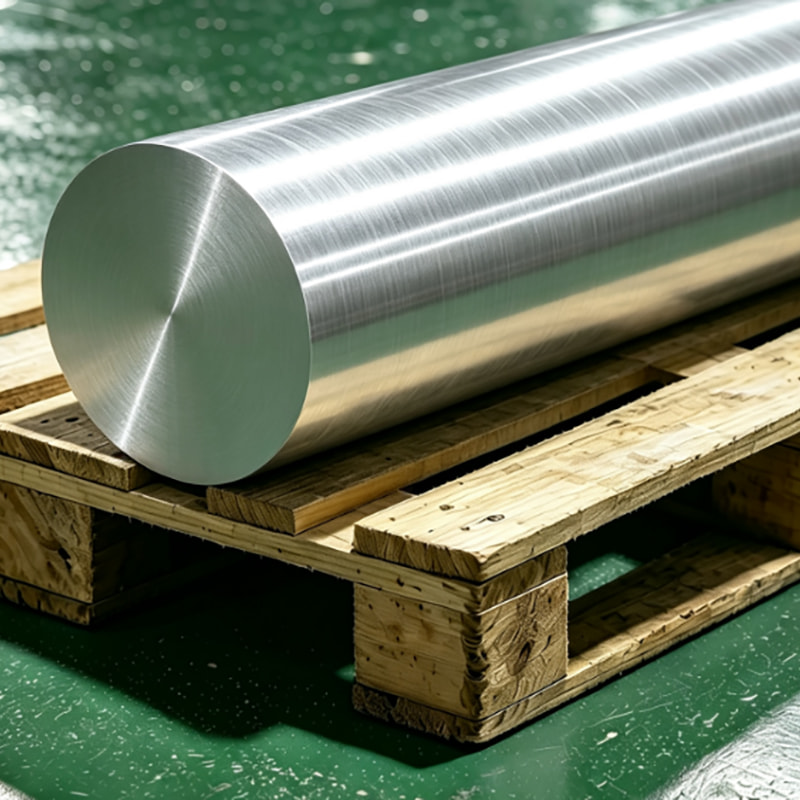 2024 Aluminum-Copper-Magnesium Alloy Sheet and RodHigh-strength, heat-treatable duralumin for structural parts, available as sheet and rod with custom cutting and material certificates.View Product →
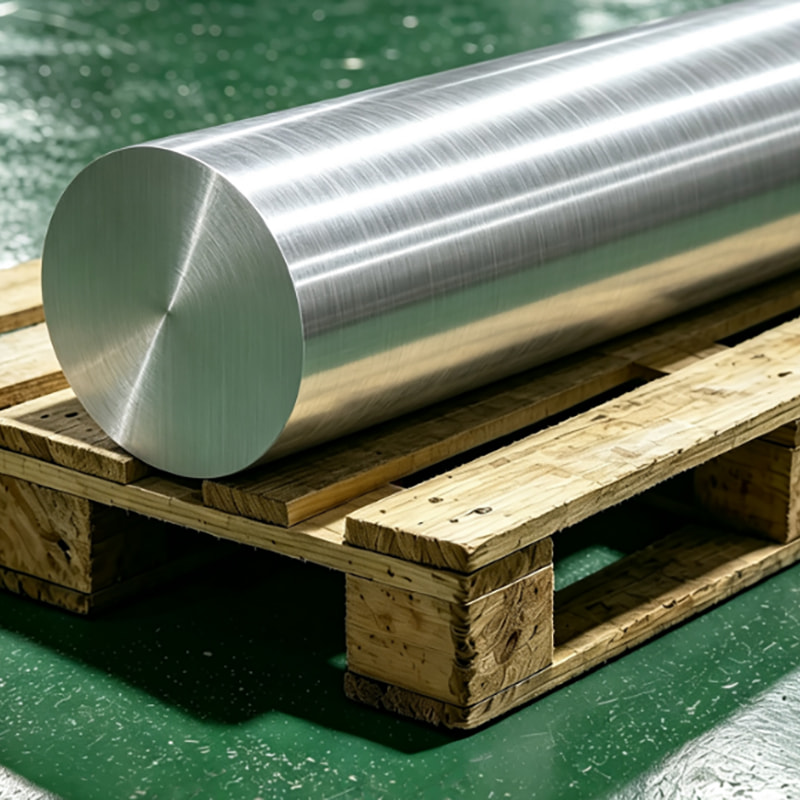 7075 Aluminum-Zinc-Magnesium-Copper Alloy Sheet and RodUltra-high-strength T651 stress-relieved alloy for precision tooling and lightweight structural parts, available with custom cutting and material certificates.View Product →
How to Use a Temper Chart When You Specify Material
A temper chart is a starting point, not a complete specification. The practical sequence is usually straightforward:
- Define the duty: strength, formability, corrosion resistance, weight, finish, and machining risk.
- Match the alloy series to that duty before choosing a temper.
- Read the temper for processing history and likely behavior, not just a strength number.
- Check availability in the thickness, width, and quantity you actually need.
- Confirm mechanical properties, tolerances, and test certificates with the supplier.
This order prevents a common mistake: choosing T6 because it sounds strong, then discovering that the part needs a tight bend or a lot of material removal. Strength is only one column in the decision.
Where the Chart Stops and the Mill Conversation Begins
The chart will not tell you flatness, residual stress, bend radius, weldability, anodizing response, or machining distortion. Those details depend on thickness, width, processing route, and the actual mill practice behind the certificate. For machined parts, T651 or another stress-relieved condition can matter more than a single strength value. For formed sheet, H32 may bend more predictably than a harder temper even when both meet the same alloy chemistry.
That is why our production and processing overview matters as much as the chart itself. You can review our production and processing capabilities to see how material selection, extrusion, and machining are connected in real orders.
We also ask for the end use before recommending a temper. A bracket, a heat sink, a semiconductor component, and an aerospace fixture may all use aluminum, but they do not need the same condition.
A Simple Checklist for Reading Any Aluminum Temper Chart
Before you copy a temper code onto a purchase order, run through this checklist:
- Confirm the alloy series and the standard designation being used.
- Confirm the full temper code, including any extra digits after T or H.
- Check whether the mechanical properties are guaranteed or only typical.
- Ask about formability and minimum bend radius if the part will be formed.
- Ask about stress relief if the part will be machined.
- Confirm surface finish, anodizing response, and any appearance requirements.
- Confirm thickness, width, tolerance, and traceability documents.
Aluminum temper charts are not glamorous, but they prevent expensive guesses. After more than a decade in aluminum trading, extrusion, and CNC machining, we still treat the chart as a conversation starter rather than a final answer. If you are weighing two tempers for the same part, the useful question is not only “which one is stronger?” but “which one will form, machine, finish, and perform the way this product needs?” That is the conversation we are always glad to have.